


Symptoms, treatments, and recommendations for treating sooty mold
Bold Or Sooty Mold
Fungal Complex
Pathogen:
Type:
Fungus
Risk:
MILD

Naranjo
Fumagina o negrilla


WHO CAUSES IT?
The sooty mold pathogen is a saprophytic fungus that develops on the sugary secretions produced by some insects, such as the cottony mealybug, on plants and trees. Although sooty mold itself does not cause direct damage to plants, it can cover large areas of the leaf surface, affecting the ability of photosynthesis and making it difficult for plants to breathe.

SYMPTOMS
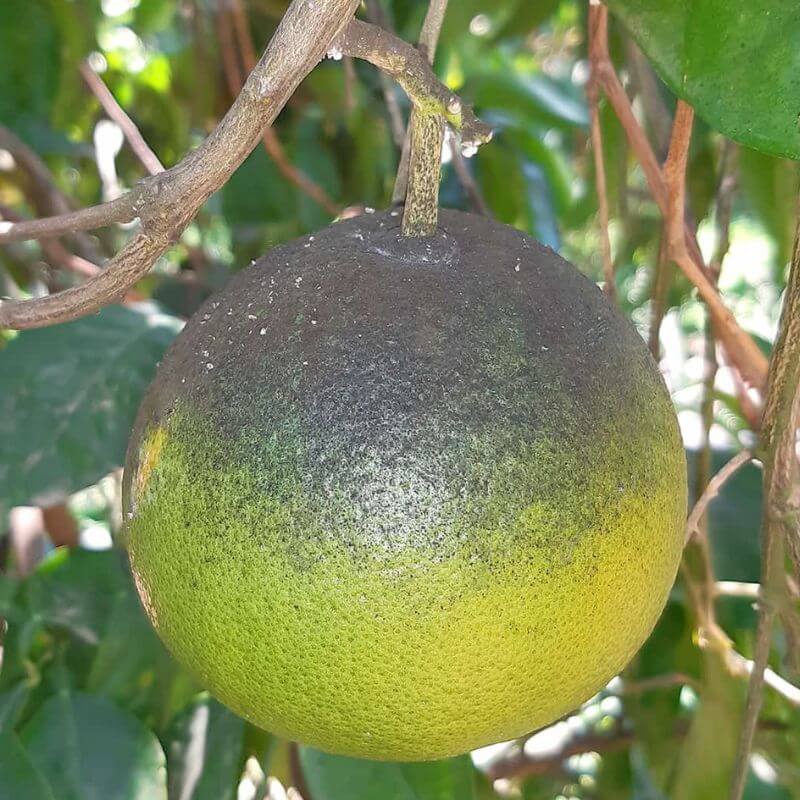
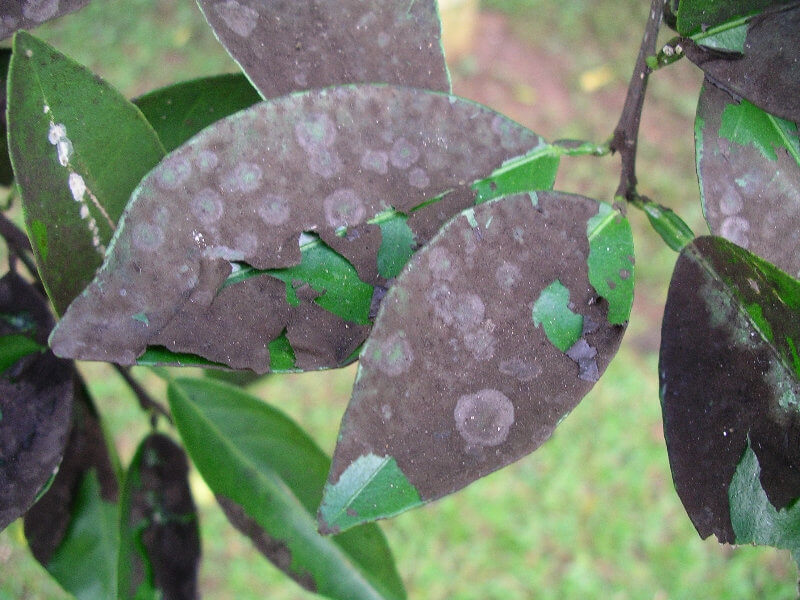
In citrus fruits, the presence of sooty mold can cause a series of problems. Symptoms include the formation of a black, powdery coating on the surface of leaves, stems and fruits, which reduces product quality and makes marketing difficult. Additionally, sooty mold can interfere with photosynthesis by blocking sunlight and causing cosmetic damage to crops.


TEMPERATURE AND HUMIDITY
20°C - 30°C
80% - 95%

TRANSMISSION ROUTES
Direct contact with sugary secretions produced by insects, the movement of insect vectors between plants, and the wind dispersal of fungal spores.
Do you want to remove this disease? Choose how you want to treat it.

TREATMENTS
Chemical treatments
• SULFUR 80% [SC] P/V
• SULFUR 80% [WP] P/P
• COPPER OXYCHLORIDE 35% (exp. in Cu) [WG] P/P
Treatments allowed in organic farming
• SULFUR 80% [SC] P/V
• SULFUR 80% [WP] P/P
• COPPER OXYCHLORIDE 35% (exp. in Cu) [WG] P/P
Biological treatments
-
Recommendations
To prevent and control sooty mold in citrus crops, it is important to maintain good pest management, controlling the population of insects such as the cottony mealybug that excrete the honeydew on which the fungus grows. In addition, regular removal of honeydew with pressurized water and the use of specific fungicides can help reduce the incidence of sooty mold in crops.





*The recommended treatments are recommendations based on the authorities' databases and in no way replace the guidelines established by the legislation of each country.
*Products shown are recommendations and not our own products. As Amazon Associates, we earn revenue from purchases of recommended products.

TREATMENTS
Homemade remedies
There are no home treatments
Natural allies
Chemical treatments
There are no treatments for this disease. Treatments are directed at the insect vectors that transmit it. See insect treatments.

RECOMMENDATIONS

REPELLENT PLANTS
EFFECTIVE PRODUCTS TO ELIMINATE THIS DISEASE
*The recommended treatments are recommendations based on the authorities' databases and in no way replace the guidelines established by the legislation of each country.
*Products shown are recommendations and not our own products. As Amazon Associates, we earn revenue from purchases of recommended products.



Explore more tools
Services
Contact
Legal
©2023 por ZeriMar Laboratoire. Todos los derechos reservados.