


Symptoms, treatments, and recommendations for treating cutworms or armyworms
Cutworm Or Army Worm
Copitarsia Sp.
Pathogen:
Type:
Insect
Risk:
HIGH
Quinoa
Orugas o gusanos

WHO CAUSES IT?
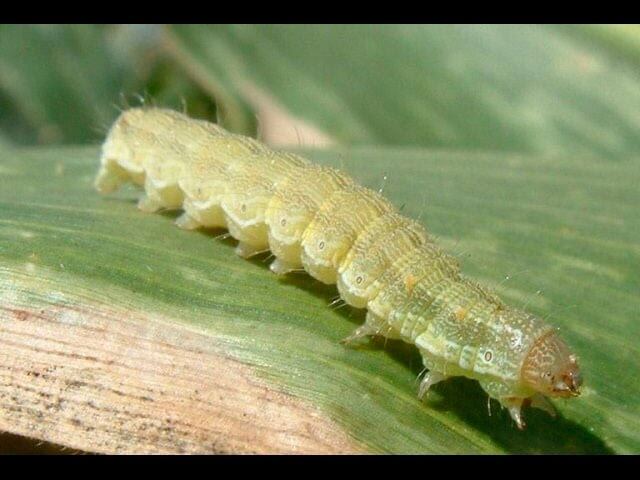
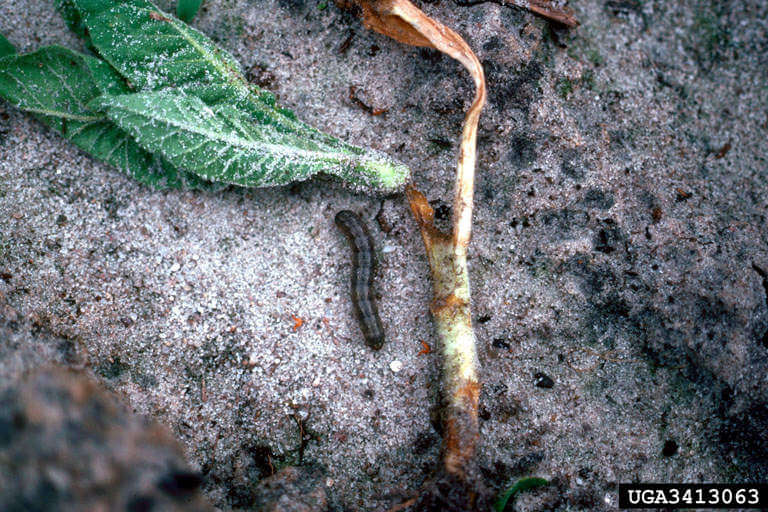
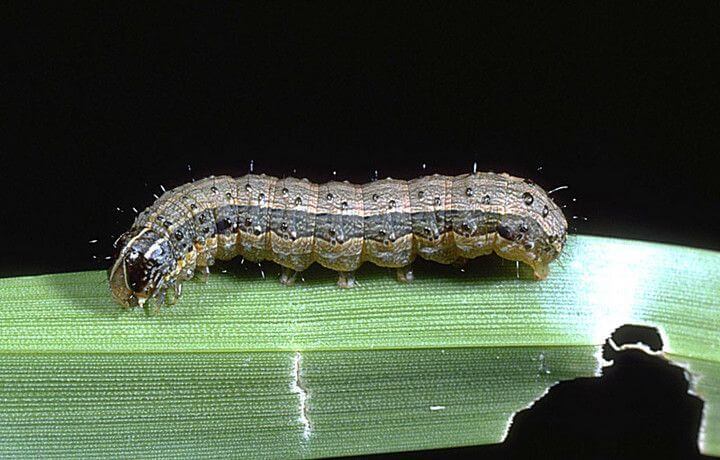
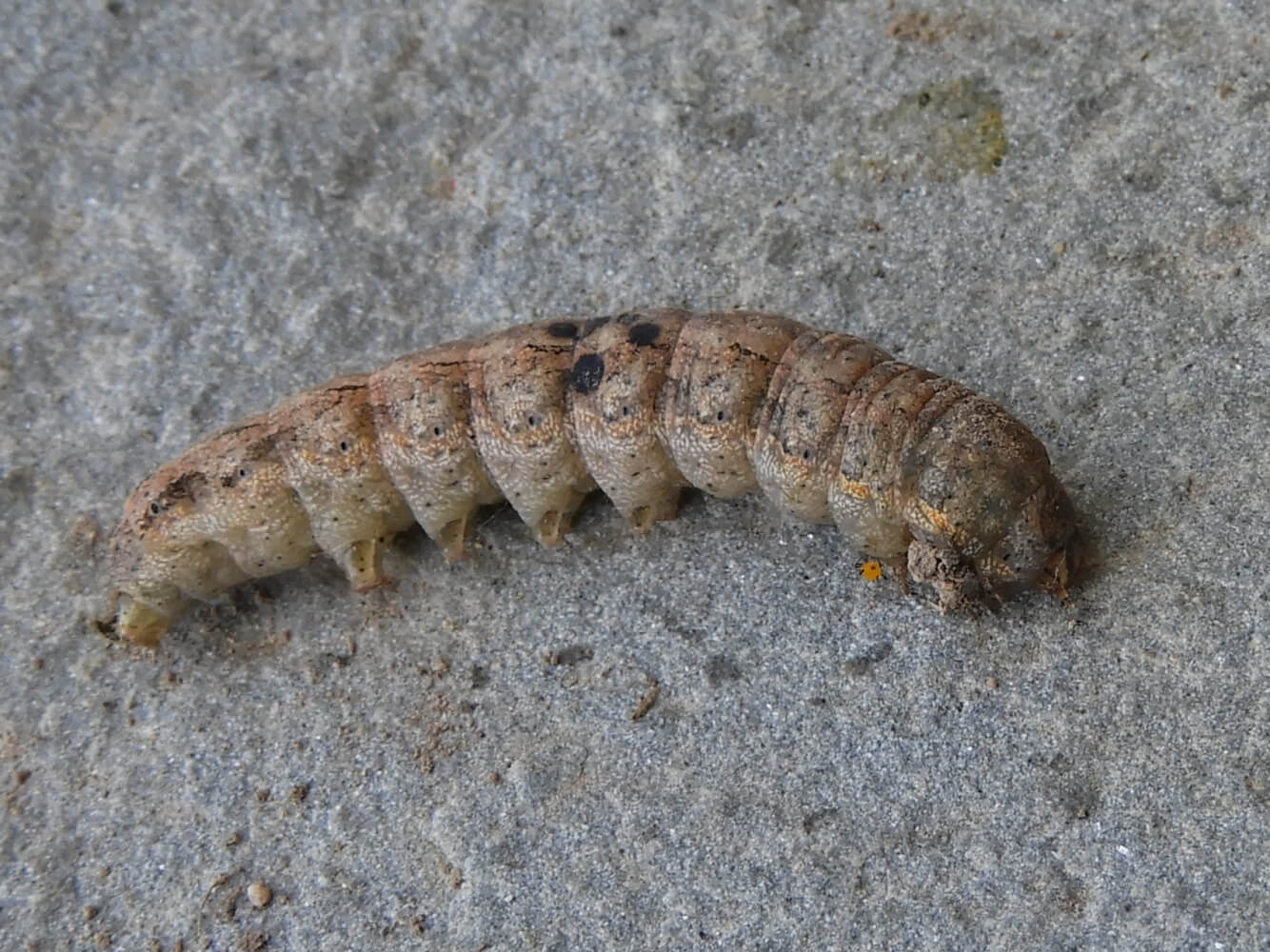
Copitarsia sp. is a genus of noctuid lepidoptera known to include several species of cutworms or armyworms that affect a wide variety of crops. This pathogen begins its cycle when females lay their eggs on the leaves or soil near the host plants. The larvae emerge from the eggs and begin feeding voraciously on the leaves and stems of young plants, causing significant damage. During their development, the larvae go through several larval stages, increasing in size and changing their skin at each stage. Eventually, the mature larvae burrow into the soil to pupate. The pupal phase lasts a few weeks, after which the winged adults emerge, mate and restart the cycle.

SYMPTOMS
The disease known as cutworm or armyworm, caused by Copitarsia sp., negatively impacts quinoa, especially in its early growth phases. The larvae of this insect cut the seedlings at ground level and feed on the leaves, which can lead to the death of young plants and reduce the density of the crop. This damage can also affect the development and performance of surviving plants.
- Seedlings cut at ground level.
- Leaves partially or completely consumed.
- Reduction in crop density.
- Less growth and development of plants.
- Loss of young plants.
- Decrease in crop yield and quality.


TEMPERATURE AND HUMIDITY
15-25°C
70-90%

TRANSMISSION ROUTES
Movement of larvae, Wind, Contaminated tools, Remains of infected plants, Transport of infested plants
Do you want to remove this disease? Choose how you want to treat it.

TREATMENTS
Chemical treatments
• PARAFFIN OIL (CAS [97862-82-3]) 40% [EW] P/V
• SULFUR 40% + CYPERMETHRIN 0.5% [DP] P/P
• CYPERMETHRIN 0.5% [DP] P/P
• CYPERMETHRIN 10% [EC] P/V
• CYPERMETHRIN 10% [EW] P/V
• CYPERMETHRIN 5% [EC] P/V
• CYPERMETHRIN 50% [EC] P/V
• DELTAMETHRIN 1.57% [SC] P/V
• DELTAMETHRIN 10% [EC] P/V
• DELTAMETHRIN 2.5% [EC] P/V
• DELTAMETHRIN 2.5% [EW] P/V
• ESFENVALERATE 2.5% [EC] P/V
• ESFENVALERATE 5% [EC] P/V
• ESFENVALERATO 5% [EW] P/V
• ALUMINUM PHOSPHIDE 56% [GE] P/P
• LAMBDA CYHALOTHRIN (0.0075 g s.a./trap) [RB] P/P
• LAMBDA CYHALOTHRIN 0.0015% [ME] P/V
• LAMBDA CYHALOTHRIN 0.4% [GR] P/P
• LAMBDA CYHALOTHRIN 1.5% [CS] P/V
• LAMBDA CYHALOTHRIN 10% [CS] P/V
• LAMBDA CYHALOTHRIN 10% [EC] P/V
• LAMBDA CYHALOTHRIN 2.5% [WG] P/P
• LAMBDA CYHALOTHRIN 5% [EG] P/P
• PYRETHRINS 0.12% [AE] P/P
• PYRETHRINS 1.9% [EC] P/V
• Pyrethrins 12.9 g/l [EC] P/V
• PYRETHRINS 2% (PYRETHRE EXTR.) [EC] P/V
• PYRETHRINS 2% [EC] P/V
• PYRETHRINS 4% (PYRETHHRINE EXTR.) [EC] P/V
• PYRETHRINS 4% [EC] P/V
• PYRETHRINS 5% [SC] P/V
• PYRIDABEN 10% [SC] P/V
• POTASSIUM SALTS OF FATTY ACIDS C14-C20 48% [EW] P/V
• SPINOSAD 0.024% [CB] P/V
• SPINOSAD 12% [SC] P/V
• SPINOSAD 2.4% [SC] P/V
• SPINOSAD 48% [SC] P/V
• TEFLUTRIN 0.5% [GR] P/P
• DIATOMAEAN EARTH 100% [CP] P/P
Treatments allowed in organic farming
• PARAFFIN OIL (CAS [97862-82-3]) 40% [EW] P/V
• SULFUR 60% + BACILLUS THURINGIENSIS KURSTAKI (STRAIN PB 54) (1x10E6 I.U./G) 0.5% [DP] P/P
• LAMBDA CYHALOTHRIN (0.0075 g s.a./trap) [RB] P/P
• LAMBDA CYHALOTHRIN 0.0015% [ME] P/V
• LAMBDA CYHALOTHRIN 0.4% [GR] P/P
• LAMBDA CYHALOTHRIN 1.5% [CS] P/V
• LAMBDA CYHALOTHRIN 10% [CS] P/V
• LAMBDA CYHALOTHRIN 10% [EC] P/V
• LAMBDA CYHALOTHRIN 2.5% [WG] P/P
• LAMBDA CYHALOTHRIN 5% [EG] P/P
• PYRETHRINS 0.12% [AE] P/P
• PYRETHRINS 1.9% [EC] P/V
• Pyrethrins 12.9 g/l [EC] P/V
• PYRETHRINS 2% (PYRETHRE EXTR.) [EC] P/V
• PYRETHRINS 2% [EC] P/V
• PYRETHRINS 4% (PYRETHHRINE EXTR.) [EC] P/V
• PYRETHRINS 4% [EC] P/V
• PYRETHRINS 5% [SC] P/V
• POTASSIUM SALTS OF FATTY ACIDS C14-C20 48% [EW] P/V
• SPINOSAD 0.024% [CB] P/V
• SPINOSAD 12% [SC] P/V
• SPINOSAD 2.4% [SC] P/V
• SPINOSAD 48% [SC] P/V
• DIATOMAEAN EARTH 100% [CP] P/P
Biological treatments
• BACILLUS THURINGIENSIS AIZAWAI 50% [WG] P/P
• BACILLUS THURINGIENSIS ISRAELENSIS strain AM65-52 (1.2 million IU/g) 12.3% [SC] P/V
• BACILLUS THURINGIENSIS KURSTAKI (ABTS-351 strain) (32 MILLION CLU/g) 54% [WG] P/P
• BACILLUS THURINGIENSIS KURSTAKI (ABTS-351 strain) 54[WG] P/P
• BACILLUS THURINGIENSIS KURSTAKI (STRAIN PB 54) (16x10E6 I.U./G) 8% [WP] P/P
• BACILLUS THURINGIENSIS KURSTAKI (STRAIN PB 54) (16x10E6 IU/G) 9.74% [SC] P/V
• BACILLUS THURINGIENSIS KURSTAKI (Strain SA-11) 85% (32 MILLION IU/G) [WG] P/P
• BACILLUS THURINGIENSIS KURSTAKI (SA-12 strain) 18% ((8.5 X 10^12 CFU/KG)) [WG] P/P
• BACILLUS THURINGIENSIS KURSTAKI (EG 2348) (24x106 I.U./G) 18.3% [SC] P/V
• BACILLUS THURINGIENSIS KURSTAKI (EG 2348) 37.5% [WP] P/P
• BEAUVERIA BASSIANA (strain 147) 5 x 10E8 CFU/g [MG] P/P
• BEAUVERIA BASSIANA (STRAIN ATCC 74040) 2.3% (2.3X10E7 VIABLE SPORES/ML) [OD] P/V
• BEAUVERIA BASSIANA (GHA STRAIN) 22% (4.4 x 10E10 CONIDIAS/G) [WP] P/P
• ISARIA FUMOSOROSEA (Apopka 97 strain) 20% [WG] P/P
• PAECILOMYCES FUMOSOROSEUS (STRAIN FE 9901) 18% (2 X 10 E9 CFU/G) [WP] P/P
• Spodoptera littoralis nucleopolyhedrovirus (SpliNPV) (isolate BV-0005) 5 x 10E11 OBs/L [SC] P/V
• SPODOPTERA EXIGUA NUCLEAR POLYEDROSIS VIRUS (BV-0004) 50% (3.75 X 10E12 OB/L) [SC] P/V
Recommendations
- Regularly monitor crops to detect the presence of eggs and larvae in their early stages.
- Implement crop rotation to reduce the continued presence of the pathogen in the area.
- Use physical barriers such as cardboard collars around seedlings to prevent cutting by larvae.
- Apply biological treatments, such as Bacillus thuringiensis, specific for lepidopteran larvae and less harmful to the environment.
- Promote biodiversity in cultivation to favor the presence of natural enemies, such as birds and parasitoids.
- Maintain good field hygiene, removing and destroying the remains of affected plants and crop residues.
- Avoid excessive and indiscriminate use of chemical insecticides to prevent the development of resistance.





*The recommended treatments are recommendations based on the authorities' databases and in no way replace the guidelines established by the legislation of each country.
*Products shown are recommendations and not our own products. As Amazon Associates, we earn revenue from purchases of recommended products.

TREATMENTS
Homemade remedies
There are no home treatments
Natural allies
Chemical treatments
There are no treatments for this disease. Treatments are directed at the insect vectors that transmit it. See insect treatments.

RECOMMENDATIONS

REPELLENT PLANTS
EFFECTIVE PRODUCTS TO ELIMINATE THIS DISEASE
*The recommended treatments are recommendations based on the authorities' databases and in no way replace the guidelines established by the legislation of each country.
*Products shown are recommendations and not our own products. As Amazon Associates, we earn revenue from purchases of recommended products.



Explore more tools
Services
Contact
Legal
©2023 por ZeriMar Laboratoire. Todos los derechos reservados.