


Symptoms, treatments and recommendations for treating mildew
Mildew
Plasmapora Nivea
Pathogen:
Type:
Oomycete
Risk:
HIGH
Apio
Mildiu

WHO CAUSES IT?
Plasmopara nivea is an oomycete fungus that causes downy mildew on various plants, including celery. This pathogen develops from spores that can survive in the soil and in infected plant remains during adverse periods. The spores germinate in the presence of free water and penetrate the celery leaves through the stomata. Once inside the plant, the fungus branches into a mycelium that extends along the leaf tissue. Under favorable conditions of high humidity and moderate temperatures, the fungus produces sporangia on the surface of leaves, which release zoospores that can be dispersed by wind and water, initiating new infections. The ability of Plasmopara nivea to produce multiple cycles of sporulation and dispersal in a single season increases its potential to cause severe damage to crops.

SYMPTOMS
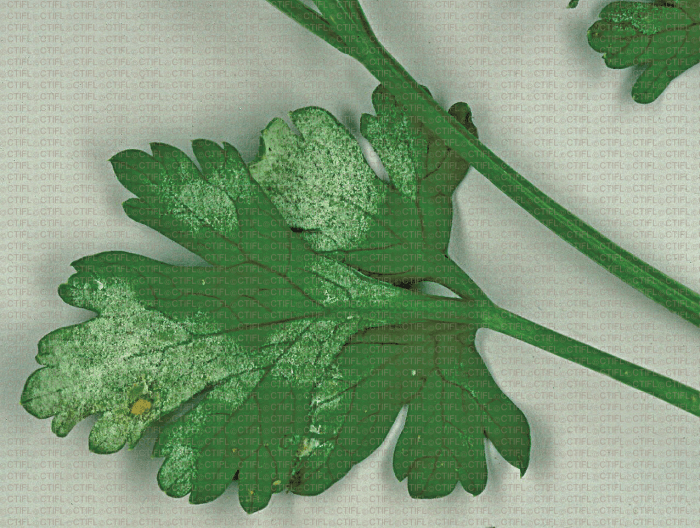
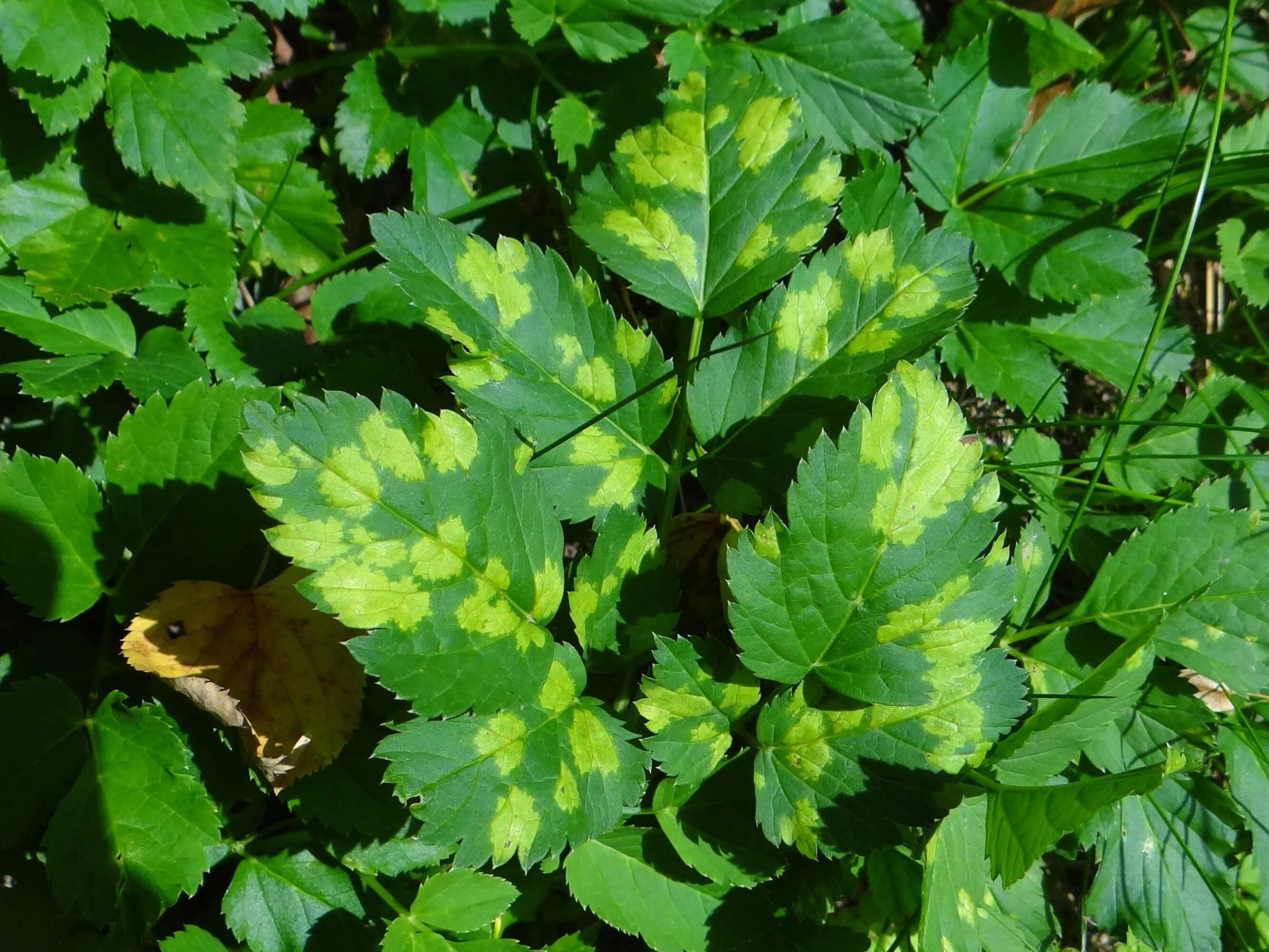
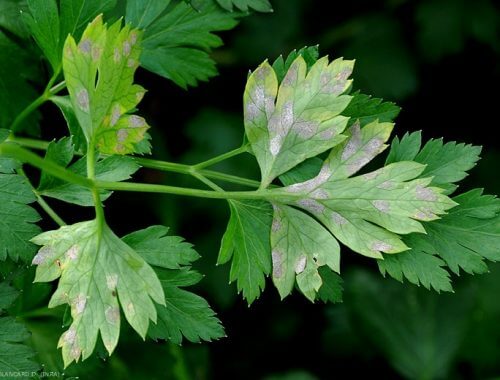
In celery, Plasmopara nivea causes downy mildew, a disease that primarily affects the leaves, and can significantly reduce crop quality and yield. Early symptoms include chlorotic Taches on the tops of leaves that become necrotic over time. On the underside of the leaves, a white to grayish hairy growth develops, characteristic of this disease.
- Chlorotic Taches on the upper part of the leaves
- Progressive necrosis of the Taches
- White to grayish downy growth on the undersides of leaves
- Defoliation in severe cases
- Reduction in crop quality and yield


TEMPERATURE AND HUMIDITY
15-25°C
85-100%

TRANSMISSION ROUTES
Aerial spores, irrigation water, infected plant remains, contaminated tools
Do you want to remove this disease? Choose how you want to treat it.

TREATMENTS
Chemical treatments
• ORANGE OIL 6% [SL] P/V
• ORANGE OIL 60g/L [ME] P/S
• AZOXISTROBIN 20% + DIFENOCONAZOLE 12.5% [SC] P/V
• AZOXISTROBIN 25% [SC] P/V
• POTASSIUM PHOSPHONATES 51% (Exp. as phosphorous acid) [SL] P/V
• LAMINARIN 4.5% [SL] P/S
• COPPER OXYCHLORIDE 30% (EXPR. IN CU) [WP] P/P
• PIRACLOSTROBIN 6.7% + BOSCALIDE 26.7% (I) [WG] P/P
• CUPROCALCIC SULFATE 20% (EXPR. IN CU) [WG] P/P
Treatments allowed in organic farming
• ORANGE OIL 6% [SL] P/V
• ORANGE OIL 60g/L [ME] P/S
• LAMINARIN 4.5% [SL] P/S
• COPPER OXYCHLORIDE 30% (EXPR. IN CU) [WP] P/P
• CUPROCALCIC SULFATE 20% (EXPR. IN CU) [WG] P/P
Biological treatments
• BACILLUS SUBTILIS (strain IAB/BS03) (1 x 10E8 cfu/ml) 10 g/l [SL] P/V
• TRICHODERMA ASPERELLUM (STRAIN ICC012) 2% + TRICHODERMA GAMSII (STRAIN ICC080) 2% (3 X 10E7 CFU/G (SUM OF BOTH MICROORGANISMS)) [WP] P/P
Recommendations
- Use resistant varieties of celery when available to reduce the incidence of the disease.
- Implement a crop rotation of at least two to three years with plants not susceptible to Plasmopara nivea.
- Avoid sprinkler irrigation and prefer drip irrigation systems to minimize humidity on the foliage.
- Ensure good soil drainage and avoid the accumulation of water around the plants.
- Maintain adequate planting density to improve air circulation and reduce relative humidity in the crop canopy.
- Apply preventive and curative fungicides following local recommendations and an integrated disease management program.
- Remove and destroy remains of infected plants to reduce the source of inoculum.
- Regularly monitor the crop to detect symptoms early and apply timely treatments.
- Perform soil analysis and adjust fertilization to maintain healthy plants and improve their resistance to diseases.





*The recommended treatments are recommendations based on the authorities' databases and in no way replace the guidelines established by the legislation of each country.
*Products shown are recommendations and not our own products. As Amazon Associates, we earn revenue from purchases of recommended products.

TREATMENTS
Homemade remedies
There are no home treatments
Natural allies
Chemical treatments
There are no treatments for this disease. Treatments are directed at the insect vectors that transmit it. See insect treatments.

RECOMMENDATIONS

REPELLENT PLANTS
EFFECTIVE PRODUCTS TO ELIMINATE THIS DISEASE
*The recommended treatments are recommendations based on the authorities' databases and in no way replace the guidelines established by the legislation of each country.
*Products shown are recommendations and not our own products. As Amazon Associates, we earn revenue from purchases of recommended products.



Explore more tools
Services
Contact
Legal
©2023 por ZeriMar Laboratoire. Todos los derechos reservados.