


Symptoms, treatments and recommendations for treating leaf miners
Miners
Liriomyza Sp.
Pathogen:
Type:
Insect
Risk:
HIGH
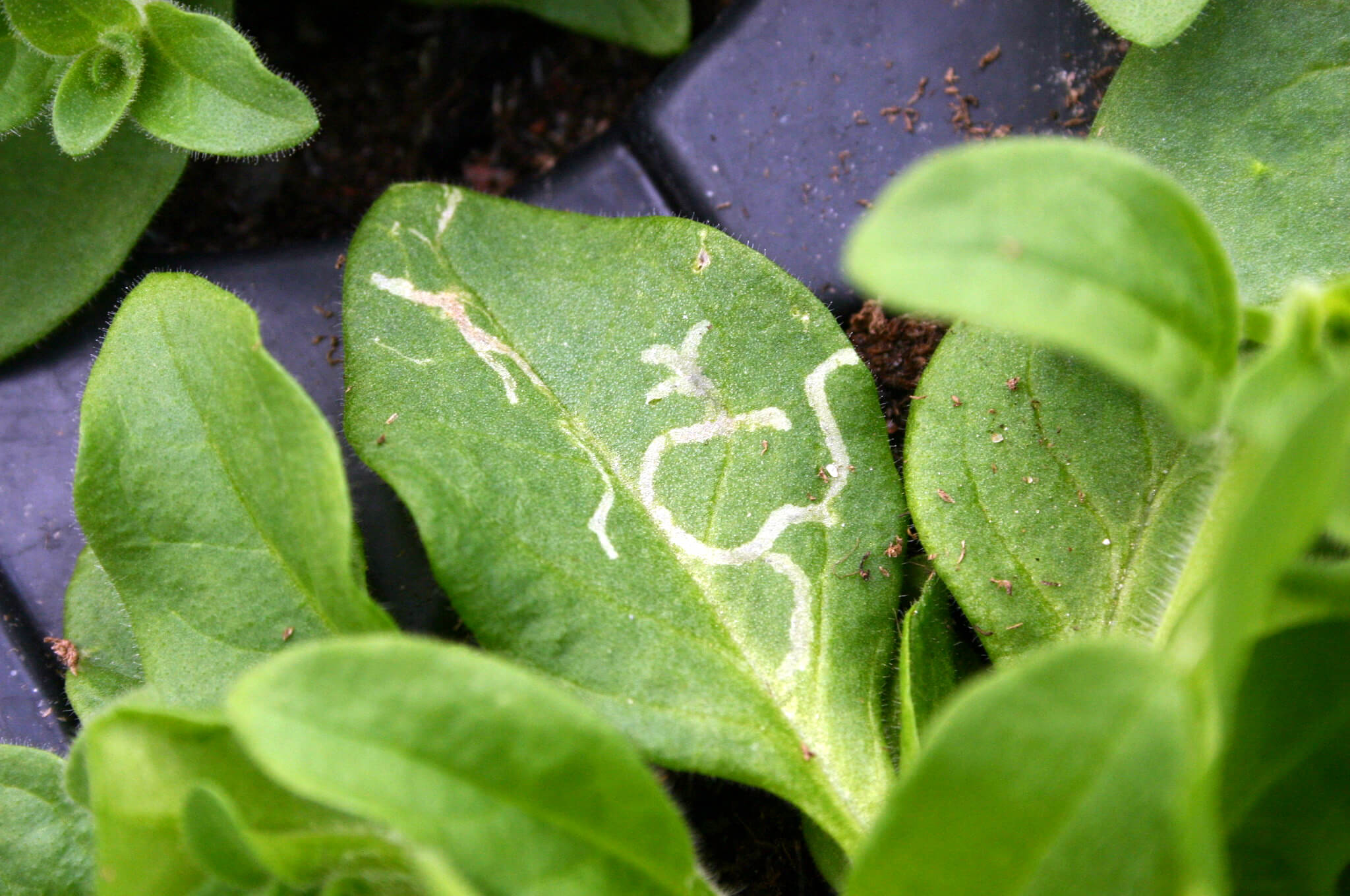
Quinoa
Minadores

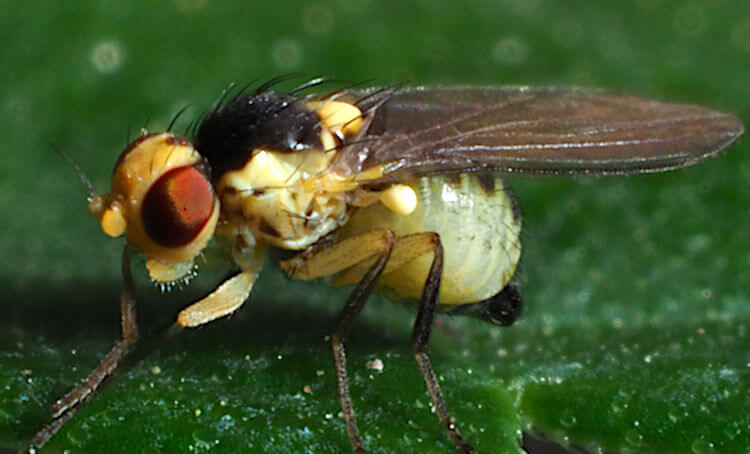
WHO CAUSES IT?
Liriomyza sp. is a genus of small leafmining flies that includes various species harmful to numerous crops, including quinoa. These flies go through several stages of development, beginning with the laying of eggs in leaf tissue by adult females. The larvae emerge from the eggs and feed on the mesophyll of the leaves, creating visible galleries or mines on the leaf surface. After completing their larval development, the larvae fall to the ground to pupate. The pupal phase can last from several days to a few weeks, depending on environmental conditions. Finally, the adults emerge from the ground, thus completing the cycle. These adults mate and restart the infestation process on new host plants.

SYMPTOMS
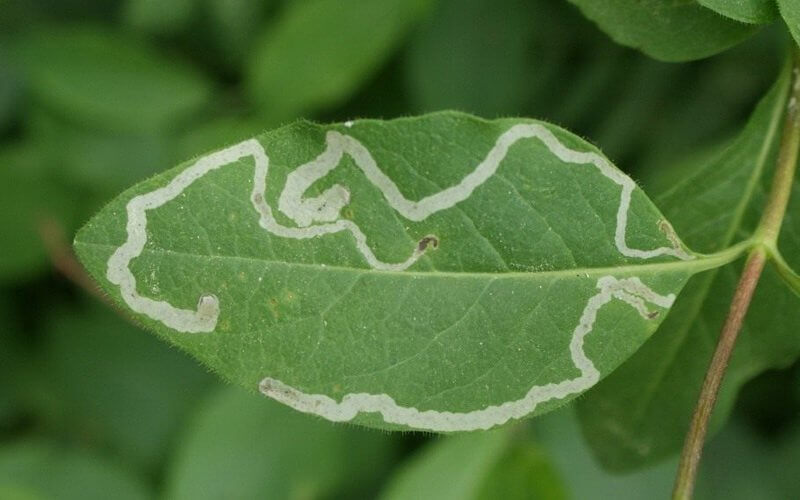
Leafminers, caused by Liriomyza sp., affect quinoa, causing direct and indirect damage that compromises the health of the plant and its productive capacity. The galleries formed by the larvae in the leaves interfere with photosynthesis and gas exchange, weakening the plant and reducing its growth. In addition, the wounds produced can serve as entry points for other diseases.
- Sinuous galleries visible on the leaves.
- Discolored and dry leaves.
- Reduction of photosynthetic capacity.
- Slowed plant growth.
- Defoliation in severe cases.
- Entry points for secondary infections.


TEMPERATURE AND HUMIDITY
20-30°C
60-80%

TRANSMISSION ROUTES
Adult movement, Wind, Contaminated tools, Infested plants, Infested soil
Do you want to remove this disease? Choose how you want to treat it.

TREATMENTS
Chemical treatments
• AZADIRACTIN 1% (AS AZADIRACTIN A) [EC] P/V
• Azadirachtin 2.6% (AS AZADIRACTIN A) [EC] P/V
• DELTAMETHRIN 2.5% [EC] P/V
• DELTAMETHRIN 2.5% [EW] P/V
• ADHESIVE TRAPS
Treatments allowed in organic farming
• AZADIRACTIN 1% (AS AZADIRACTIN A) [EC] P/V
• Azadirachtin 2.6% (AS AZADIRACTIN A) [EC] P/V
• ADHESIVE TRAPS
Biological treatments
• DACNUSA SIBIRICA (Parasitoid and predatory insects)
• HETERORHABDITIS BACTERIOPHORA (Parasitoid and predatory nematodes)
• STEINERNEMA CARPOCAPSAE (Parasitoid and predatory nematodes)
Recommendations
- Regularly monitor the crop to detect the presence of mines on the leaves.
- Implement crop rotation to reduce pest pressure.
- Use yellow chromatic traps to capture adults and reduce their population.
- Promote the use of biological control through the release of natural enemies such as larval parasitoids.
- Avoid excessive use of insecticides that can eliminate the natural enemies of leafminers.
- Apply specific insecticides at critical stages of the pathogen's life cycle, following technical recommendations.
- Maintain good crop hygiene, eliminating and destroying infested leaves to reduce the population of larvae and pupae.





*The recommended treatments are recommendations based on the authorities' databases and in no way replace the guidelines established by the legislation of each country.
*Products shown are recommendations and not our own products. As Amazon Associates, we earn revenue from purchases of recommended products.

TREATMENTS
Homemade remedies
There are no home treatments
Natural allies
Chemical treatments
There are no treatments for this disease. Treatments are directed at the insect vectors that transmit it. See insect treatments.

RECOMMENDATIONS

REPELLENT PLANTS
EFFECTIVE PRODUCTS TO ELIMINATE THIS DISEASE
*The recommended treatments are recommendations based on the authorities' databases and in no way replace the guidelines established by the legislation of each country.
*Products shown are recommendations and not our own products. As Amazon Associates, we earn revenue from purchases of recommended products.



Explore more tools
Services
Contact
Legal
©2023 por ZeriMar Laboratoire. Todos los derechos reservados.