


Symptoms, treatments, and recommendations for treating cyst nematodes
Cyst Nematode
Globodera Rostochiensis / Globodera Pallida
Pathogen:
Type:
Nematode
Risk:
HIGH
Patata
Nematodos

WHO CAUSES IT?
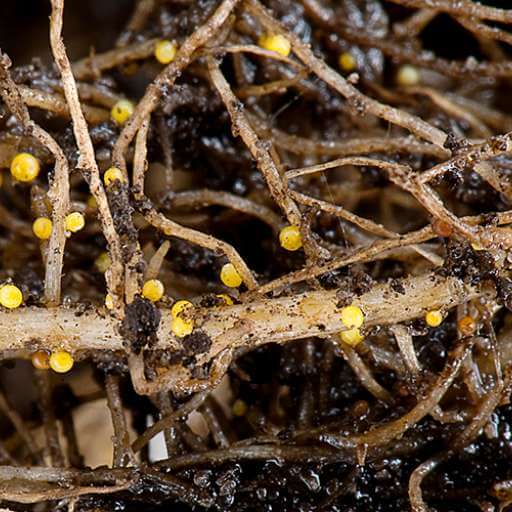
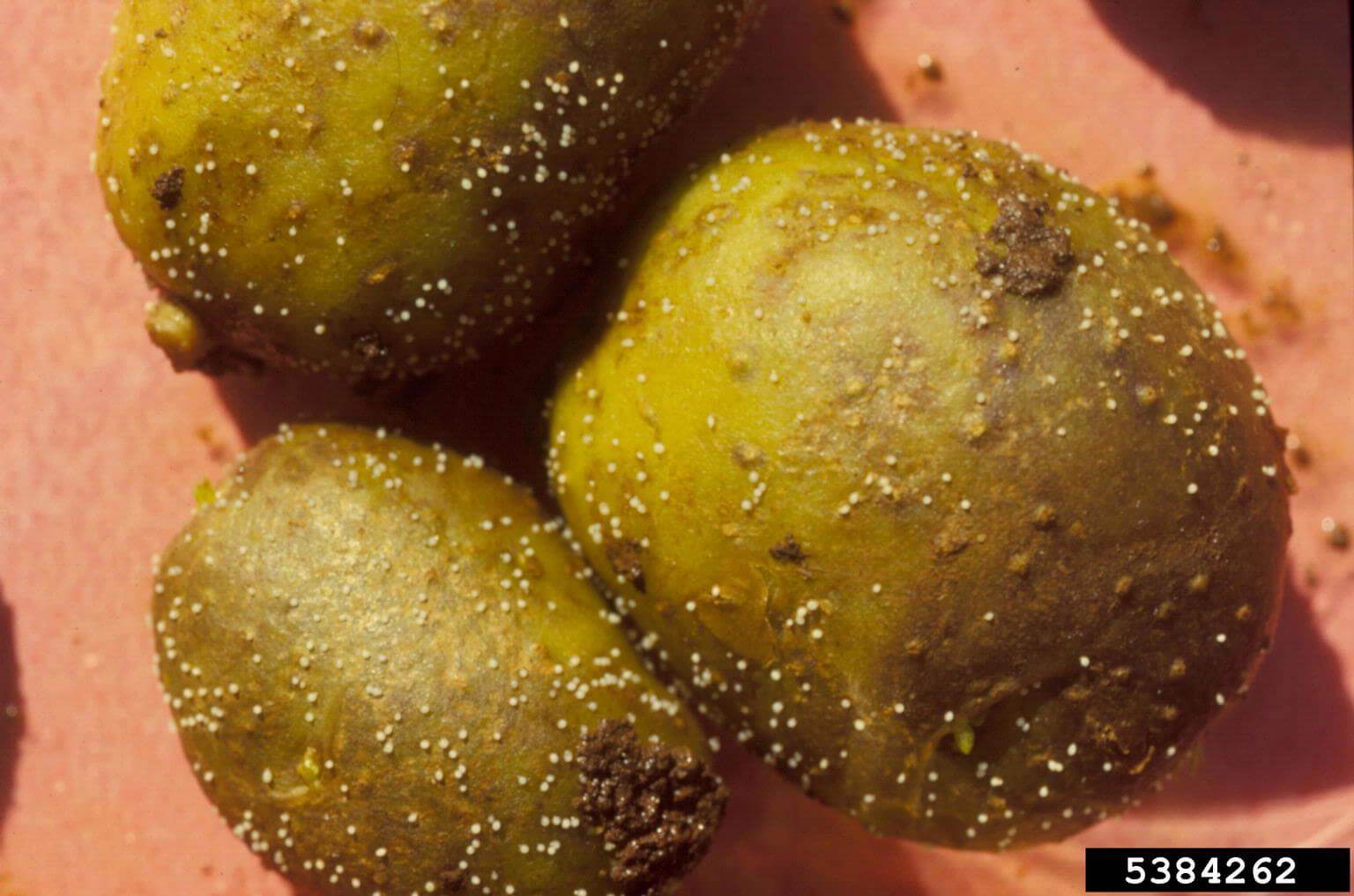
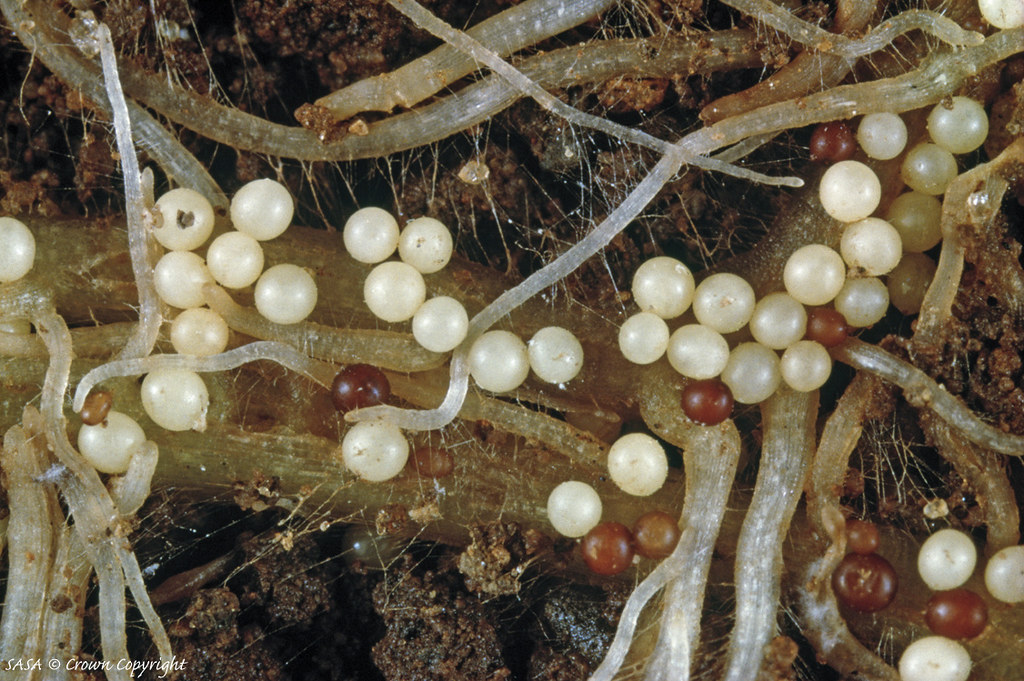
Globodera rostochiensis and Globodera pallida are parasitic nematodes that affect potato plants and other solanaceous crops. These nematodes reproduce quickly, forming cysts on the roots of the potato that can contain thousands of eggs. The larvae hatch from the cysts and feed on the roots of the potato, causing significant damage to the plant. Nematodes can survive in the soil for many years, even in the absence of their host, making them difficult to control.

SYMPTOMS
The attack of these nematodes on the roots of the potato causes the disease known as potato cyst nematode. Nematodes cause nodule formation and root damage, which affects the plant's ability to absorb water and nutrients. These damages result in limited growth, wilted leaves, and a significant reduction in tuber quality and quantity.
• Formation of nodules on the roots of the potato.
• Yellowed or wilted leaves.
• Decrease in the quality and quantity of tubers.
• Reduction in plant growth and development.


TEMPERATURE AND HUMIDITY
15°C - 25°C
60% - 80%

TRANSMISSION ROUTES
Contaminated soil, infected plant roots, contaminated growing tools.
Do you want to remove this disease? Choose how you want to treat it.

TREATMENTS
Chemical treatments
• AZADIRACTIN 1% (AS AZADIRACTIN A) [EC] P/V
• Azadirachtin 2.6% (AS AZADIRACTIN A) [EC] P/V
• 100% GARLIC EXTRACT [SC] P/V
• Garlic extract 45% [GR] P/P
• FLUOPYRAM 40% [SC] P/V
• FLUOPYRAM 50% [SC] P/V
• PHOSTIAZATE 10% [GR] P/P
• METAM POTASSIUM 57.3% [SL] P/V
• METAM SODIUM 40% [SL] P/S
• METAM SODIUM 51% [SL] P/S
Treatments allowed in organic farming
• AZADIRACTIN 1% (AS AZADIRACTIN A) [EC] P/V
• Azadirachtin 2.6% (AS AZADIRACTIN A) [EC] P/V
• 100% GARLIC EXTRACT [SC] P/V
• Garlic extract 45% [GR] P/P
Biological treatments
• BACILLUS FIRMUS I-1582 5% [WP] P/P
• PURPUREOCILLIUM LILACINUM (CEPA 251) 21.6% [DC] P/V
• PURPUREOCILLIUM LILACINUM (CEPA 251) 21.6% [DC] P/V
• STEINERNEMA CARPOCAPSAE (Parasitoid and predatory nematodes)
• STEINERNEMA FELTIAE (Parasitoid and predatory nematodes)
Recommendations
• Use potato varieties resistant to nematodes.
• Practice crop rotation with non-host plants to interrupt the life cycle of nematodes.
• Apply specific nematicidal treatments according to expert instructions.
• Improve overall plant health with proper fertilization and controlled irrigation.
• Disinfect culture tools to prevent the spread of cysts.
• Carry out soil analysis regularly to detect the presence of nematodes.





*The recommended treatments are recommendations based on the authorities' databases and in no way replace the guidelines established by the legislation of each country.
*Products shown are recommendations and not our own products. As Amazon Associates, we earn revenue from purchases of recommended products.

TREATMENTS
Homemade remedies
There are no home treatments
Natural allies
Chemical treatments
There are no treatments for this disease. Treatments are directed at the insect vectors that transmit it. See insect treatments.

RECOMMENDATIONS

REPELLENT PLANTS
EFFECTIVE PRODUCTS TO ELIMINATE THIS DISEASE
*The recommended treatments are recommendations based on the authorities' databases and in no way replace the guidelines established by the legislation of each country.
*Products shown are recommendations and not our own products. As Amazon Associates, we earn revenue from purchases of recommended products.



Explore more tools
Services
Contact
Legal
©2023 por ZeriMar Laboratoire. Todos los derechos reservados.