


Symptoms, treatments and recommendations for treating powdery mildew
Powdery Mildew
Leveillula Taurica
Pathogen:
Type:
Fungus
Risk:
INTERMEDIATE

Pimiento
Oídio


WHO CAUSES IT?
Powdery mildew, also known as white mildew, is a fungal disease that affects a wide variety of plants, including cucurbits. This pathogen, belonging to the genus Podosphaera spp., can cause significant damage to crops if not properly controlled.

SYMPTOMS
In cucurbits, powdery mildew produces a series of characteristic symptoms. These include the development of a white or grayish powder on the tops of the leaves, stems and fruits of infected plants. In addition, deformations can be observed in the leaves, such as curling or curling, as well as growth arrest and a decrease in fruit production.


TEMPERATURE AND HUMIDITY
20°C - 25°C
40% - 70%

TRANSMISSION ROUTES
Direct contact with infected plants, dispersal of spores through the air, and spread through contaminated growing tools.
Do you want to remove this disease? Choose how you want to treat it.

TREATMENTS
Chemical treatments
• AZOXISTROBIN 20% + DIFENOCONAZOLE 12.5% [SC] P/V
• AZOXISTROBIN 25% [SC] P/V
• SULFUR 80% [DP] P/P
• SULFUR 80% [SC] P/V
• SULFUR 80% [WG] P/P
• SULFUR 80% [WP] P/P
• SULFUR 98.5% [DP] P/P
• BUPIRIMATE 25% [EC] P/V
• CIFLUFENAMID 10% [SC] P/V
• COS-OGA 1.25% [SL] P/V
• DIFENOCONAZOLE 12.5% + CYFLUFENAMIDE 1.5% [DC] P/V
• DIFENOCONAZOLE 25% [EC] P/V
• EUGENOL 3.3% + GERANIOL 6.6% + THYMOL 6.6% [CS] P/V
• FLUOPYRAM 40% [SC] P/V
• FLUXAPYROXAD 7.5% + DIFENOCONAZOLE 5% [SC] P/V
• POTASSIUM HYDROGEN CARBONATE 0.425% [AL] P/V
• POTASSIUM HYDROGEN CARBONATE 85% [SP] P/P
• KRESOXIM-METHYL 50% [WG] P/P
• LAMINARIN 4.5% [SL] P/S
• Penconazole 10% [EC] P/V
• PENCONAZOLE 20% [EW] P/V
• PIRACLOSTROBIN 6.7% + BOSCALIDE 26.7% (I) [WG] P/P
• TEBUCONAZOLE 25% [WG] P/P
• TRIFLOXISTROBIN 50% [WG] P/P
Treatments allowed in organic farming
• SULFUR 80% [DP] P/P
• SULFUR 80% [SC] P/V
• SULFUR 80% [WG] P/P
• SULFUR 80% [WP] P/P
• SULFUR 98.5% [DP] P/P
• COS-OGA 1.25% [SL] P/V
• EUGENOL 3.3% + GERANIOL 6.6% + THYMOL 6.6% [CS] P/V
• POTASSIUM HYDROGEN CARBONATE 0.425% [AL] P/V
• POTASSIUM HYDROGEN CARBONATE 85% [SP] P/P
• LAMINARIN 4.5% [SL] P/S
Biological treatments
• AMPELOMICES QUISQUALIS 58% [WG] P/P
• BACILLUS AMYLOLIQUEFACIENS (strain FZB24) 13% [WP] P/P
• Bacillus pumilus strain QST 2808 (1x10E9 CFU/g) 14.35g/L [SC] P/V
Recommendations
To prevent and control powdery mildew in cucurbit crops, it is important to implement integrated pest management practices. This includes regular pruning of plants to improve air circulation, weed control and removal of infected crop debris. In addition, preventive fungicides can be applied at critical moments in the crop cycle.

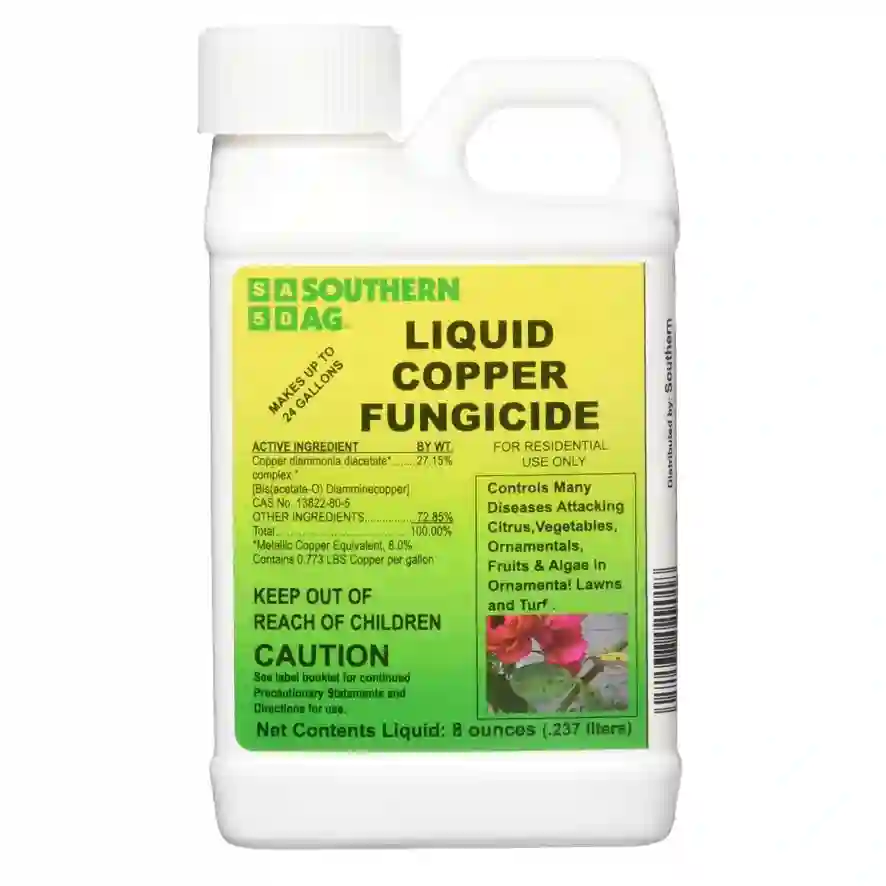


*The recommended treatments are recommendations based on the authorities' databases and in no way replace the guidelines established by the legislation of each country.
*Products shown are recommendations and not our own products. As Amazon Associates, we earn revenue from purchases of recommended products.

TREATMENTS
Homemade remedies
There are no home treatments
Natural allies
Chemical treatments
There are no treatments for this disease. Treatments are directed at the insect vectors that transmit it. See insect treatments.

RECOMMENDATIONS

REPELLENT PLANTS
EFFECTIVE PRODUCTS TO ELIMINATE THIS DISEASE
*The recommended treatments are recommendations based on the authorities' databases and in no way replace the guidelines established by the legislation of each country.
*Products shown are recommendations and not our own products. As Amazon Associates, we earn revenue from purchases of recommended products.



Explore more tools
Services
Contact
Legal
©2023 por ZeriMar Laboratoire. Todos los derechos reservados.