


Symptoms, treatments, and recommendations for treating neck rot
Neck Rot
Phytophthora Sp.
Pathogen:
Type:
Oomycete
Risk:
CRITICAL
Cactus
Phytophthora

WHO CAUSES IT?
Phytophthora sp. It is a genus of pathogenic organisms that belong to the group of oomycetes. These organisms have a very complex life phase and are closely related to algae. Phytophthora spores can move through soil and water, infecting vulnerable plants. Under favorable conditions of humidity and temperature, sporangia release zoospores, which are motile spores with flagella that swim toward the roots of the host plant. Once there, the zoospores germinate and penetrate the plant tissues, causing infections. These infections lead to the production of new sporangia, perpetuating the infectious cycle. The ability to form resistant structures, such as oospores, allows Phytophthora to survive in the soil during unfavorable periods, which complicates its control in the agricultural field.

SYMPTOMS
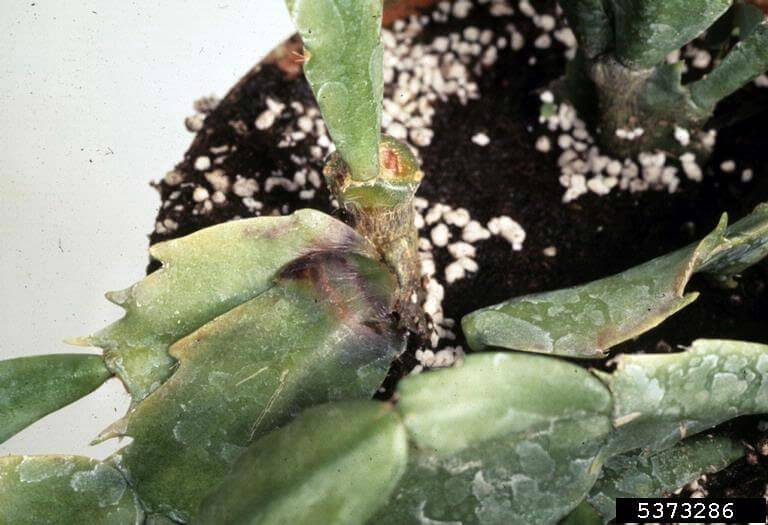
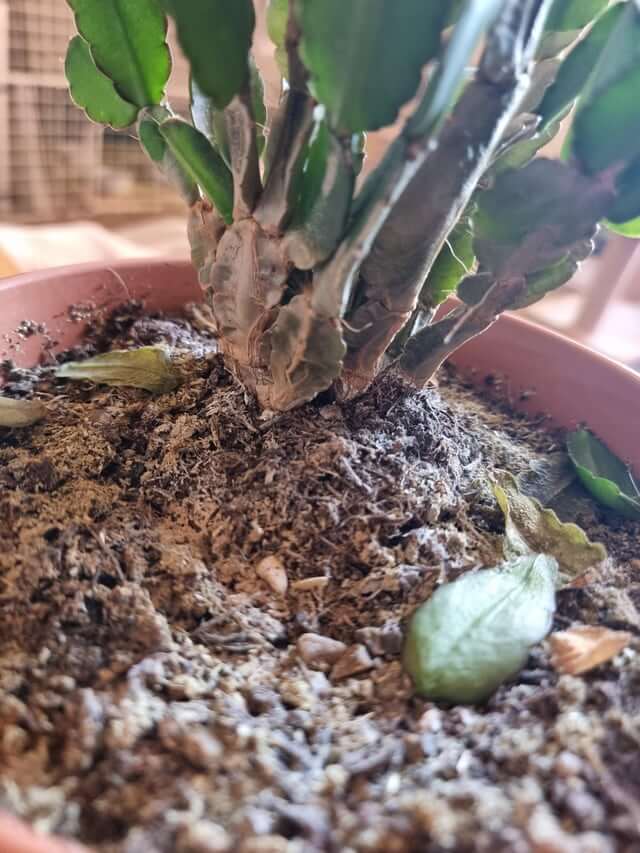
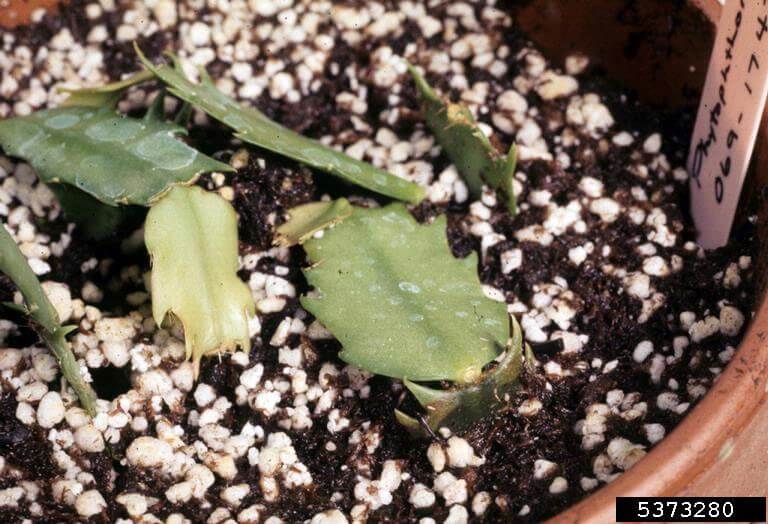
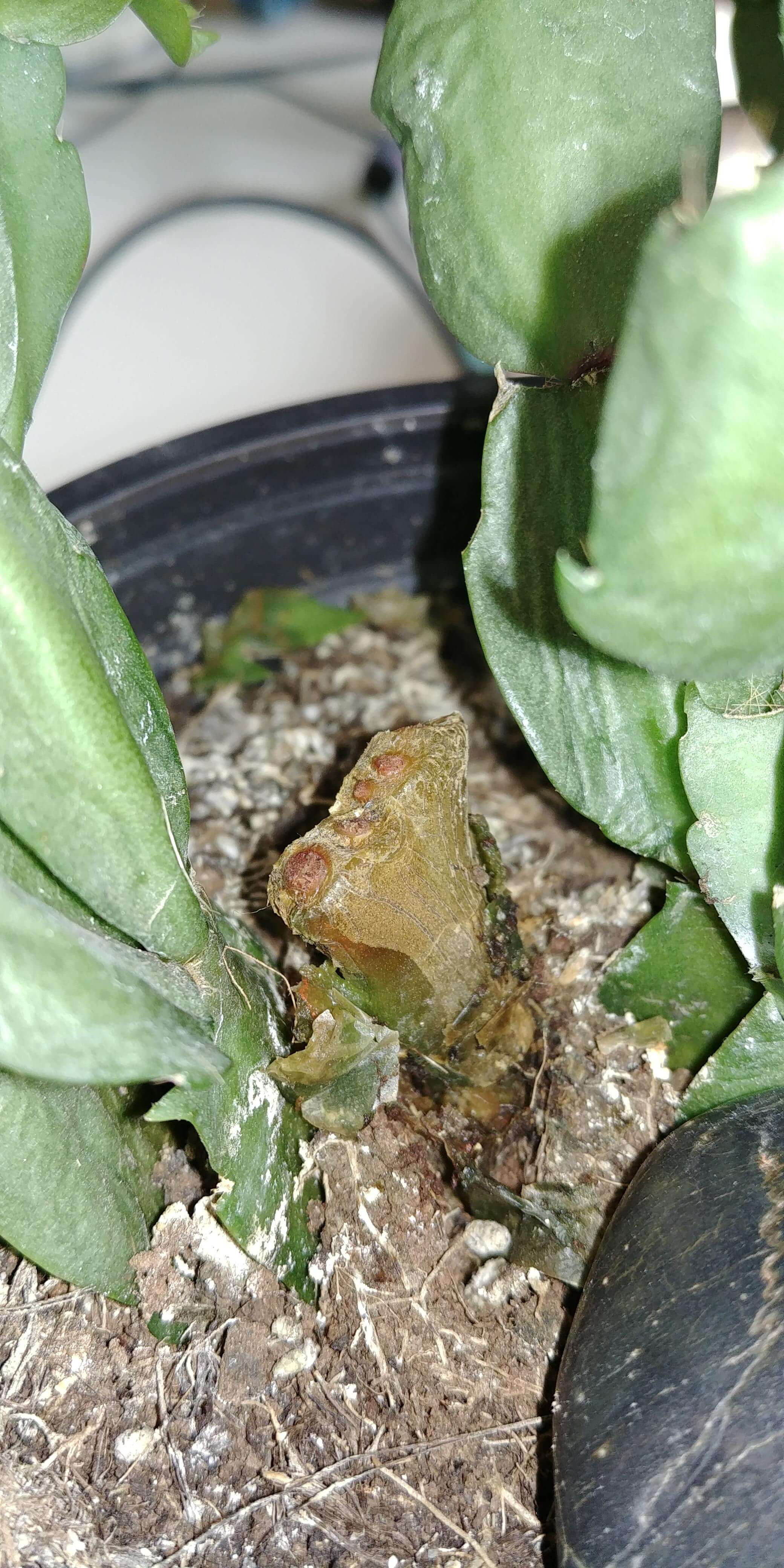
Neck rot, caused by Phytophthora sp., is a serious disease that affects cacti. The symptoms are varied and can progress rapidly, compromising the health of the plant.
- Discoloration and darkening of the base of the cactus.
- Moist and soft lesions in the neck area of the plant.
- Generalized wilting of the plant.
- Death of affected tissues.
- Structural collapse of the cactus in advanced stages.
- Loss of firmness and turgor in the tissues.


TEMPERATURE AND HUMIDITY
20°C - 30°C
70% - 90%

TRANSMISSION ROUTES
Contaminated soil, Irrigation water, Infected plant material, Cultivation tools, Wind
Do you want to remove this disease? Choose how you want to treat it.

TREATMENTS
Chemical treatments
• FOSETIL-AL 80% [WG] P/P
• CUPRIC HYDROXIDE 25% (EXPR. IN CU) [WG] P/P
• CUPRIC HYDROXIDE 50% (EXPR. IN CU) [WP] P/P
• COPPER OXYCHLORIDE 37.5% (EXPR. IN CU) [WG] P/P
• COPPER OXYCHLORIDE 38% (EXPR. IN CU) [SC] P/V
• COPPER OXYCHLORIDE 50% (EXPR. IN CU) [WP] P/P
• CUPROCALCIC SULFATE 20% (EXPR. IN CU) [WP] P/P
• CUPROCALCIC SULFATE 20% (EXPR. IN CU) [WG] P/P
• CUPROCALCIC SULFATE 20% [WP] P/P
• TRIBASIC COPPER SULFATE 19% (EXPR. IN CU) [SC] P/V
Treatments allowed in organic farming
• CUPRIC HYDROXIDE 25% (EXPR. IN CU) [WG] P/P
• CUPRIC HYDROXIDE 50% (EXPR. IN CU) [WP] P/P
• COPPER OXYCHLORIDE 37.5% (EXPR. IN CU) [WG] P/P
• COPPER OXYCHLORIDE 38% (EXPR. IN CU) [SC] P/V
• COPPER OXYCHLORIDE 50% (EXPR. IN CU) [WP] P/P
• CUPROCALCIC SULFATE 20% (EXPR. IN CU) [WP] P/P
• CUPROCALCIC SULFATE 20% (EXPR. IN CU) [WG] P/P
• CUPROCALCIC SULFATE 20% [WP] P/P
• TRIBASIC COPPER SULFATE 19% (EXPR. IN CU) [SC] P/V
Biological treatments
-
Recommendations
- Use well-drained and pathogen-free substrates for growing cacti.
- Avoid excess watering and ensure good drainage to prevent moisture accumulation at the base of the plants.
- Implement crop rotations to reduce the presence of Phytophthora in the soil.
- Disinfect all gardening tools and equipment before use.
- Apply specific and authorized fungicides, following the manufacturer's instructions and local regulations.
- Promote the use of cacti resistant or tolerant to Phytophthora.
- Regularly inspect plants for early symptoms of infection and immediately remove affected plants.
- Improve air circulation around plants to reduce relative humidity.
- Avoid wounds on cacti during cultivation work, as they can be entry points for the pathogen.
- Use biocontrol agents, such as Trichoderma spp., to compete with Phytophthora in the soil.





*The recommended treatments are recommendations based on the authorities' databases and in no way replace the guidelines established by the legislation of each country.
*Products shown are recommendations and not our own products. As Amazon Associates, we earn revenue from purchases of recommended products.

TREATMENTS
Homemade remedies
There are no home treatments
Natural allies
Chemical treatments
There are no treatments for this disease. Treatments are directed at the insect vectors that transmit it. See insect treatments.

RECOMMENDATIONS

REPELLENT PLANTS
EFFECTIVE PRODUCTS TO ELIMINATE THIS DISEASE
*The recommended treatments are recommendations based on the authorities' databases and in no way replace the guidelines established by the legislation of each country.
*Products shown are recommendations and not our own products. As Amazon Associates, we earn revenue from purchases of recommended products.



Explore more tools
Services
Contact
Legal
©2023 por ZeriMar Laboratoire. Todos los derechos reservados.