


Symptoms, treatments, and recommendations for treating gray mold
Gray Rot
Botrytis Cinerea
Pathogen:
Type:
Fungus
Risk:
HIGH

Quinoa
Podredumbre gris


WHO CAUSES IT?
Botrytis cinerea is a ubiquitous pathogenic fungus that affects a wide variety of plants, including quinoa. This fungus produces asexual spores called conidia, which spread through air and water. Conidia germinate in the presence of moisture, invading plant tissues through wounds or natural openings. Within the tissue, the fungus develops mycelium, a network of filaments that degrades plant cells and absorbs nutrients. Under favorable conditions, the mycelium produces new conidia that are released and can initiate new infections. In addition, Botrytis cinerea can form resistance structures called sclerotia, which allow its survival in soil and plant residues during unfavorable periods. These sclerotia can germinate and produce conidia when conditions improve, perpetuating the infectious cycle.

SYMPTOMS
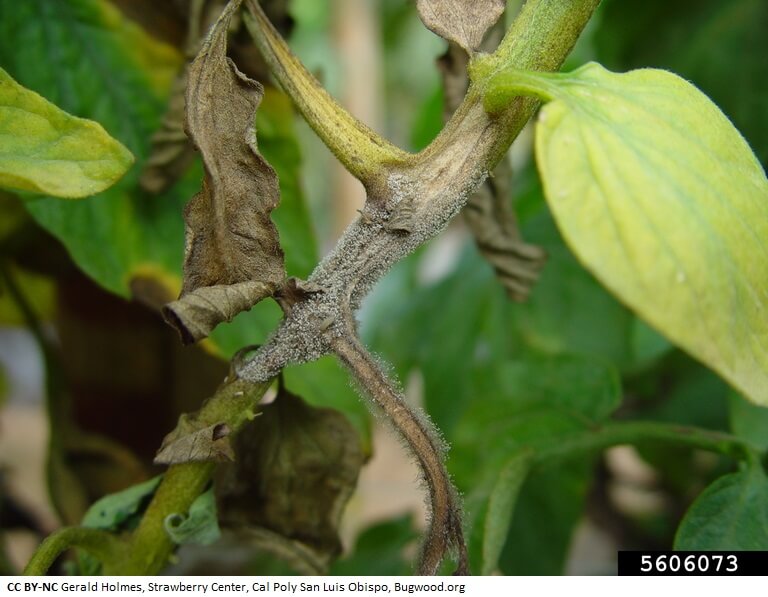
In quinoa, Botrytis cinerea causes the disease known as gray rot, which can have a devastating impact on the health and productivity of the crop. Symptoms begin with the appearance of watery Taches on leaves, stems and flowers, which expand and turn brown. Advanced infection can result in complete decomposition of the affected tissues, covering them with a layer of gray mold.
- Watery Taches on leaves and stems.
- Brown discoloration of infected tissues.
- Presence of gray, spongy mold on the surface of the affected areas.
- Necrosis and decomposition of flowers and seeds.
- Premature defoliation.
- Reduction in the yield and quality of quinoa.
- Fragility and general weakening of the plant.


TEMPERATURE AND HUMIDITY
15-25°C
85-95%

TRANSMISSION ROUTES
Air, Water, Contaminated tools, Contact with infected plants, Plant residues
Do you want to remove this disease? Choose how you want to treat it.

TREATMENTS
Chemical treatments
• AZOXISTROBIN 25% [SC] P/V
• DIFENOCONAZOLE 25% [EC] P/V
• FLUDIOXONIL 2.5% [FS] P/V
• METCONAZOLE 9% [EC] P/V
• TEBUCONAZOLE 20% [EC] P/V
• TEBUCONAZOLE 20% [EW] P/V
• TEBUCONAZOLE 25% [EC] P/V
• TEBUCONAZOLE 25% [EW] P/V
• TEBUCONAZOLE 25% [WG] P/P
Treatments allowed in organic farming
-
Biological treatments
• BACILLUS AMYLOLIQUEFACIENS subsp. plantarum (strain D747) 5% [SC] P/V
• PYTHIUM OLIGANDRUM (strain M1) 17.5% [WP] P/P
Recommendations
- Use certified pathogen-free seeds and select resistant varieties.
- Implement an appropriate crop rotation to reduce inoculum pressure on the soil.
- Ensure good ventilation and spacing between plants to minimize humidity.
- Avoid sprinkler irrigation, especially in the afternoon and evening, to reduce foliar humidity.
- Apply preventive and contact fungicides, following an application schedule.
- Remove and destroy plant remains and infected plants immediately after harvest.
- Regularly monitor the culture to detect the first signs of infection.
- Adjust soil pH and apply balanced fertilizers to maintain vigorous plants.
- Use traps to reduce humidity in the crop environment.





*The recommended treatments are recommendations based on the authorities' databases and in no way replace the guidelines established by the legislation of each country.
*Products shown are recommendations and not our own products. As Amazon Associates, we earn revenue from purchases of recommended products.

TREATMENTS
Homemade remedies
There are no home treatments
Natural allies
Chemical treatments
There are no treatments for this disease. Treatments are directed at the insect vectors that transmit it. See insect treatments.

RECOMMENDATIONS

REPELLENT PLANTS
EFFECTIVE PRODUCTS TO ELIMINATE THIS DISEASE
*The recommended treatments are recommendations based on the authorities' databases and in no way replace the guidelines established by the legislation of each country.
*Products shown are recommendations and not our own products. As Amazon Associates, we earn revenue from purchases of recommended products.



Explore more tools
Services
Contact
Legal
©2023 por ZeriMar Laboratoire. Todos los derechos reservados.