


Symptoms, treatments and recommendations for treating root rot
Root Rot
Armillaria Mellea, Rosellinia Necatrix, Roesleria Hipogea
Pathogen:
Type:
Fungus
Risk:
CRITICAL
Higo o higuera
Moho blanco

WHO CAUSES IT?
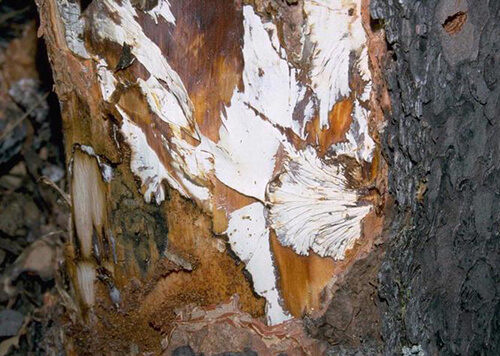
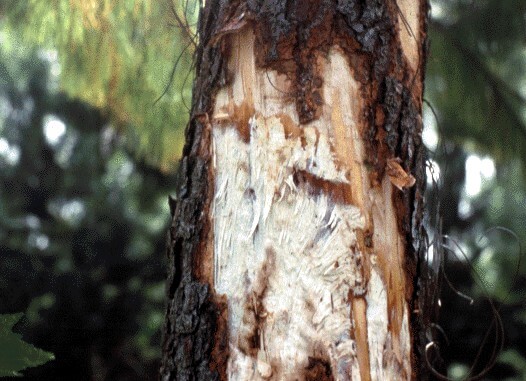
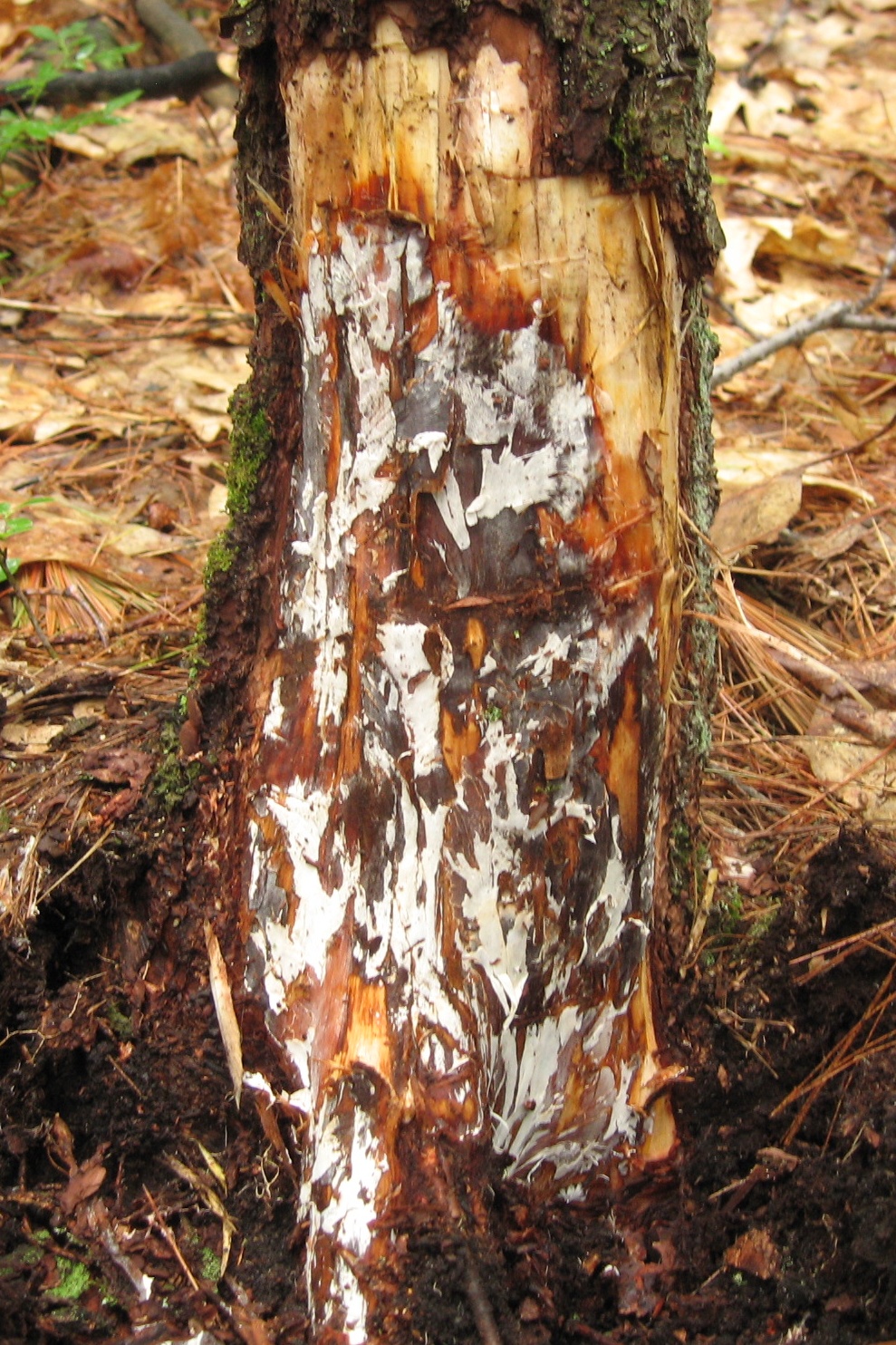
Armillaria mellea, Rosellinia necatrix and Roesleria hypogea are pathogenic fungi responsible for root rot in fig trees. Armillaria mellea is characterized by forming rhizomorphs, root-like structures that allow the fungus to disperse through the soil. This fungus can infect both live and dead roots and form fruiting bodies at the base of affected trees. Rosellinia necatrix spreads through mycelium and spores in the soil, mainly attacking large, weakened roots. This fungus also produces resistance structures called sclerotia, which can remain viable in the soil for years. Roesleria hypogea, less common, is found in calcareous soils and spreads by spores released from fruiting bodies. Each of these fungi penetrates the roots, decomposing the tissue and compromising the plant's vascular system.

SYMPTOMS
Root rot caused by these pathogens in figs or fig trees manifests itself through a series of symptoms that affect the vitality and productivity of the plant. The weakening of the root system prevents adequate absorption of water and nutrients, resulting in the general decay of the tree.
- Wilting of the leaves, especially in periods of water stress.
- Yellowing and premature leaf fall.
- Delay in the growth of new shoots.
- Presence of fungi or fruiting bodies at the base of the trunk.
- Discoloration and necrosis in the roots.
- Reduction in the production and quality of the fruits.
- Progressive death of branches and, in severe cases, of the entire plant.


TEMPERATURE AND HUMIDITY
15-25 °C
60-85 %

TRANSMISSION ROUTES
Contact with infected roots, spores in the soil, contaminated tools, contaminated irrigation water, infected planting material
Do you want to remove this disease? Choose how you want to treat it.

TREATMENTS
Chemical treatments
-
Treatments allowed in organic farming
-
Biological treatments
-
Recommendations
- Avoid planting fig trees in soil previously infected with these fungi.
- Implement crop rotation practices to reduce the accumulation of pathogens in the soil.
- Use resistant plants or rootstocks tolerant to root rot.
- Improve soil drainage to avoid prolonged wet conditions.
- Apply treatments with specific fungicides to the soil and roots, following technical recommendations.
- Remove and destroy severely affected plants to prevent the spread of the fungus.
- Carry out regular inspection of the roots and base of the trunk to detect early signs of infection.
- Avoid wounds on the roots and neck of the tree, since these are entry doors for fungi.





*The recommended treatments are recommendations based on the authorities' databases and in no way replace the guidelines established by the legislation of each country.
*Products shown are recommendations and not our own products. As Amazon Associates, we earn revenue from purchases of recommended products.

TREATMENTS
Homemade remedies
There are no home treatments
Natural allies
Chemical treatments
There are no treatments for this disease. Treatments are directed at the insect vectors that transmit it. See insect treatments.

RECOMMENDATIONS

REPELLENT PLANTS
EFFECTIVE PRODUCTS TO ELIMINATE THIS DISEASE
*The recommended treatments are recommendations based on the authorities' databases and in no way replace the guidelines established by the legislation of each country.
*Products shown are recommendations and not our own products. As Amazon Associates, we earn revenue from purchases of recommended products.



Explore more tools
Services
Contact
Legal
©2023 por ZeriMar Laboratoire. Todos los derechos reservados.