


Symptoms, treatments, and recommendations for treating tomato moth
Tomato Moth
Tuta Absoluta
Pathogen:
Type:
Insect
Risk:
HIGH
Tomate
Tuta absoluta

WHO CAUSES IT?
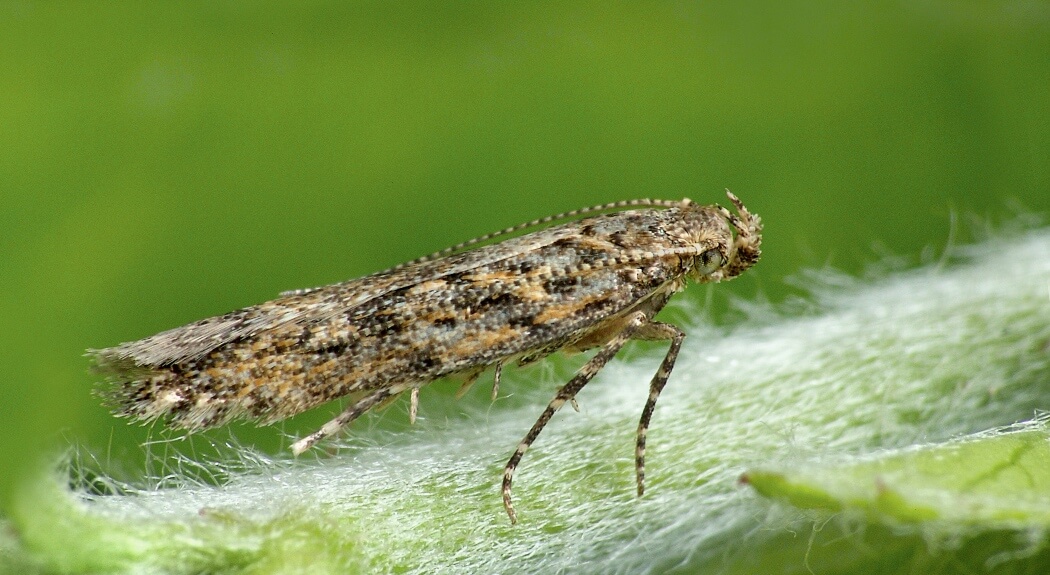
The Tuta ABSOLUTA is a lepidopteran insect of the Gelechiidae family, commonly known as the tomato moth. This pathogen is native to South America and has been a devastating pest in tomato crops around the world. The tomato moth goes through four stages of development: egg, larva, pupa and adult. The females lay their eggs on the leaves, stems and fruits of the tomato. Larvae emerge from the eggs, which are the main causes of damage by feeding on the host's tissue. These larvae go through four larval stages before pupating. The pupa can develop in the soil or on the surface of the plant. Finally, the adults emerge, which are small grayish-brown moths, capable of restarting the cycle by mating and laying more eggs.

SYMPTOMS
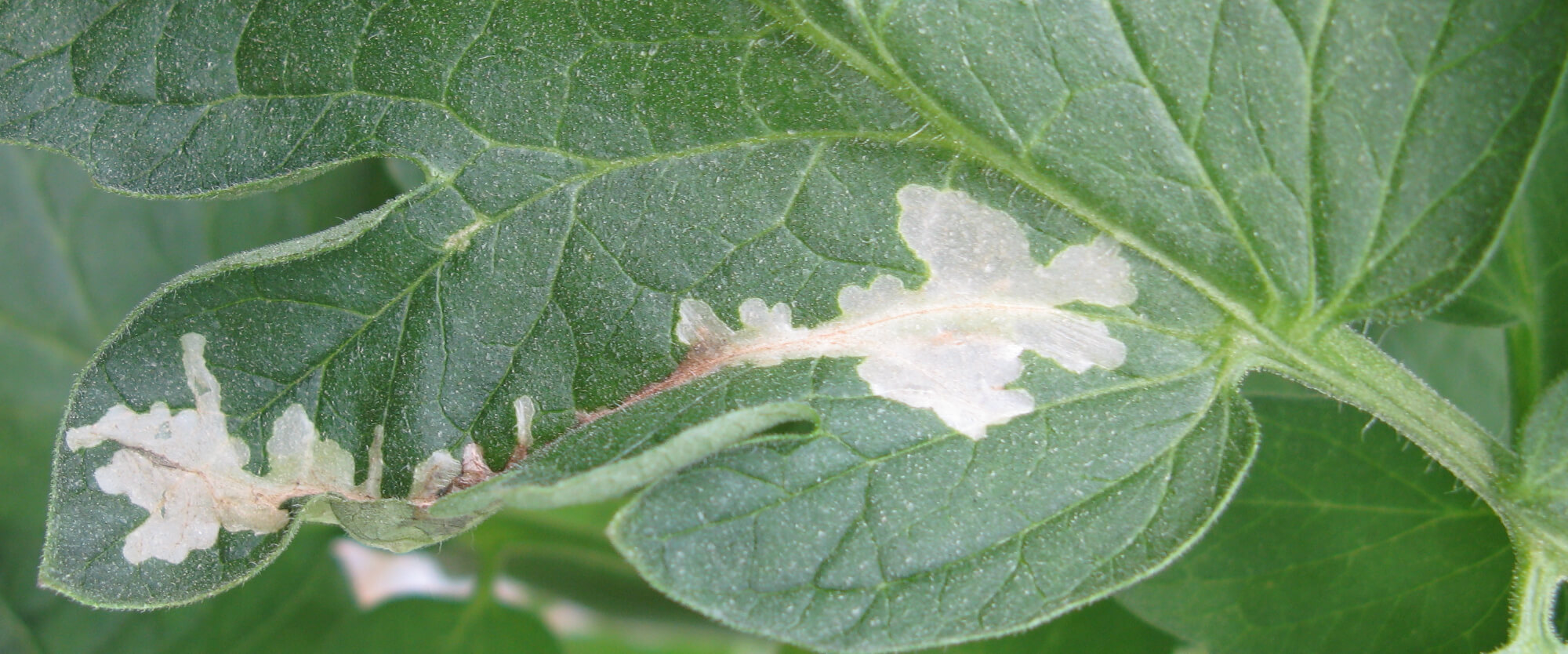
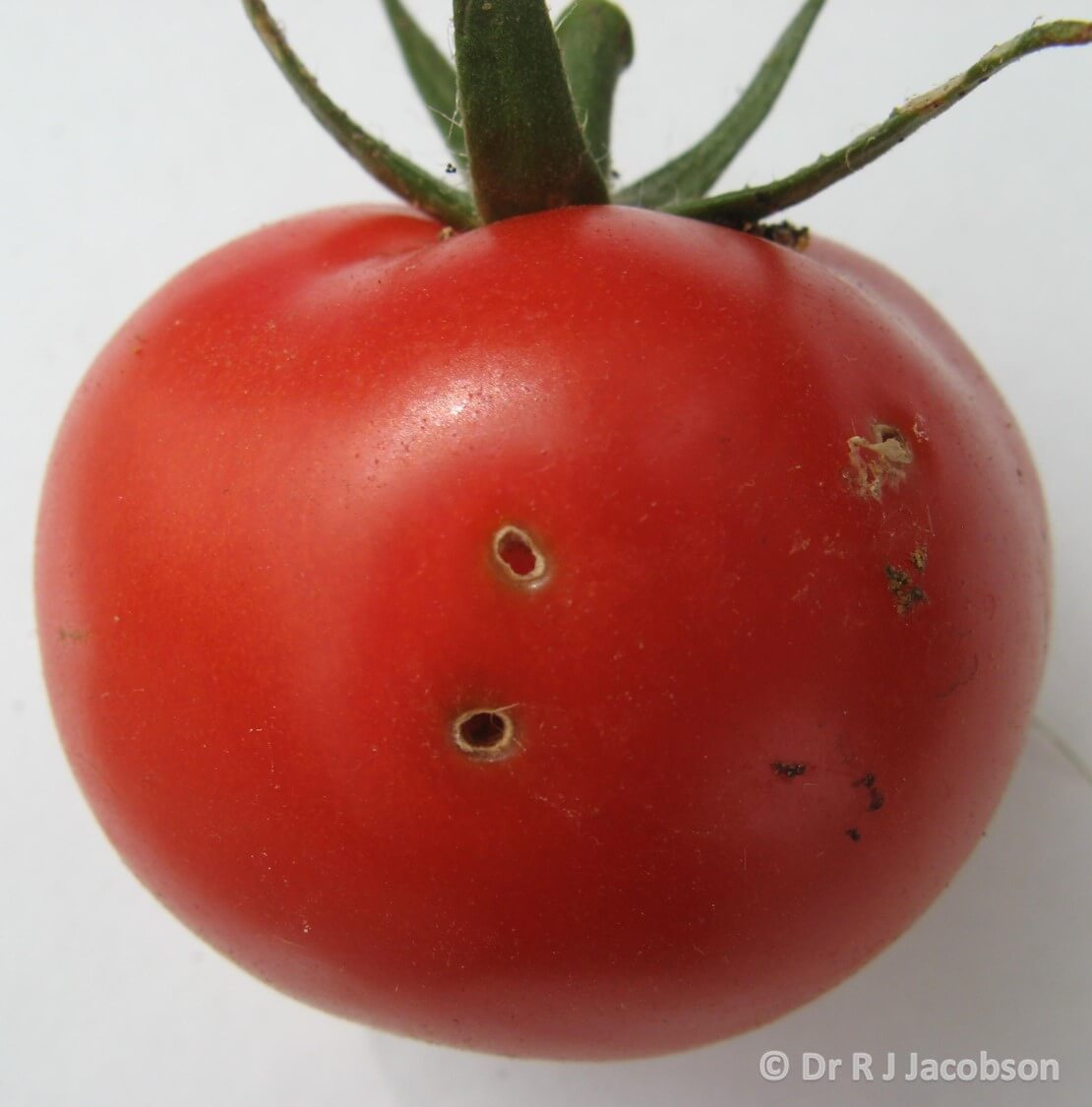
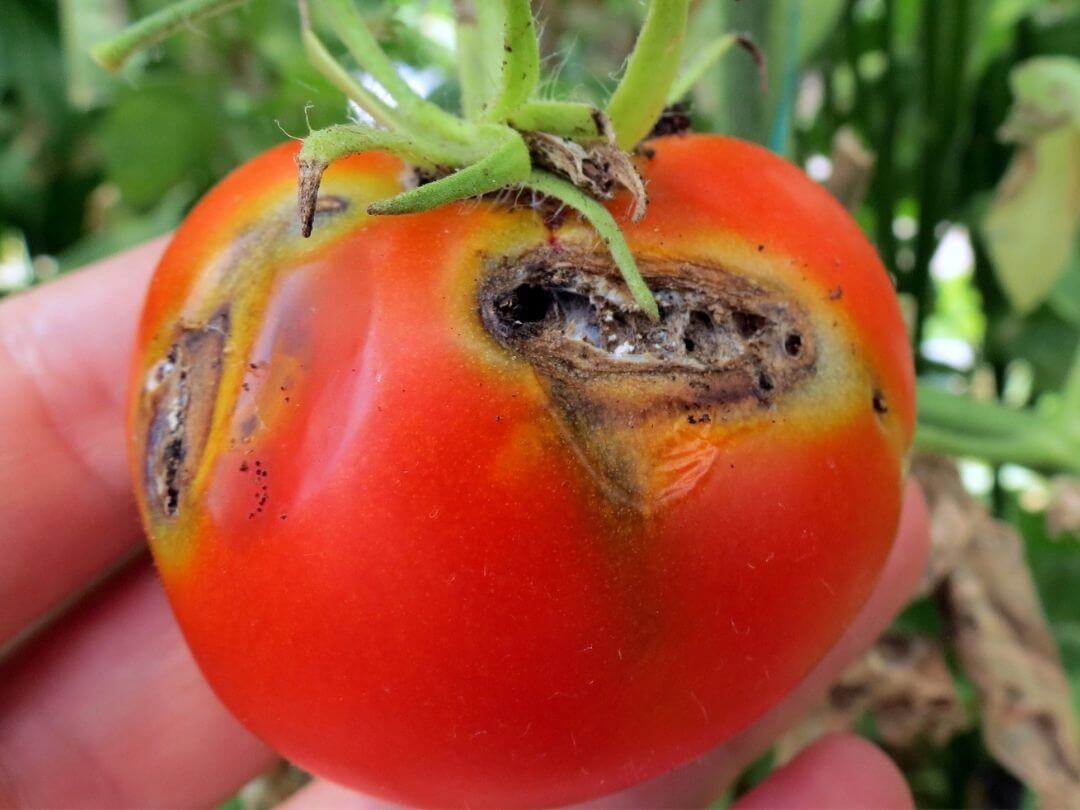
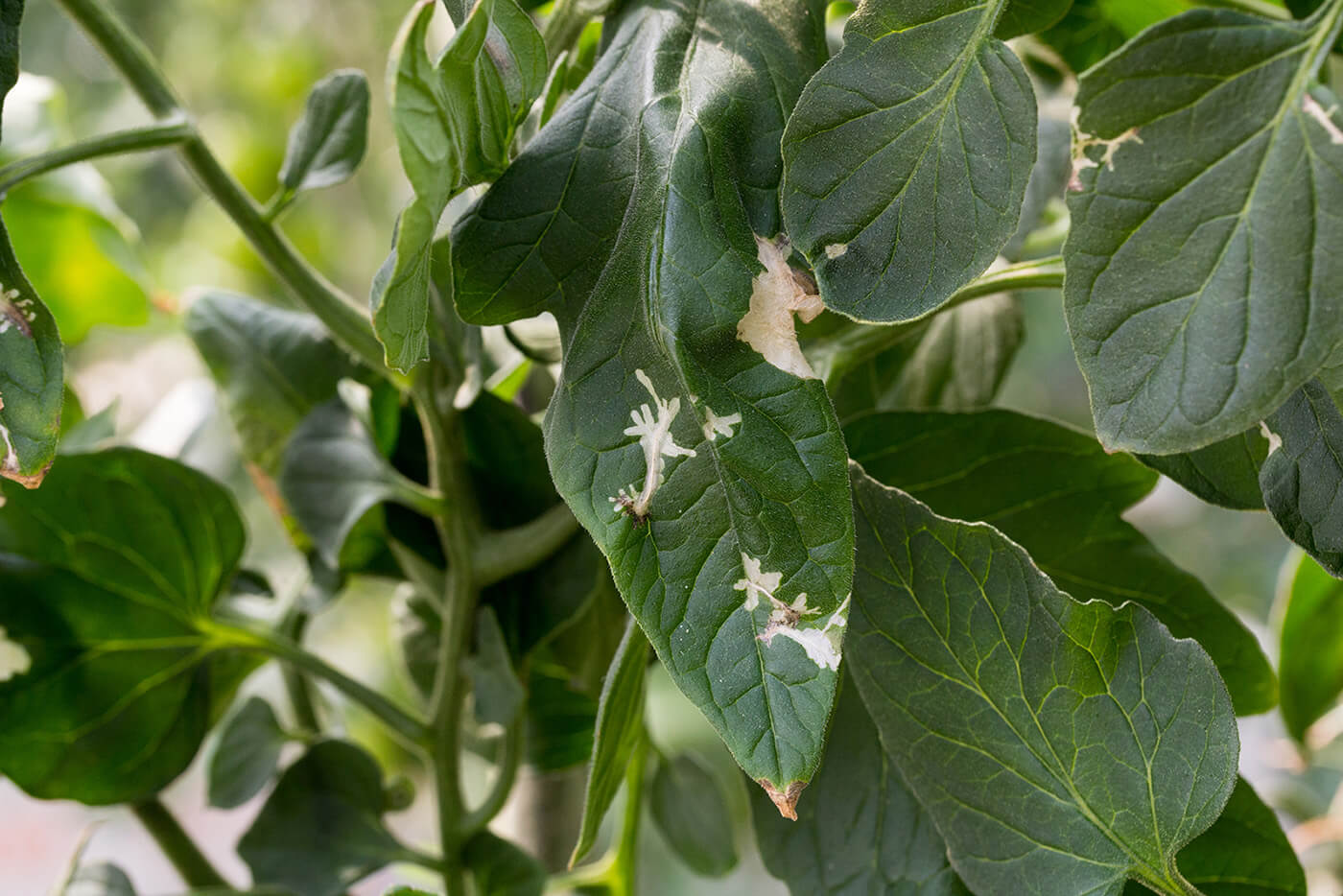
The disease caused by Tuta ABSOLUTA in tomatoes is characterized by a wide range of symptoms that significantly affect the health and productivity of the plant. The larvae feed on the internal tissue of leaves, stems and fruits, creating galleries and mining the leaves. This reduces the photosynthetic capacity of the plant and deteriorates the quality of the fruit.
- Presence of mines or galleries in leaves, stems and fruits
- Severe defoliation
- Premature fruit drop
- Loss of commercial quality of the fruit
- Fruit deformation
- Loss of general vigor of the plant
- Taches on fruits that facilitate the entry of secondary pathogens


TEMPERATURE AND HUMIDITY
20-30°C
30-90%

TRANSMISSION ROUTES
Direct contact with infested plants, wind, soil movements, contaminated tools, transportation of infested fruits
Do you want to remove this disease? Choose how you want to treat it.

TREATMENTS
Chemical treatments
• ABAMECTIN 1.8% [EW] P/V
• AZADIRACTIN 1% (AS AZADIRACTIN A) [EC] P/V
• Azadirachtin 2.6% (AS AZADIRACTIN A) [EC] P/V
• CYPERMETHRIN 5% [EC] P/V
• CHLORANTRANILIPROL 20% [SC] P/V
• CYANTRANILIPROL 10% + ACIBENZOLAR-S-METHYL 1.25% [SC] P/V
• DELTAMETHRIN 1.57% [SC] P/V
• EMAMECTIN 0.855% [SG] P/P
• METAFLUMIZONE 24% [SC] P/V
• MIXTURE OF (E,Z,Z)-3,8,11-TETRADECATRIEN-1-YL-ACETATE + (E,Z)-3,8-TETRADECADIEN-1-YL-ACETATE 0.185 g/diffuser [VP] P /P
• MIXTURE OF (E,Z,Z)-3,8,11-TETRADECATRIEN-1-YL-ACETATE + (E,Z)-3,8-TETRADECATRIEN-1-YL-ACETATE (60 MG OF THE MIXTURE/DIFFUSER ) [VP] P/P
• PYRETHRINS 5% [SC] P/V
• POTASSIUM SALTS OF FATTY ACIDS C14-C20 48% [EW] P/V
• POTASSIUM SALTS OF VEGETABLE FATTY ACIDS 13.04% [SL] P/V
• SPINETORAM 2.5% [SC] P/V
• Tuta ABSOLUTA (Pheromone)
• TRAP FOR TUTA ABSOLUTA
Treatments allowed in organic farming
• AZADIRACTIN 1% (AS AZADIRACTIN A) [EC] P/V
• Azadirachtin 2.6% (AS AZADIRACTIN A) [EC] P/V
• PYRETHRINS 5% [SC] P/V
• POTASSIUM SALTS OF FATTY ACIDS C14-C20 48% [EW] P/V
• POTASSIUM SALTS OF VEGETABLE FATTY ACIDS 13.04% [SL] P/V
• Tuta ABSOLUTA (Pheromone)
• TRAP FOR TUTA ABSOLUTA
Biological treatments
• BACILLUS THURINGIENSIS AIZAWAI (STRAIN GC-91) 50% (3.05 X 10^13 SPORES/KG) [WP] P/P
• BACILLUS THURINGIENSIS AIZAWAI 50% [WG] P/P
• BACILLUS THURINGIENSIS KURSTAKI (Strain EG 2348) 22.6% (24 x 10E6 UI/g) [SC] P/V
• BACILLUS THURINGIENSIS KURSTAKI (STRAIN PB 54) (16x10E6 I.U./G) 8% [WP] P/P
• BACILLUS THURINGIENSIS KURSTAKI (STRAIN PB 54) (16x10E6 IU/G) 9.74% [SC] P/V
• BACILLUS THURINGIENSIS KURSTAKI (STRAIN PB 54) 32% (32 MILLION IU/G) [WP] P/P
• BACILLUS THURINGIENSIS KURSTAKI (Strain SA-11) 85% (32 MILLION IU/G) [WG] P/P
• BACILLUS THURINGIENSIS KURSTAKI (SA-12 strain) 18% ((8.5 X 10^12 CFU/KG)) [WG] P/P
• BACILLUS THURINGIENSIS KURSTAKI (EG 2348) 37.5% [WP] P/P
• MACROLOPHUS PYGMAEUS
• HETERORHABDITIS BACTERIOPHORA (Parasitoid and predatory nematodes)
• STEINERNEMA FELTIAE (Parasitoid and predatory nematodes)
• STEINERNEMA CARPOCAPSAE (Parasitoid and predatory nematodes)
• NESIDIOCORIS TENUIS (Parasitoid and predatory insects)
Recommendations
- Use pheromone traps to monitor and control the adult population.
- Implement crop rotations to reduce pest pressure.
- Maintain adequate hygiene in the crop, eliminating remains of affected plants and fruits.
- Use mesh covers to prevent moth entry into greenhouses.
- Release of natural enemies, such as parasitoids and specific predators of Tuta ABSOLUTA.
- Apply phytosanitary treatments in a preventive and rotating manner to avoid the development of resistance.
- Install light traps to capture adults at night.
- Carry out regular inspections and manually remove affected parts of plants.





*The recommended treatments are recommendations based on the authorities' databases and in no way replace the guidelines established by the legislation of each country.
*Products shown are recommendations and not our own products. As Amazon Associates, we earn revenue from purchases of recommended products.

TREATMENTS
Homemade remedies
There are no home treatments
Natural allies
Chemical treatments
There are no treatments for this disease. Treatments are directed at the insect vectors that transmit it. See insect treatments.

RECOMMENDATIONS

REPELLENT PLANTS
EFFECTIVE PRODUCTS TO ELIMINATE THIS DISEASE
*The recommended treatments are recommendations based on the authorities' databases and in no way replace the guidelines established by the legislation of each country.
*Products shown are recommendations and not our own products. As Amazon Associates, we earn revenue from purchases of recommended products.



Explore more tools
Services
Contact
Legal
©2023 por ZeriMar Laboratoire. Todos los derechos reservados.