


Symptoms, treatments, and recommendations for treating crown rot
Rot or crown rot
Various fungi or bacteria
Pathogen:
Type:
Fungi and bacteria
Risk:
HIGH
Platanera
Micosis/Hongos

WHO CAUSES IT?
Rot or crown rot in banana trees is caused by various fungi and bacteria found in soil, water and plant debris. Common fungi include Fusarium sp., Colletotrichum sp. and Botryodiplodia sp., while the associated bacteria belong to the genera Erwinia sp. and Pectobacterium sp. These pathogens can remain in the environment for long periods in the form of spores, chlamydospores or in resistant structures within the soil and decomposing organic matter. Infection begins when fungal spores or bacteria come into contact with damaged plant tissues, mainly in conditions of high humidity and favorable temperatures. Once established, bacteria secrete enzymes that degrade tissues, while fungi actively penetrate through specialized structures such as appressoria and hyphae. The disease spreads rapidly in crops with poor drainage, waterlogging, and wounds caused by agricultural practices or pests.

SYMPTOMS
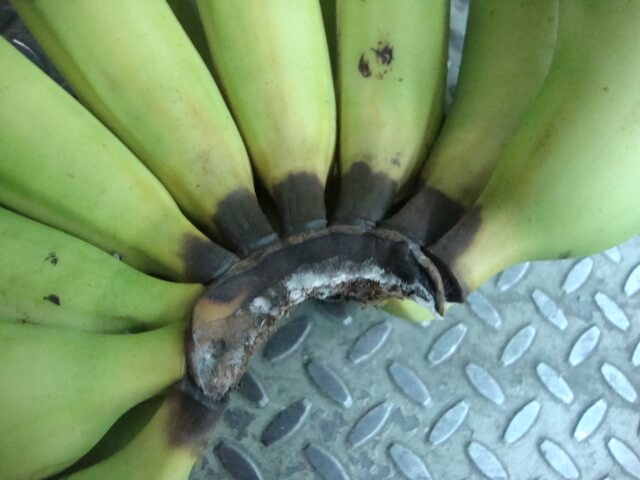
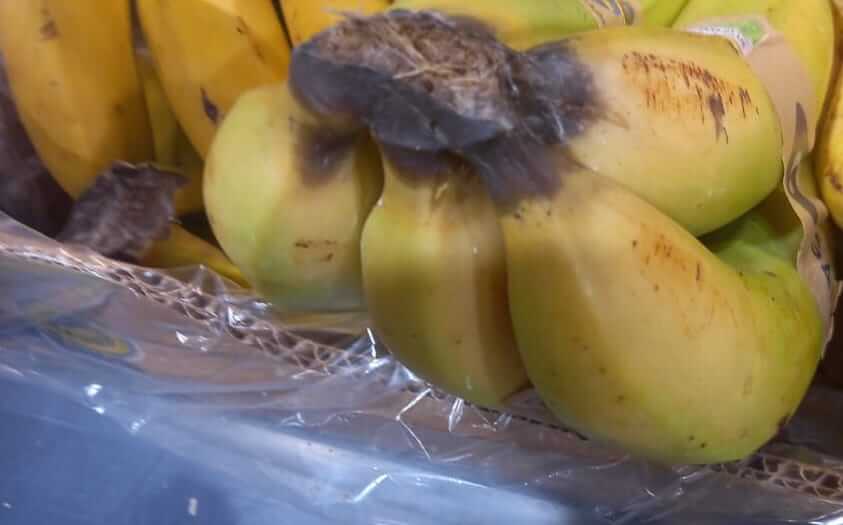
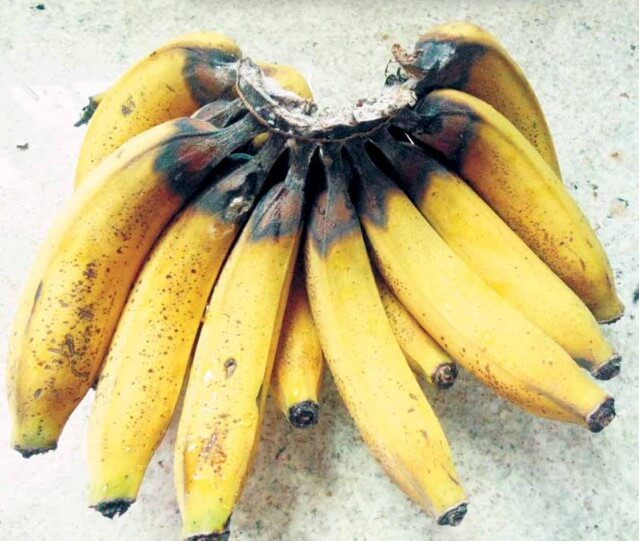
Crown rot mainly affects the base of the pseudostem and the corm of the banana tree, weakening the structure of the plant and hindering its growth. The infection begins with a discoloration and softening of the tissues, which progressively decompose into a blackish, smelly mass. The disease compromises the plant's ability to absorb water and nutrients, resulting in widespread deterioration.
- Necrosis and softening of the base of the pseudostem.
- Progressive darkening of the affected tissues.
- Exudation of liquids with an unpleasant odor in damaged areas.
- Presence of fungal structures on the surface of the diseased tissue.
- Wilting and yellowing of the lower leaves.
- Collapse of the pseudostem and weakening of the plant.
- Death of the banana tree in advanced stages.


TEMPERATURE AND HUMIDITY
20°C - 32°C
85% - 100%

TRANSMISSION ROUTES
Contaminated soil, irrigation water, infected plant remains, agricultural tools, contact between plants, vector insects
Do you want to remove this disease? Choose how you want to treat it.

TREATMENTS
Chemical treatments
• OXYCHLORURE DE CUIVRE 37,5% (EXPR. EN CU) [WG] P/P
• OXYCHLORURE DE CUIVRE 38% (EXPR. EN CU) [SC] P/V
Treatments allowed in organic farming
• OXYCHLORURE DE CUIVRE 37,5% (EXPR. EN CU) [WG] P/P
• OXYCHLORURE DE CUIVRE 38% (EXPR. EN CU) [SC] P/V
Biological treatments
• BACILLUS SUBTILIS (SOUCHE QST 713) 1,34% [SC] P/V
Recommendations
- Use certified, pathogen-free planting material to avoid the introduction of the disease in new plantations.
- Implement adequate soil drainage to avoid the accumulation of moisture, since excess water favors infection.
- Disinfect cutting and pruning tools with fungicidal or bactericidal solutions to avoid transmission between plants.
- Avoid mechanical wounds in the pseudostem and crown during agricultural work, as they facilitate the entry of pathogens.
- Apply integrated management practices, including crop rotation with non-susceptible species to reduce the pathogen load in the soil.
- Remove and destroy affected plants to minimize the spread of the pathogen in the crop.
- Maintain balanced fertilization and improve soil structure to strengthen plant resistance.
- Apply preventive treatments with biological fungicides or copper-based products in areas with a history of the disease.
- Control pests that can cause wounds on the plant, since these can act as vectors for pathogens.





*The recommended treatments are recommendations based on the authorities' databases and in no way replace the guidelines established by the legislation of each country.
*Products shown are recommendations and not our own products. As Amazon Associates, we earn revenue from purchases of recommended products.

TREATMENTS
Homemade remedies
There are no home treatments
Natural allies
Chemical treatments
There are no treatments for this disease. Treatments are directed at the insect vectors that transmit it. See insect treatments.

RECOMMENDATIONS

REPELLENT PLANTS
EFFECTIVE PRODUCTS TO ELIMINATE THIS DISEASE
*The recommended treatments are recommendations based on the authorities' databases and in no way replace the guidelines established by the legislation of each country.
*Products shown are recommendations and not our own products. As Amazon Associates, we earn revenue from purchases of recommended products.



Explore more tools
Services
Contact
Legal
©2023 por ZeriMar Laboratoire. Todos los derechos reservados.