


Symptoms, treatments and recommendations for treating ramularia
Ramularia
Ramularia Betícola
Pathogen:
Type:
Fungus
Risk:
HIGH
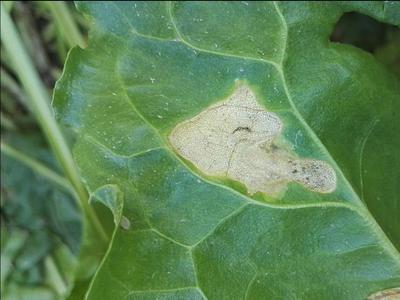
Remolacha azucarera
Micosis/Hongos
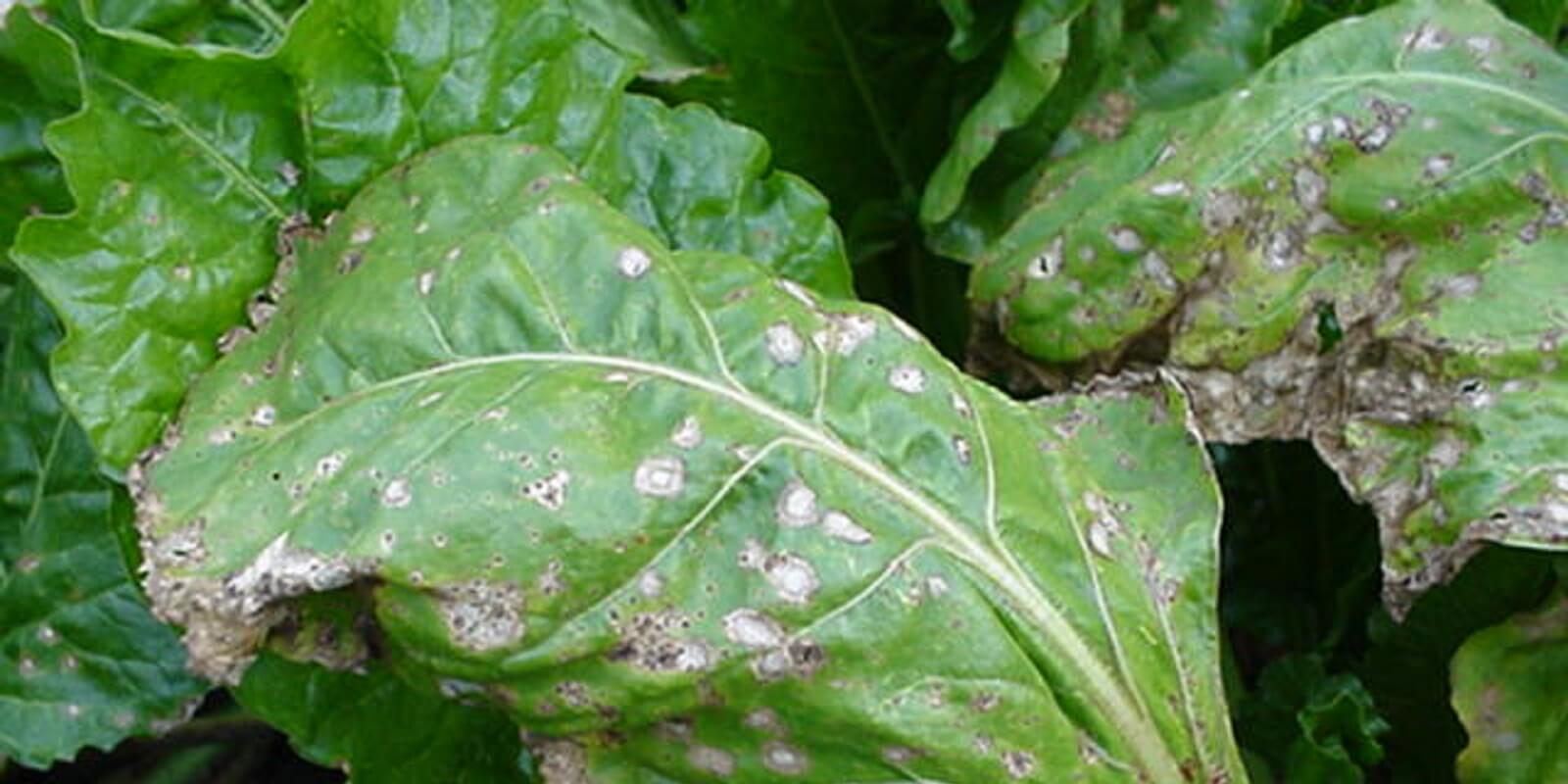

WHO CAUSES IT?
Ramularia beticola is a phytopathogenic fungus that affects sugar beet, causing the disease known as Ramularia. This fungus develops mainly in humid and cool climates, and its spread is favored by conditions of high humidity and moderate temperatures. Ramularia beticola spreads through conidia, which are asexual spores produced in structures called conidiophores. These spores are released into the environment and transported by wind, rain or by direct contact between plants. When spores land on a suitable leaf surface and encounter favorable moisture conditions, they germinate and produce germ tubes that penetrate the plant tissues. Subsequently, the fungus develops mycelium within plant tissues, causing necrosis and other visible symptoms of the disease. Additionally, Ramularia beticola can survive on plant debris in the soil, allowing it to persist from season to season and restart the infection cycle.

SYMPTOMS
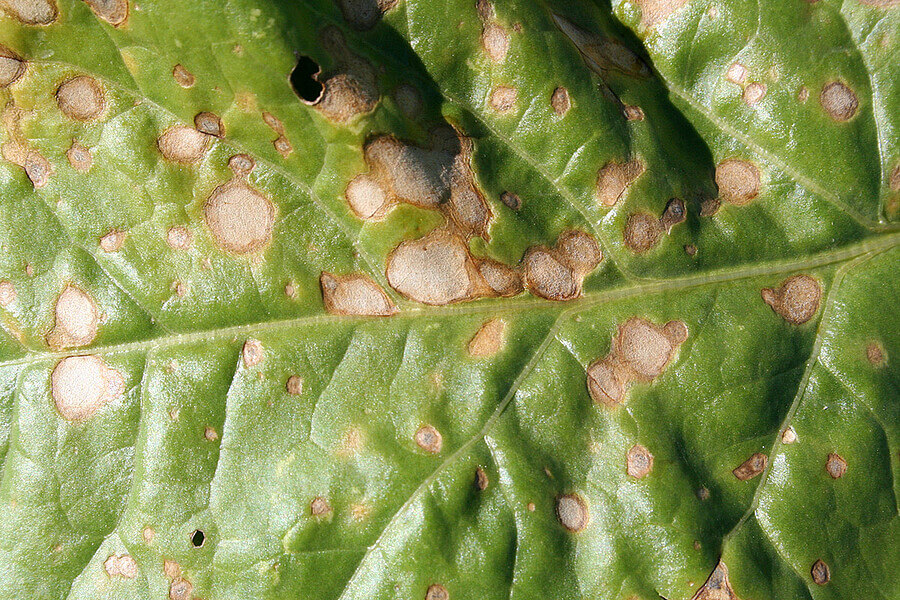
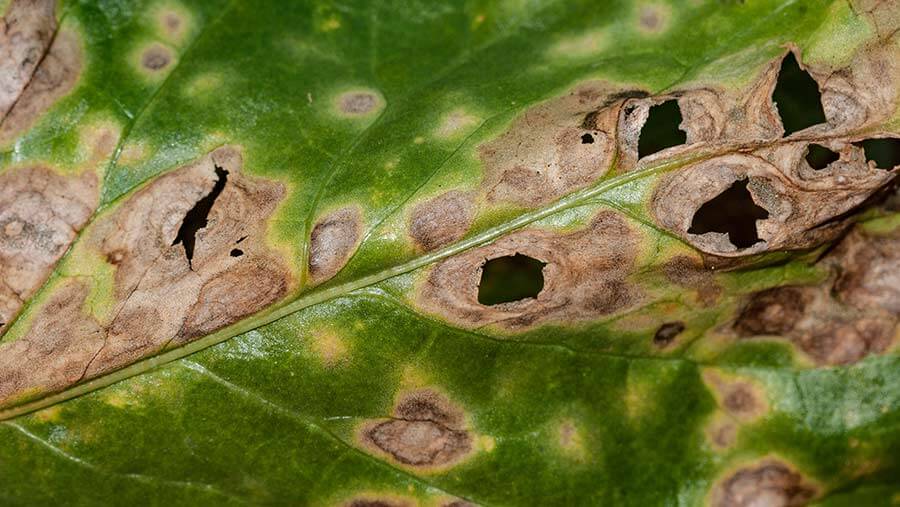
Ramularia is a disease that primarily affects the leaves of sugar beets, causing Taches and other damage that can significantly reduce crop yield. The first manifestations of the disease usually appear on the oldest leaves and progressively spread to the youngest ones.
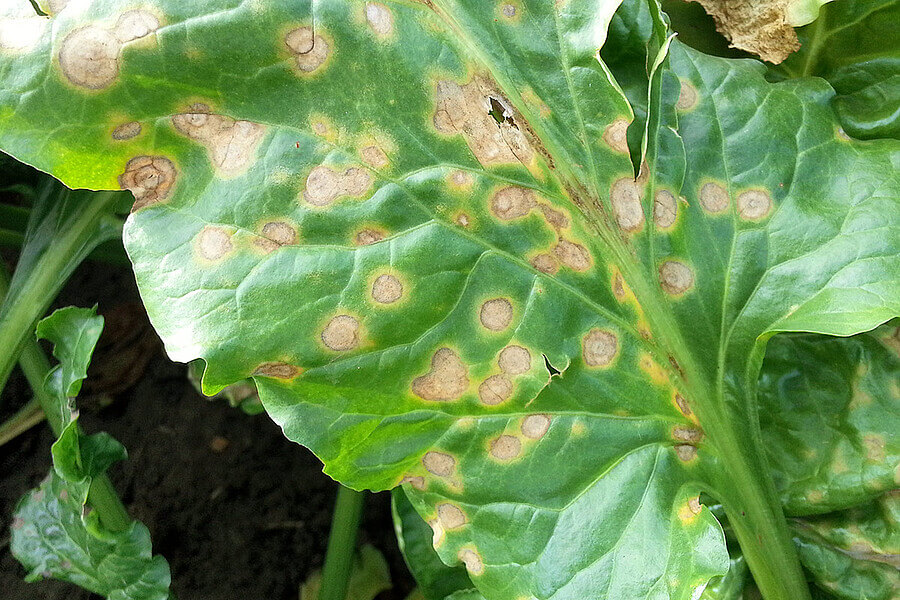
- Appearance of small, angular light to dark brown Taches on the leaves.
- The Taches usually have a well-defined dark border and a lighter center.
- Under high humidity conditions, stains may coalesce, forming larger necrotic areas.
- Affected leaves may yellow and dry prematurely.
- In advanced stages, the Taches may develop a yellowish halo around them.
- Decrease in the photosynthetic area of the plant, which reduces its ability to produce sugars.
- Loss of general vigor in the plant due to defoliation and reduction of the active leaf surface.
- Reduction in the yield and quality of the beet root due to the plant's lower capacity to store sugars.


TEMPERATURE AND HUMIDITY
15-25°C
85-100%

TRANSMISSION ROUTES
Wind, rain, direct contact between plants, plant remains, agricultural tools
Do you want to remove this disease? Choose how you want to treat it.

TREATMENTS
Chemical treatments
• DIFENOCONAZOLE 10% + FENPROPIDIN 37.5% [EC] P/V
Treatments allowed in organic farming
-
Biological treatments
-
Recommendations
- Implement crop rotations with species not susceptible to Ramularia beticola to reduce the inoculum load in the soil.
- Use sugar beet varieties that have resistance or tolerance to Ramularia.
- Maintain good field health by eliminating remains of previous crops and weeds that may harbor the fungus.
- Improve soil drainage and avoid excessive irrigation to reduce surface humidity that favors infection.
- Apply preventive and curative fungicides according to technical recommendations and treatment thresholds.
- Carry out regular monitoring of the crop to detect early symptoms of the disease and act in time.
- Promote adequate ventilation in the foliage through proper plant spacing and canopy management.
- Apply cultural practices such as planting in raised rows to reduce contact of leaves with wet soil.
- Promote the activity of antagonistic microorganisms through the application of organic amendments and biopreparations.





*The recommended treatments are recommendations based on the authorities' databases and in no way replace the guidelines established by the legislation of each country.
*Products shown are recommendations and not our own products. As Amazon Associates, we earn revenue from purchases of recommended products.

TREATMENTS
Homemade remedies
There are no home treatments
Natural allies
Chemical treatments
There are no treatments for this disease. Treatments are directed at the insect vectors that transmit it. See insect treatments.

RECOMMENDATIONS

REPELLENT PLANTS
EFFECTIVE PRODUCTS TO ELIMINATE THIS DISEASE
*The recommended treatments are recommendations based on the authorities' databases and in no way replace the guidelines established by the legislation of each country.
*Products shown are recommendations and not our own products. As Amazon Associates, we earn revenue from purchases of recommended products.



Explore more tools
Services
Contact
Legal
©2023 por ZeriMar Laboratoire. Todos los derechos reservados.