


Symptoms, treatments, and recommendations for treating black donut or prodenia
Black Donut Or Prodenia
Spodoptera Littoralis
Pathogen:
Type:
Insect
Risk:
HIGH

Apio
Orugas o gusanos
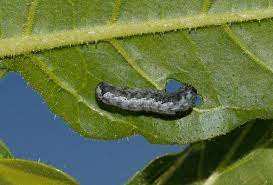

WHO CAUSES IT?
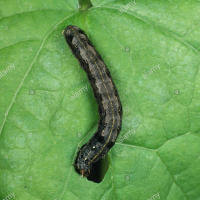
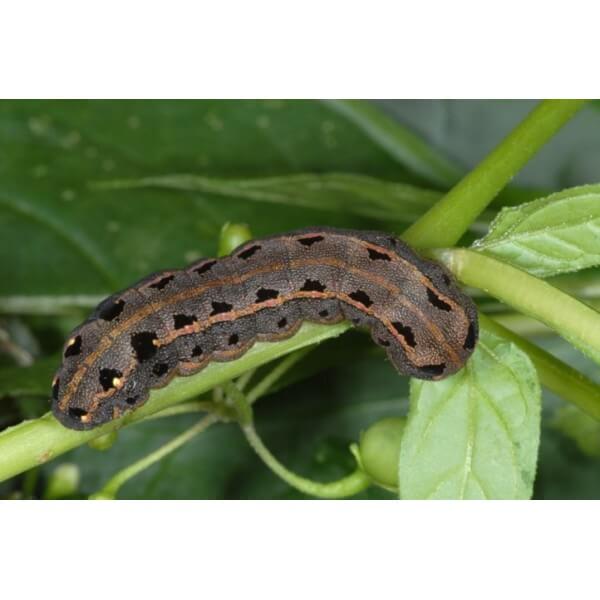
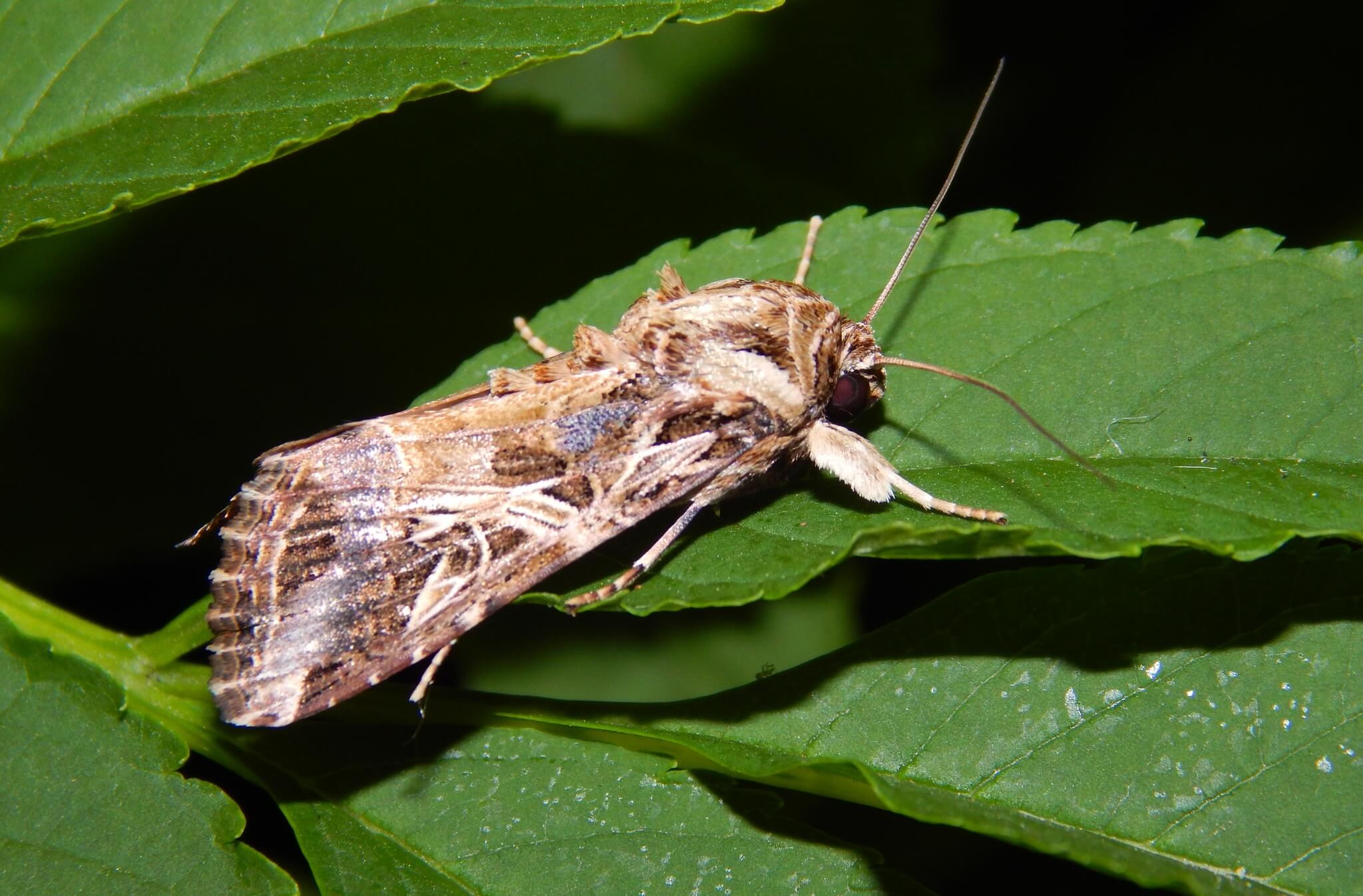
Spodoptera littoralis, known as the black donut or prodenia, is a lepidopteran of the Noctuidae family that causes significant damage to various cultivated plants, including celery. This insect goes through four stages of development: egg, larva, pupa and adult. Adult females lay their eggs in groups on the leaves, which hatch in a few days. The young larvae are light green with dark bands and go through several molts, increasing in size and changing their color as they grow. In the larval phase, which can last between two to three weeks, the larvae feed intensively on the foliage and other tender parts of the plant. Later, the mature larvae descend to the ground to pupate in a silk cocoon mixed with soil particles. After a pupation period that varies depending on temperature, the adults emerge, completing the cycle and giving rise to several generations per year in favorable climates.

SYMPTOMS
The disease caused by Spodoptera littoralis in celery, known as black donut or prodenia, manifests itself through direct damage to the aerial parts of the plant. The larvae feed voraciously on the leaves, stems and, occasionally, roots, compromising the integrity and yield of the crop. The first signs of infestation are small holes in the leaves that progress to larger holes and severe damage to plant tissue. As the infestation progresses, plants may experience significant defoliation, affecting their photosynthetic capacity and overall vigor.
- Small perforations on the leaves.
- Large holes in the leaves.
- Severe damage to plant tissue.
- Significant defoliation.
- Reduction of photosynthetic capacity.
- Decrease in the general vigor of the plants.


TEMPERATURE AND HUMIDITY
18-30°C
70-90%

TRANSMISSION ROUTES
Direct contact, Wind, Contaminated plant material, Agricultural machinery, Dispersion of adults, Transport of infected plants
Do you want to remove this disease? Choose how you want to treat it.

TREATMENTS
Chemical treatments
• CHLORANTRANILIPROL 35% [WG] P/P
• DELTAMETHRIN 2.5% [EC] P/V
• Spodoptera littoralis (Pheromone)
Treatments allowed in organic farming
• Spodoptera littoralis (Pheromone)
Biological treatments
• BACILLUS THURINGIENSIS AIZAWAI (STRAIN GC-91) 50% (3.05 X 10^13 SPORES/KG) [WP] P/P
• BACILLUS THURINGIENSIS AIZAWAI 50% [WG] P/P
• BACILLUS THURINGIENSIS KURSTAKI (STRAIN PB 54) (16x10E6 I.U./G) 8% [WP] P/P
• BACILLUS THURINGIENSIS KURSTAKI (STRAIN PB 54) 32% (32 MILLION IU/G) [WP] P/P
• BACILLUS THURINGIENSIS KURSTAKI (EG 2348) (24x106 I.U./G) 18.3% [SC] P/V
• BACILLUS THURINGIENSIS KURSTAKI (EG 2348) 37.5% [WP] P/P
• Spodoptera littoralis nucleopolyhedrovirus (SpliNPV) (isolate BV-0005) 5 x 10E11 OBs/L [SC] P/V
• STEINERNEMA CARPOCAPSAE (Parasitoid and predatory nematodes)
Recommendations
- Regularly monitor crops to detect the presence of larvae and adults early.
- Use pheromone traps to capture and monitor the adult population.
- Implement crop rotation with plants not susceptible to Spodoptera littoralis.
- Apply treatments with biological insecticides such as Bacillus thuringiensis in the first larval stages.
- Promote the presence of natural enemies such as parasitoid wasps and predators for biological control.
- Manually remove and destroy larvae and severely affected plants to reduce the pest population.
- Maintain adequate field hygiene by eliminating crop residues and weeds that may harbor larvae.
- Avoid excess nitrogen fertilization, as it can favor the development of pests.





*The recommended treatments are recommendations based on the authorities' databases and in no way replace the guidelines established by the legislation of each country.
*Products shown are recommendations and not our own products. As Amazon Associates, we earn revenue from purchases of recommended products.

TREATMENTS
Homemade remedies
There are no home treatments
Natural allies
Chemical treatments
There are no treatments for this disease. Treatments are directed at the insect vectors that transmit it. See insect treatments.

RECOMMENDATIONS

REPELLENT PLANTS
EFFECTIVE PRODUCTS TO ELIMINATE THIS DISEASE
*The recommended treatments are recommendations based on the authorities' databases and in no way replace the guidelines established by the legislation of each country.
*Products shown are recommendations and not our own products. As Amazon Associates, we earn revenue from purchases of recommended products.



Explore more tools
Services
Contact
Legal
©2023 por ZeriMar Laboratoire. Todos los derechos reservados.