


Symptoms, treatments, and recommendations for treating white leaf spot or septoria
White Leaf Spot Or Septoria
Septoria Sp. / Sphaerulina Sp.
Pathogen:
Type:
Fungus
Risk:
HIGH
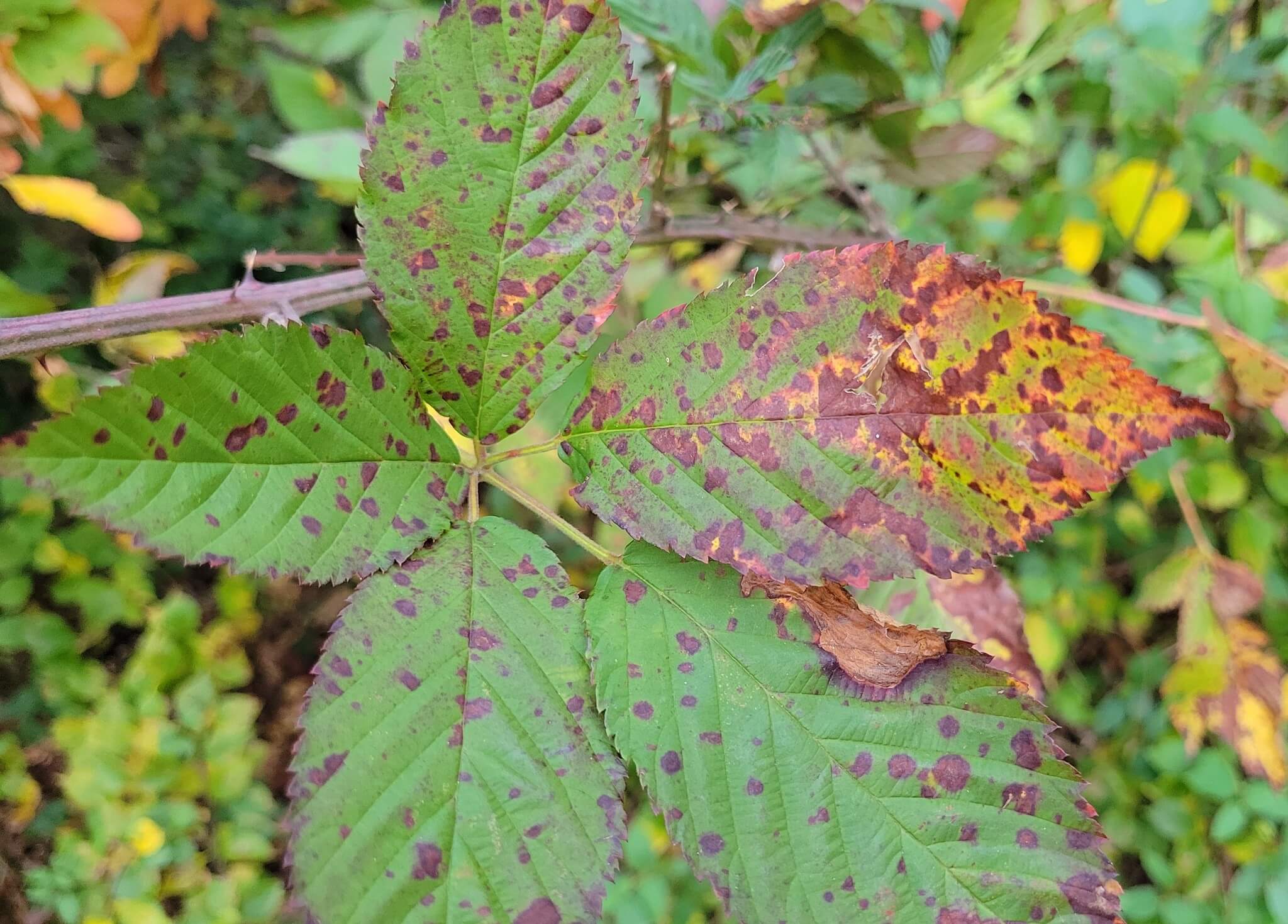
Frambuesa
Septoriosis

WHO CAUSES IT?
Septoria sp. and Sphaerulina sp. They are phytopathogenic fungi responsible for causing white leaf spot or septoria in raspberries. These fungi survive on infected plant remains and in the soil during the winter, waiting for favorable conditions for their development in the spring and summer. Spores are spread by wind, rain and irrigation water, infecting new plants when moisture conditions are suitable. Once the spores land on the surface of the leaves, they germinate and penetrate the leaf tissue through stomata or wounds, initiating the infectious process. Inside the leaf, the fungus grows and forms reproductive structures known as pycnidia, where new spores are produced and released to continue the infection cycle. This process can be repeated several times during the growing season, especially under weather conditions favorable to the fungus, such as high humidity and moderate temperatures.

SYMPTOMS
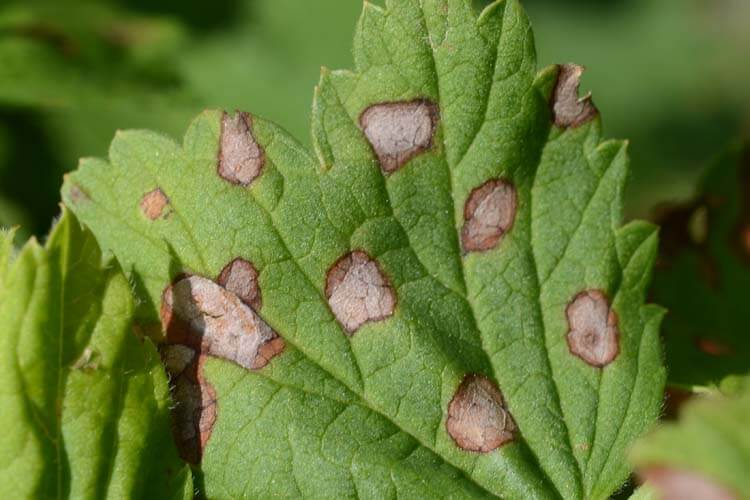
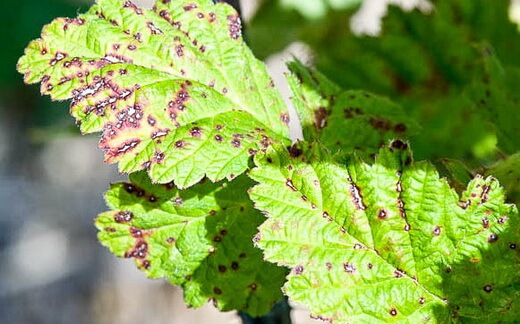
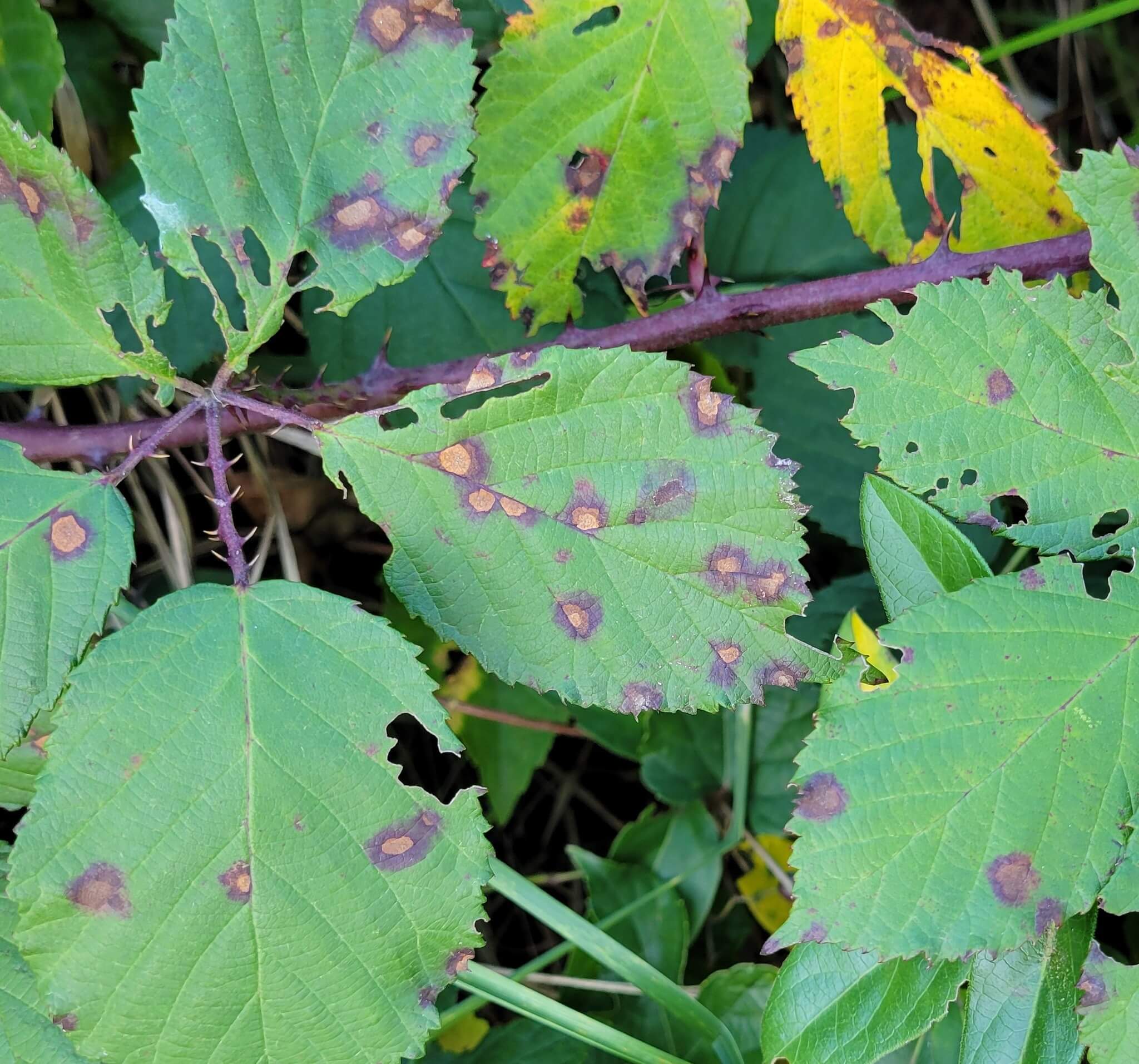
White leaf spot or septoria in raspberries initially manifests as small brown Taches that enlarge and turn white in the center, surrounded by a dark border. These Taches can converge, causing extensive necrosis of the leaf tissue and weakening the plant. Severe infection can significantly reduce functional leaf area, affecting photosynthesis and, consequently, fruit production.
- Brown Taches that enlarge and turn white in the center.
- Dark edges around the stains.
- Extensive necrosis of the leaf tissue.
- Premature defoliation.
- Reduction in the photosynthetic capacity of the plant.
- Decrease in fruit production.
- Plants weakened and more susceptible to other diseases.



TEMPERATURE AND HUMIDITY
15°C - 25°C
70% - 90%

TRANSMISSION ROUTES
Wind, rain, irrigation water, contaminated tools, contact with infected plants, remains of infected plants in the soil
Do you want to remove this disease? Choose how you want to treat it.

TREATMENTS
Chemical treatments
• AZOXISTROBIN 20% + DIFENOCONAZOLE 12.5% [SC] P/V
• AZOXISTROBIN 25% [SC] P/V
• DIFENOCONAZOLE 25% [EC] P/V
• PIRACLOSTROBIN 6.7% + BOSCALIDE 26.7% ( ) [WG] P/P
Treatments allowed in organic farming
-
Biological treatments
-
Recommendations
- Regularly monitor raspberry plants for early signs of infection.
- Practice good crop hygiene, eliminating and destroying remains of infected plants.
- Implement crop rotations to reduce the accumulation of pathogens in the soil.
- Use raspberry varieties resistant to Septoria sp. and Sphaerulina sp. whenever possible.
- Apply preventive and curative fungicides in a timely manner and following the recommendations for use.
- Improve air circulation in the crop through adequate plant spacing and pruning.
- Avoid sprinkler irrigation that can favor the dispersion of fungal spores.
- Perform soil analysis and apply appropriate amendments to maintain a good nutritional status of the plants.
- Implement a monitoring and integrated pest management (IPM) program to control other diseases and pests that can weaken plants.
- Use sticky traps and physical barriers to reduce the population of vectors that can spread spores.





*The recommended treatments are recommendations based on the authorities' databases and in no way replace the guidelines established by the legislation of each country.
*Products shown are recommendations and not our own products. As Amazon Associates, we earn revenue from purchases of recommended products.

TREATMENTS
Homemade remedies
There are no home treatments
Natural allies
Chemical treatments
There are no treatments for this disease. Treatments are directed at the insect vectors that transmit it. See insect treatments.

RECOMMENDATIONS

REPELLENT PLANTS
EFFECTIVE PRODUCTS TO ELIMINATE THIS DISEASE
*The recommended treatments are recommendations based on the authorities' databases and in no way replace the guidelines established by the legislation of each country.
*Products shown are recommendations and not our own products. As Amazon Associates, we earn revenue from purchases of recommended products.



Explore more tools
Services
Contact
Legal
©2023 por ZeriMar Laboratoire. Todos los derechos reservados.