

Plantas decorativas de jardín y/o interior
How to recognize and combat white rot in decorative garden and/or indoor plants
White Rot
Fungus
Type:
Risk to the plant:
HIGH
Sclerotinia Sp.
Pathogen:
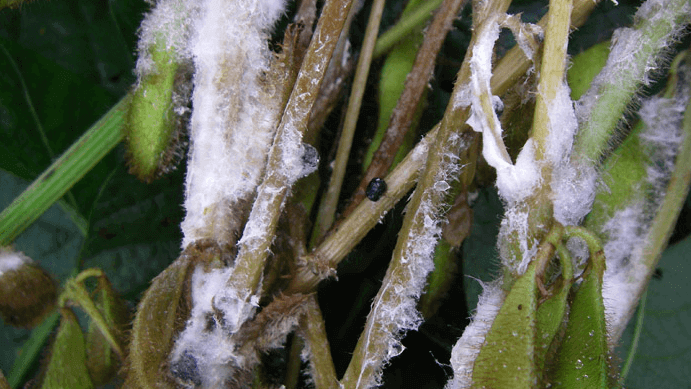
Moho blanco


WHO CAUSES IT?
Sclerotinia sp. It is a pathogenic fungus that affects a wide variety of plants. This fungus develops in the soil and produces sclerotia, resistance structures that can survive in the soil for several years under adverse conditions. Sclerotia germinate in the presence of favorable environmental conditions, such as high humidity and moderate temperatures, producing apothecia, which are small cup-shaped structures. The apothecia release spores called ascospores, which are dispersed by wind and water, infecting the plant tissues of the host plants. The infection generally begins in the lower parts of the plant, where the spores encounter high humidity conditions, and spreads rapidly causing decomposition of the affected tissues.
.png)
SYMPTOMS
White rot caused by Sclerotinia sp. significantly affects plants, causing symptoms that can lead to a considerable loss of vigor and production.
- Appearance of watery Taches on stems and leaves.
- Decomposition of the affected tissues.
- Formation of a white cottony mass in diseased tissues.
- Withering and collapse of the aerial parts of the plant.
- Presence of black sclerotia inside the stems and roots.
- Delay in the growth and development of the plant.
- Premature fall of flowers and fruits.
- Death of young plants and weakening of adult plants.
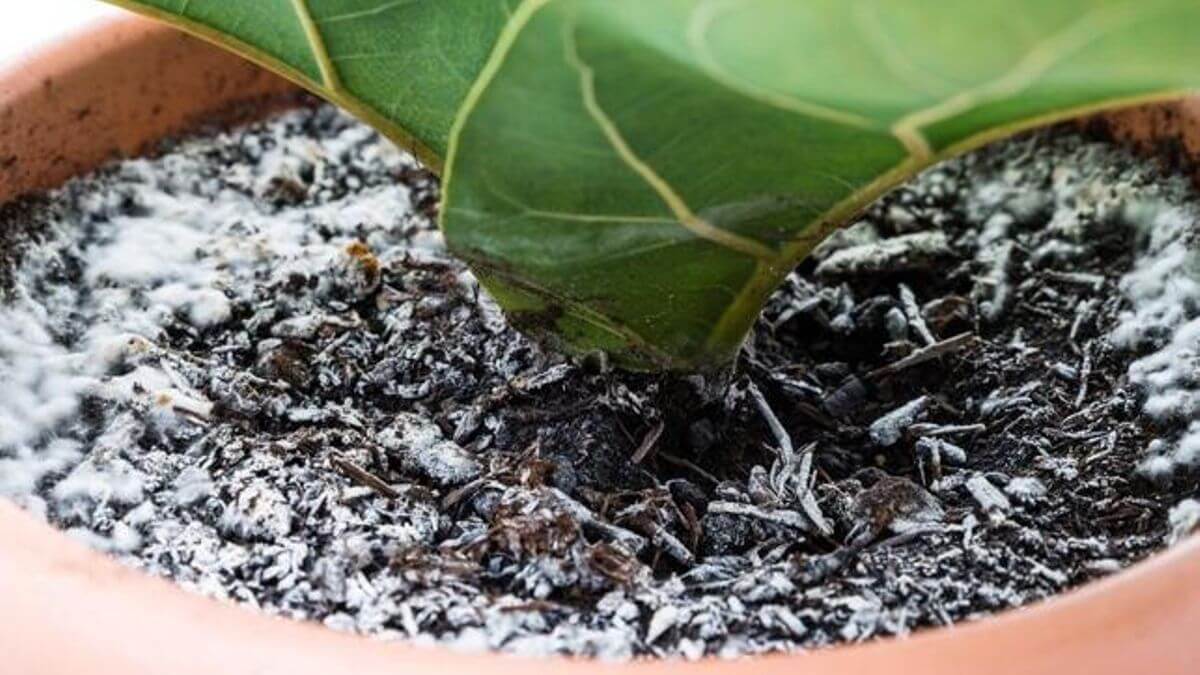
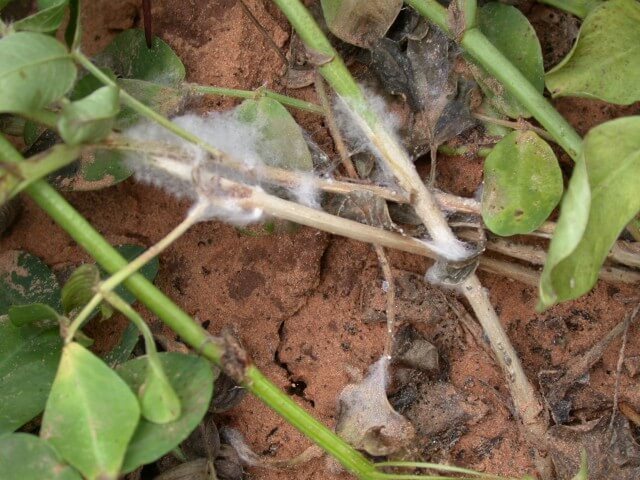
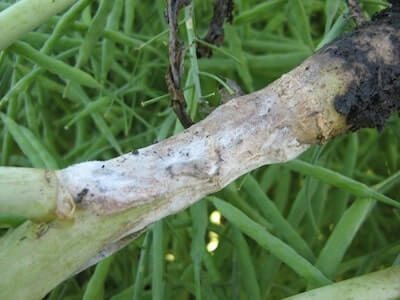


DEVELOPMENT CONDITIONS
Temperature:
15°C a 25°C
Humidity:
70% a 90%

HOW IS IT SPREAD?
Spores carried by wind, Contact with infected soil, Contaminated tools, Irrigation with infected water, Infected plant material, Movement of sclerotia in soil

HOW TO ELIMINATE IT?
Home treatments
There are no home treatments
Natural allies
Chemical treatments
There are no treatments for this disease. Treatments are directed at the insect vectors that transmit it. See insect treatments.
RECOMMENDED PRODUCTS TO ELIMINATE THE PEST
Sponsored link

Sponsored link


Sponsored link
Sponsored link
Sponsored link


Sponsored link
Sponsored link
Effective against all types of fungi

Sponsored link


Sponsored link
Sponsored link

Sponsored link


Sponsored link

REPELLENT PLANTS

RECOMMENDATIONS
OTHER PESTS THAT MAY INTEREST YOU


DID YOU LIKE IT?
Now you can always have it on your mobile, without ads and totally FREE. TRY idMicrobe NOW!


