

Plantas decorativas de jardín y/o interior
How to recognize and combat thrips on decorative garden and/or indoor plants
Thrips
Insect
Type:
Risk to the plant:
HIGH
Thrips
Pathogen:
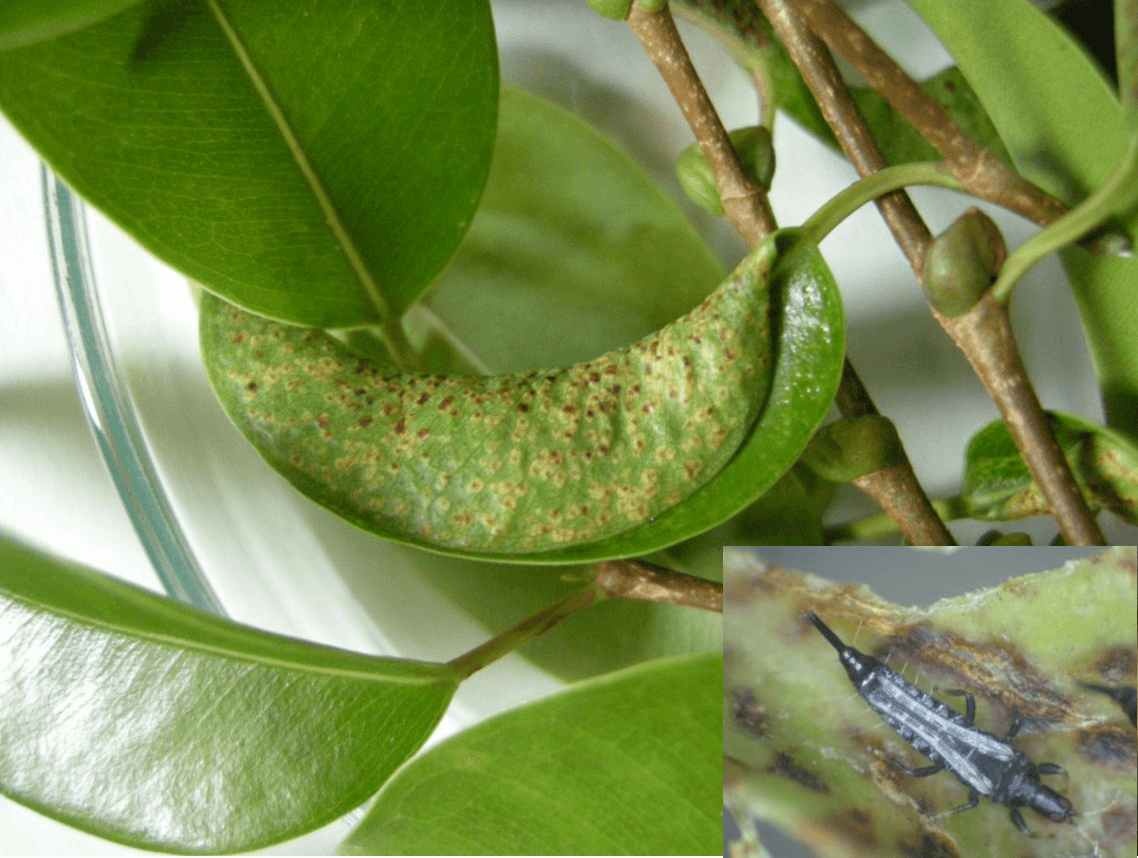
Trips


WHO CAUSES IT?
Thrips are small insects belonging to the order Thysanoptera, known for their ability to damage various plants. They measure approximately 1-2 mm in length and have elongated bodies with fringed wings. Thrips go through several stages of development: egg, larva, pupa and adult. Adult females lay their eggs within plant tissue, where larvae emerge and begin feeding on plant sap. The larvae develop in the same tissue before falling to the ground to pupate. Adults emerge and can quickly disperse to new plants. Thrips are capable of reproducing asexually (parthenogenesis) and sexually, allowing them to quickly adapt to different environments. Their entire life cycle can be as short as two weeks under favorable conditions, allowing multiple generations in a single growing season.
.png)
SYMPTOMS
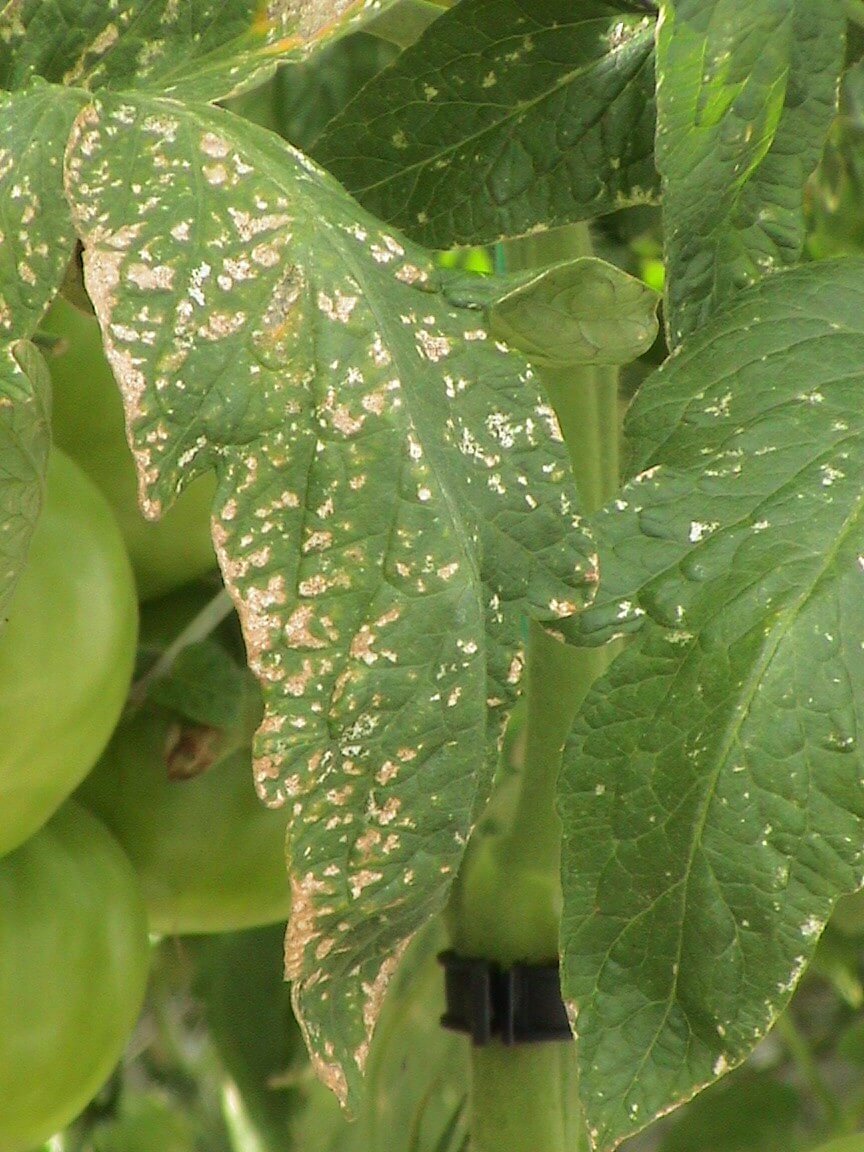
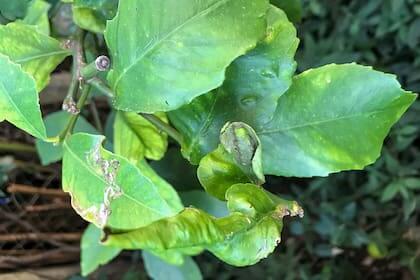
Thrips infestation in plants causes a disease that is characterized by various symptoms that affect the health and productivity of the plants. Thrips pierce plant cells to feed, resulting in silvery or discolored Taches on leaves and flowers. This feeding can also induce the deformation of leaves and fruits, and the appearance of black Taches that are their excrement. In addition, thrips can transmit phytopathogenic viruses, aggravating the damage.
- Silvery or discolored Taches on leaves and flowers.
- Deformation of leaves and fruits.
- Black dots (excrement) on the surface of the leaves.
- Reduction in plant growth.
- Premature fall of leaves and flowers.
- Transmission of phytopathogenic viruses.
- Tissue necrosis.
- Wilting and general weakening of the plant.



DEVELOPMENT CONDITIONS
Temperature:
20°C - 30°C
Humidity:
50% - 80%

HOW IS IT SPREAD?
Wind, infected plants, contaminated tools, direct contact between plants, transfer of plant material, contaminated crop surfaces, movements of personnel and machinery in crops

HOW TO ELIMINATE IT?
Home treatments
There are no home treatments
Natural allies
Chemical treatments
There are no treatments for this disease. Treatments are directed at the insect vectors that transmit it. See insect treatments.
RECOMMENDED PRODUCTS TO ELIMINATE THE PEST
Sponsored link

Sponsored link


Sponsored link
Sponsored link
Sponsored link


Sponsored link
Sponsored link
Effective against all types of fungi

Sponsored link


Sponsored link
Sponsored link

Sponsored link


Sponsored link

REPELLENT PLANTS

RECOMMENDATIONS
OTHER PESTS THAT MAY INTEREST YOU


DID YOU LIKE IT?
Now you can always have it on your mobile, without ads and totally FREE. TRY idMicrobe NOW!


