

Plantas decorativas de jardín y/o interior
How to recognize and combat tuta absoluta in decorative garden and/or indoor plants
Tuta absoluta
Insect
Type:
Risk to the plant:
CRITICAL
Tuta absoluta
Pathogen:
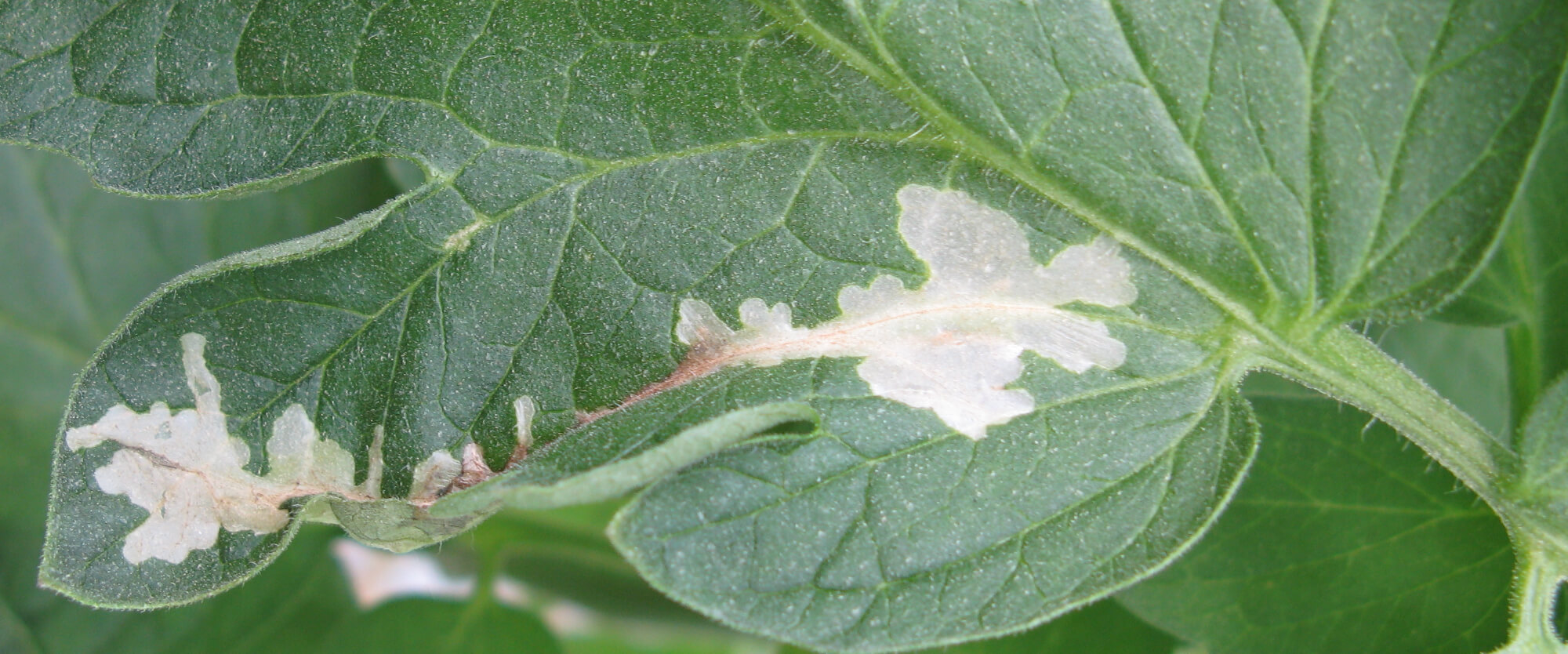
Tuta absoluta


WHO CAUSES IT?
Tuta ABSOLUTA, commonly known as tomato moth, is a small moth native to South America that has managed to spread globally, seriously affecting horticultural crops. Its body is elongated, with gray and mottled wings, and a wingspan that does not exceed 10 mm. Adult females deposit eggs singly or in groups on leaves, stems and fruits. Larvae emerge from these eggs and quickly enter the plant tissues, where they remain for most of their development. These larvae go through four stages before pupating, making galleries inside the plant. Pupation can occur inside the plant or in the soil, protected by a cocoon. In warm conditions, the cycle is completed in just over three weeks, allowing for multiple generations per year. This high reproductive rate, together with its ability to develop hidden within the plant tissue, makes its control difficult and favors its rapid expansion.
.png)
SYMPTOMS
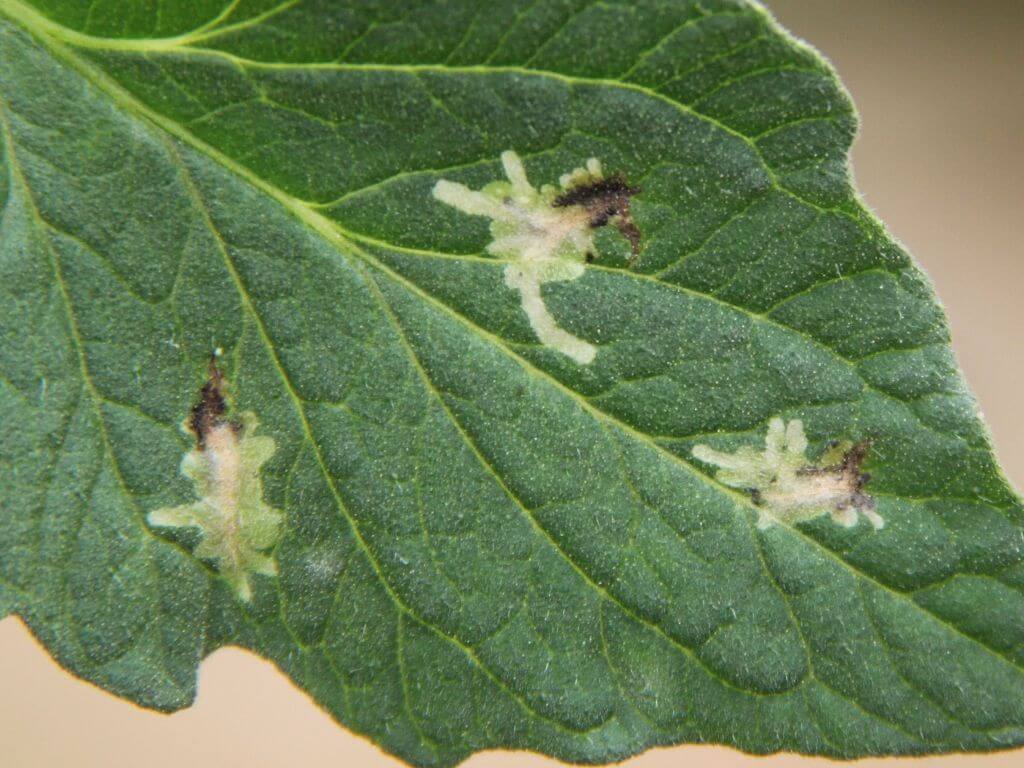
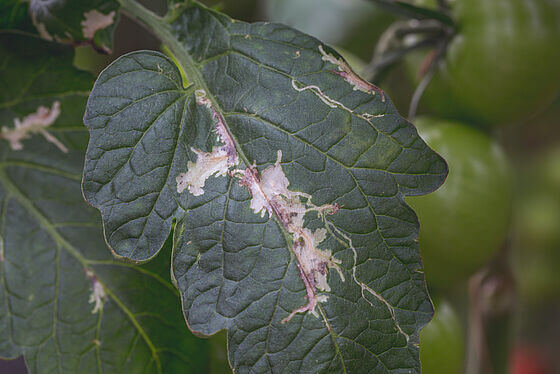
In Plants, Tuta ABSOLUTA causes a devastating disease, especially in tomato crops, although it also affects other solanaceous plants. The larvae pierce leaves, stems and fruits, compromising the physiology of the plant and drastically reducing yield. Internal larval damage prevents early detection, allowing the pathogen to multiply before being noticed. The commercial loss is not only due to direct damage, but also to the decrease in fruit quality and greater vulnerability to secondary infections.
- Sinuous galleries in leaves and stems
- Premature leaf drop due to internal damage
- Visible perforations in fruits with dark excrements
- Localized necrosis in the affected areas
- Dead or deformed terminal shoots
- Presence of whitish larvae inside the fruit or on leaves
- Significant reduction in commercial production


DEVELOPMENT CONDITIONS
Temperature:
20 °C – 30 °C
Humidity:
30 % – 70 %

HOW IS IT SPREAD?
Infested plants, Contaminated plant material, Wind, Movement of people, Agricultural tools, Transport of products, Neighboring crops

HOW TO ELIMINATE IT?
Home treatments
There are no home treatments
Natural allies
Chemical treatments
There are no treatments for this disease. Treatments are directed at the insect vectors that transmit it. See insect treatments.
RECOMMENDED PRODUCTS TO ELIMINATE THE PEST
Sponsored link
Sponsored link


Sponsored link
Sponsored link
Sponsored link


Sponsored link
Sponsored link
Effective against all types of fungi

Sponsored link


Sponsored link
Sponsored link

Sponsored link


Sponsored link

REPELLENT PLANTS

RECOMMENDATIONS
OTHER PESTS THAT MAY INTEREST YOU


DID YOU LIKE IT?
Now you can always have it on your mobile, without ads and totally FREE. TRY idMicrobe NOW!


