

Platanera
How to recognize and combat scar beetles on banana trees
Scar beetle
Insect
Type:
Risk to the plant:
INTERMEDIATE
Colaspis hypochlora
Pathogen:
Escarabajos


WHO CAUSES IT?
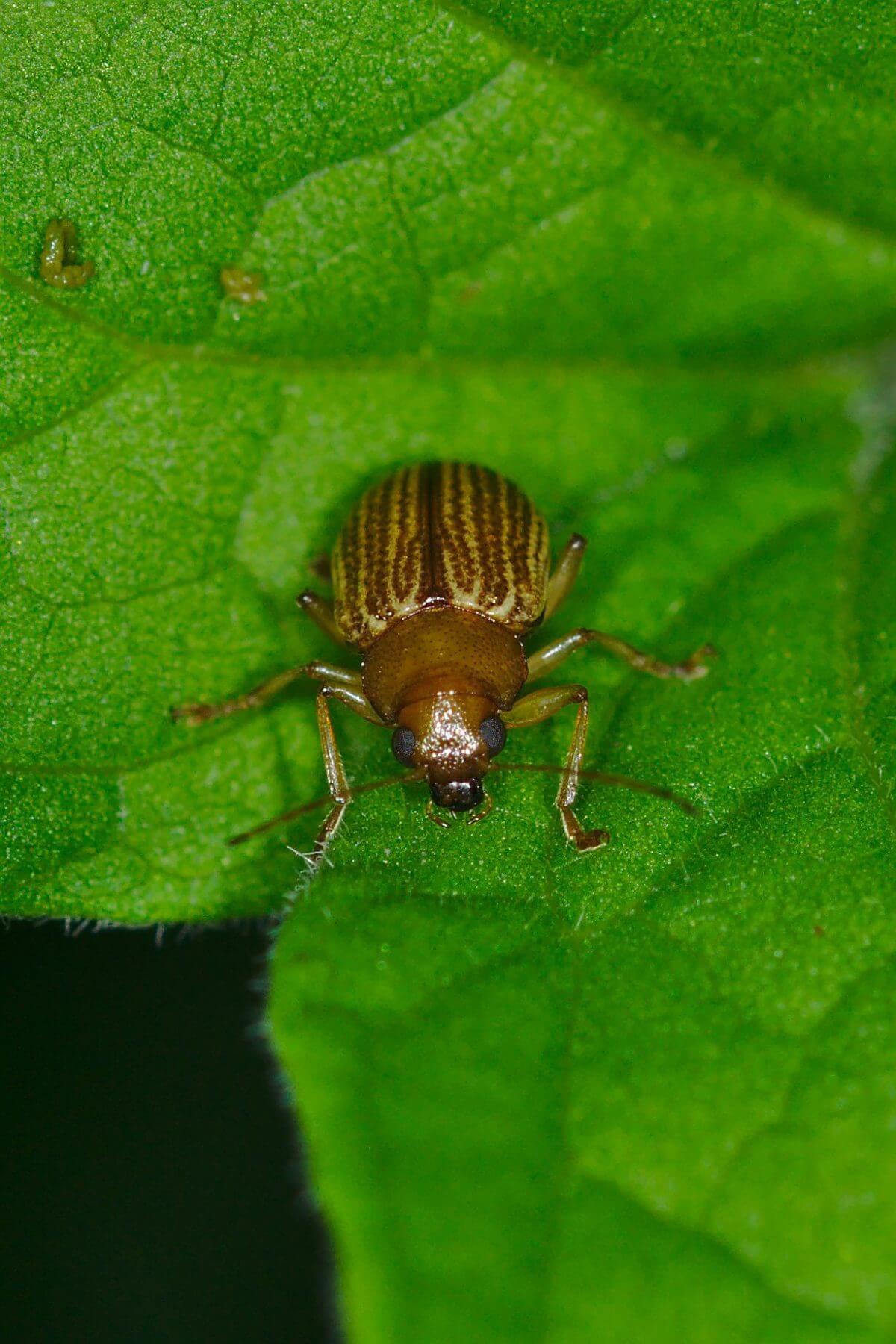
Colaspis hypochlora is a phytophagous beetle that belongs to the Chrysomelidae family, characterized by its small size and metallic green or yellowish color, which allows it to camouflage itself among the foliage. Its development begins when the females deposit their eggs in the soil near the base of the plants. The larvae emerge and feed on the roots, weakening the root system and affecting the absorption of nutrients and water. Over time, the larvae complete their growth in the soil before pupating and emerging as adults. The adult beetles ascend to the aerial part of the plant and begin to feed on the leaves, causing significant damage to the foliage. During the adult stage, the pest reproduces rapidly, which can generate high populations in a short time if conditions are favorable. The presence of warm temperatures and high humidity favors its proliferation, which increases its impact on crops.
.png)
SYMPTOMS
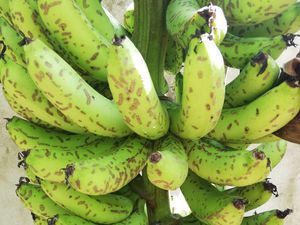
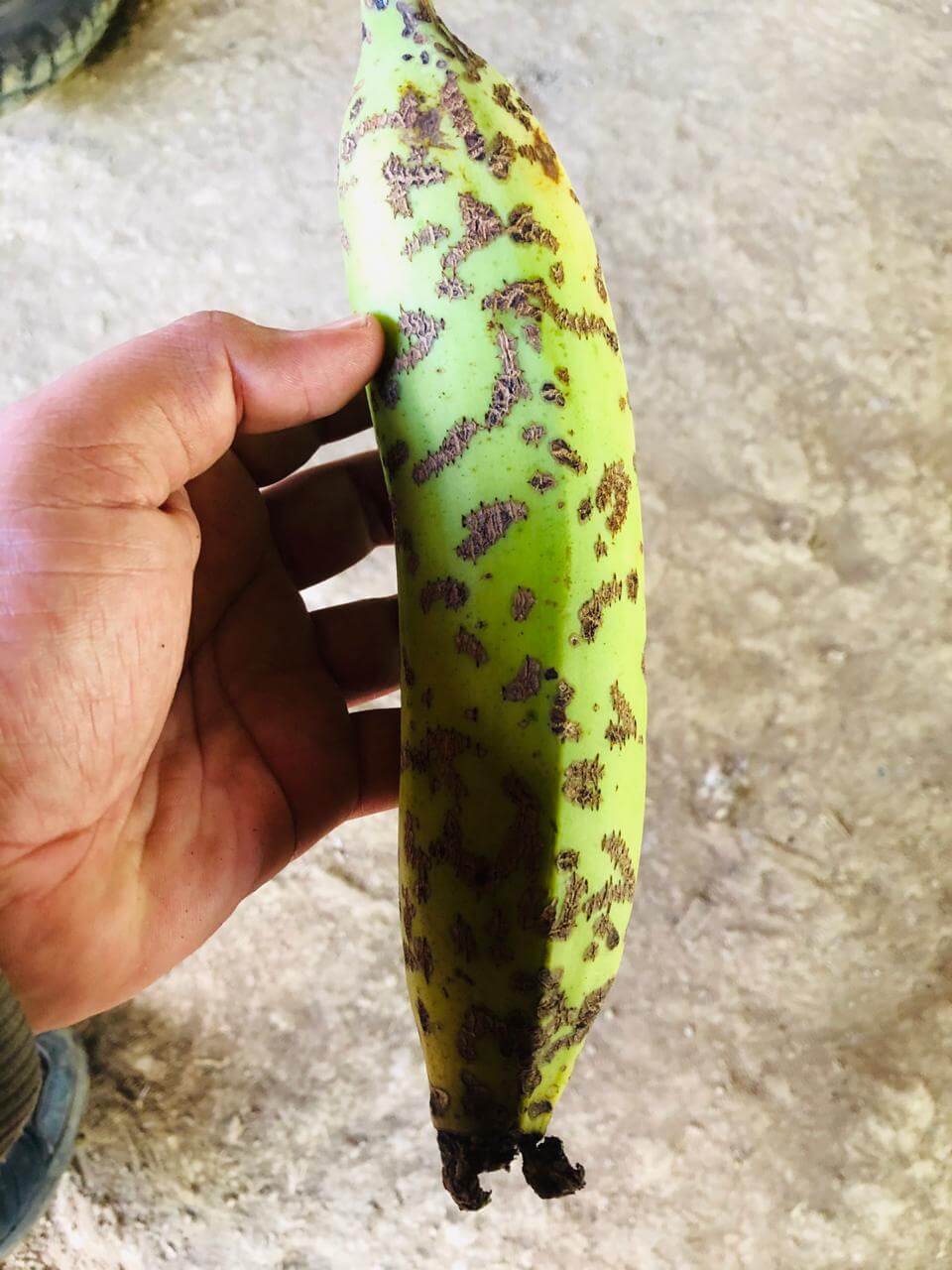
In banana trees, Colaspis hypochlora causes the disease known as scarring beetle. This insect affects both the underground and aerial parts of the plant, since its larvae feed on the roots while the adults pierce the leaves. The loss of plant tissue reduces photosynthetic capacity and the weakening of roots affects the stability and development of the crop. In severe infestations, damage to the leaves can cause drying and premature fall, negatively impacting the production and quality of the crop.
- Irregular perforations on the leaves, with the appearance of small scattered holes.
- Discoloration and weakening of foliage due to loss of plant tissue.
- Reduction in growth and less vigor in young plants.
- Damaged roots with visible lesions caused by larvae feeding.
- Progressive wilting and yellowing of foliage in advanced infestations.
- Premature leaf fall in severe cases.
- Reduction in the production and quality of fruits due to the physiological stress of the plant.


DEVELOPMENT CONDITIONS
Temperature:
23-32°C
Humidity:
65-85%

HOW IS IT SPREAD?
Mobility of adults by flight, passive dispersal through contaminated tools and machinery, soil infested with larvae or pupae, transport of plant material with the presence of eggs

HOW TO ELIMINATE IT?
Home treatments
There are no home treatments
Natural allies
Chemical treatments
There are no treatments for this disease. Treatments are directed at the insect vectors that transmit it. See insect treatments.
RECOMMENDED PRODUCTS TO ELIMINATE THE PEST
Sponsored link
Sponsored link


Sponsored link
Sponsored link
Sponsored link


Sponsored link
Sponsored link
Effective against all types of fungi

Sponsored link


Sponsored link
Sponsored link

Sponsored link


Sponsored link

REPELLENT PLANTS

RECOMMENDATIONS
OTHER PESTS THAT MAY INTEREST YOU


DID YOU LIKE IT?
All this and much more, just a click away. TRY idMicrobe NOW!


