

Higo o higuera
How to recognize and combat black leaf spot on figs
Black Leaf Spot
Fungus
Type:
Risk to the plant:
HIGH
Phoma Sp.
Pathogen:
Micosis/Hongos


WHO CAUSES IT?
Phoma sp. is a genus of phytopathogenic fungi that affects a wide range of host plants. Phoma spores disperse primarily through air and water, facilitating their spread in various environmental conditions. These spores germinate in the presence of humidity, penetrating plant tissues through wounds or natural openings. Once inside the plant, the fungus develops a mycelium that invades the tissue, producing reproduction structures called pycnidia on the surface of the leaves, stems and fruits. The pycnidia release asexual spores called conidia, which perpetuate the infection by being dispersed again by wind and water. This process can be repeated multiple times during the growing season, especially in humid, temperate climates.
.png)
SYMPTOMS
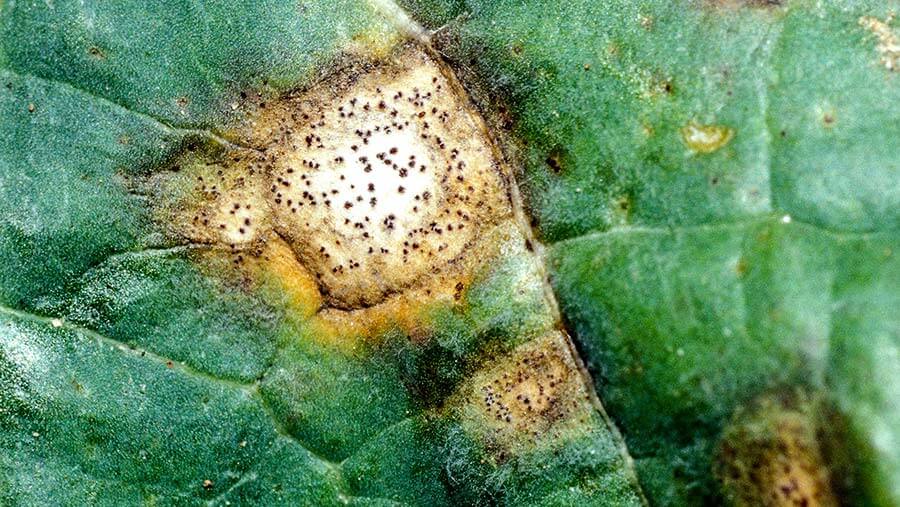
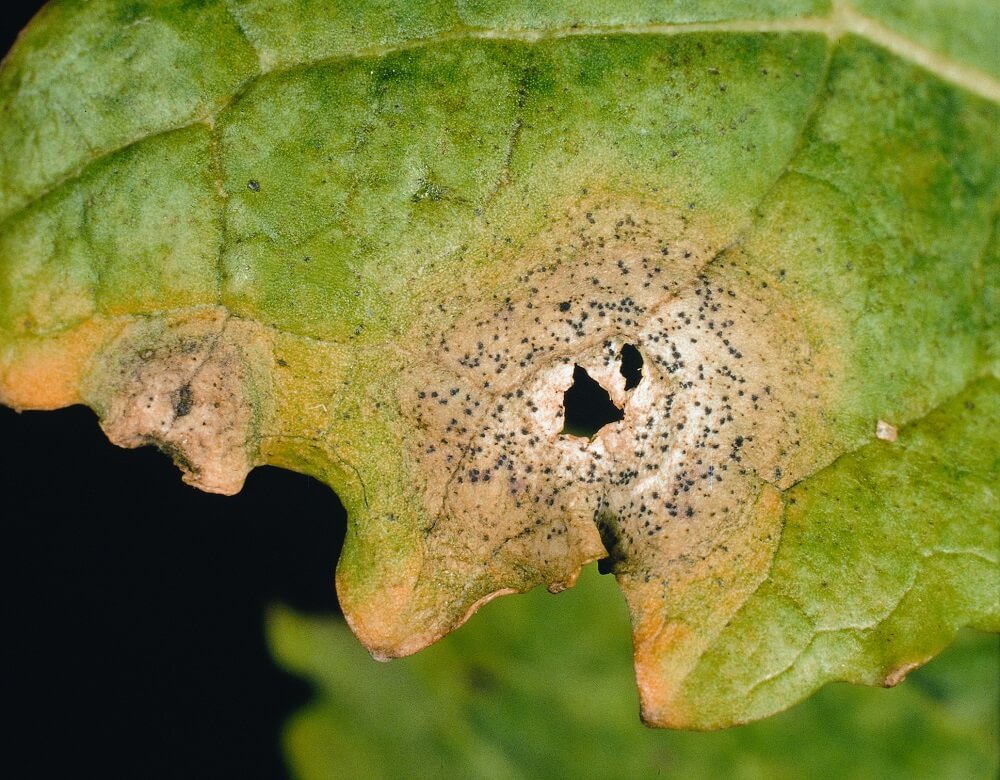
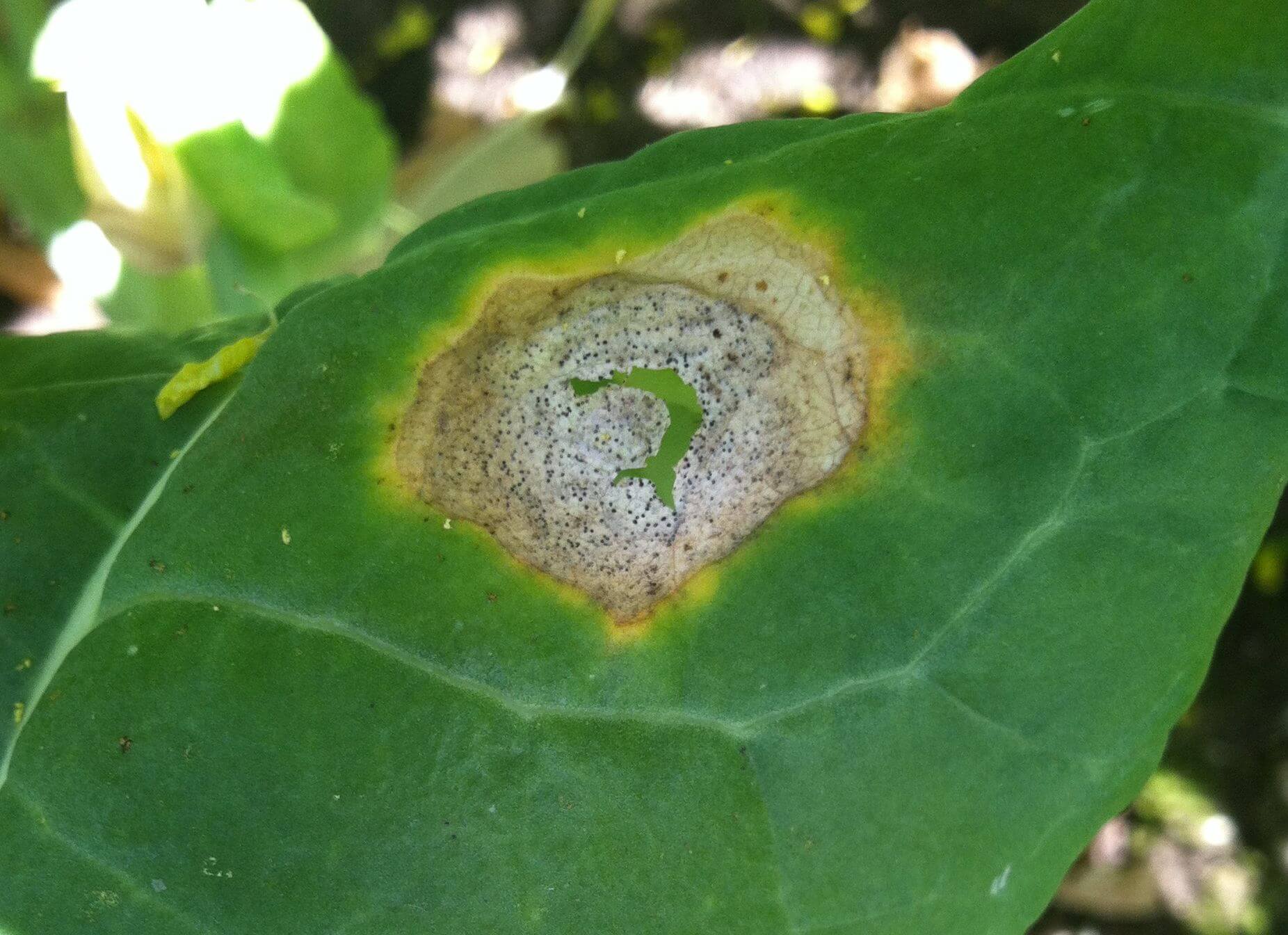
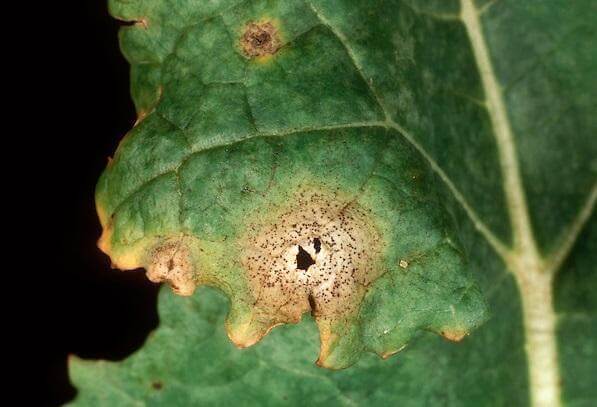
Black leaf spot caused by Phoma sp. In the fig tree it is a disease that can significantly affect the health of the plant and its productive capacity. Infection typically begins on the leaves, where small dark Taches develop and gradually expand.
- Black necrotic Taches on the leaves
- Edges of yellow Taches
- Premature defoliation of affected leaves
- Reduction in the general vigor of the plant
- Lesions on young stems and fruits
- Decrease in the quality and quantity of fruit production


DEVELOPMENT CONDITIONS
Temperature:
15°C - 25°C
Humidity:
70% - 90%

HOW IS IT SPREAD?
Air, Irrigation water, Infected plant remains, Contaminated tools

HOW TO ELIMINATE IT?
Home treatments
There are no home treatments
Natural allies
Chemical treatments
There are no treatments for this disease. Treatments are directed at the insect vectors that transmit it. See insect treatments.
RECOMMENDED PRODUCTS TO ELIMINATE THE PEST
Sponsored link

Sponsored link
Sponsored link


Sponsored link
Sponsored link
Sponsored link
Sponsored link


Sponsored link
Sponsored link
Effective against all types of fungi

Sponsored link
Sponsored link


Sponsored link
Sponsored link

Sponsored link
Sponsored link


Sponsored link

REPELLENT PLANTS

RECOMMENDATIONS
OTHER PESTS THAT MAY INTEREST YOU


DID YOU LIKE IT?
All this and much more, just a click away. TRY idMicrobe NOW!


