

Frutales de pepita
How to recognize and combat phomopsis in pome fruit trees
Phomopsis
Fungus
Type:
Risk to the plant:
HIGH
Phomopsis Prunorum / Diaporthe Eres / Phomopsis Mali
Pathogen:

Micosis/Hongos


WHO CAUSES IT?
Phomopsis prunorum, Diaporthe estars and Phomopsis mali are fungal pathogens responsible for the disease known as Phomopsis in pome fruit trees. These fungi survive the winter in the form of pycnidia in dead or infected plant tissues, such as branches and pruning remains. In spring, when humidity and temperature conditions are suitable, pycnidia release spores (conidia) that are dispersed by rainwater or wind. Conidia germinate on the surface of wounds or natural openings of the plant, rapidly colonizing the tissues and producing mycelium that invades the bark and cambium. During the growing season, the fungus continues to produce pycnidia and conidia, facilitating the spread of the infection. In autumn, the activity of the fungus decreases, preparing for the next season.
.png)
SYMPTOMS
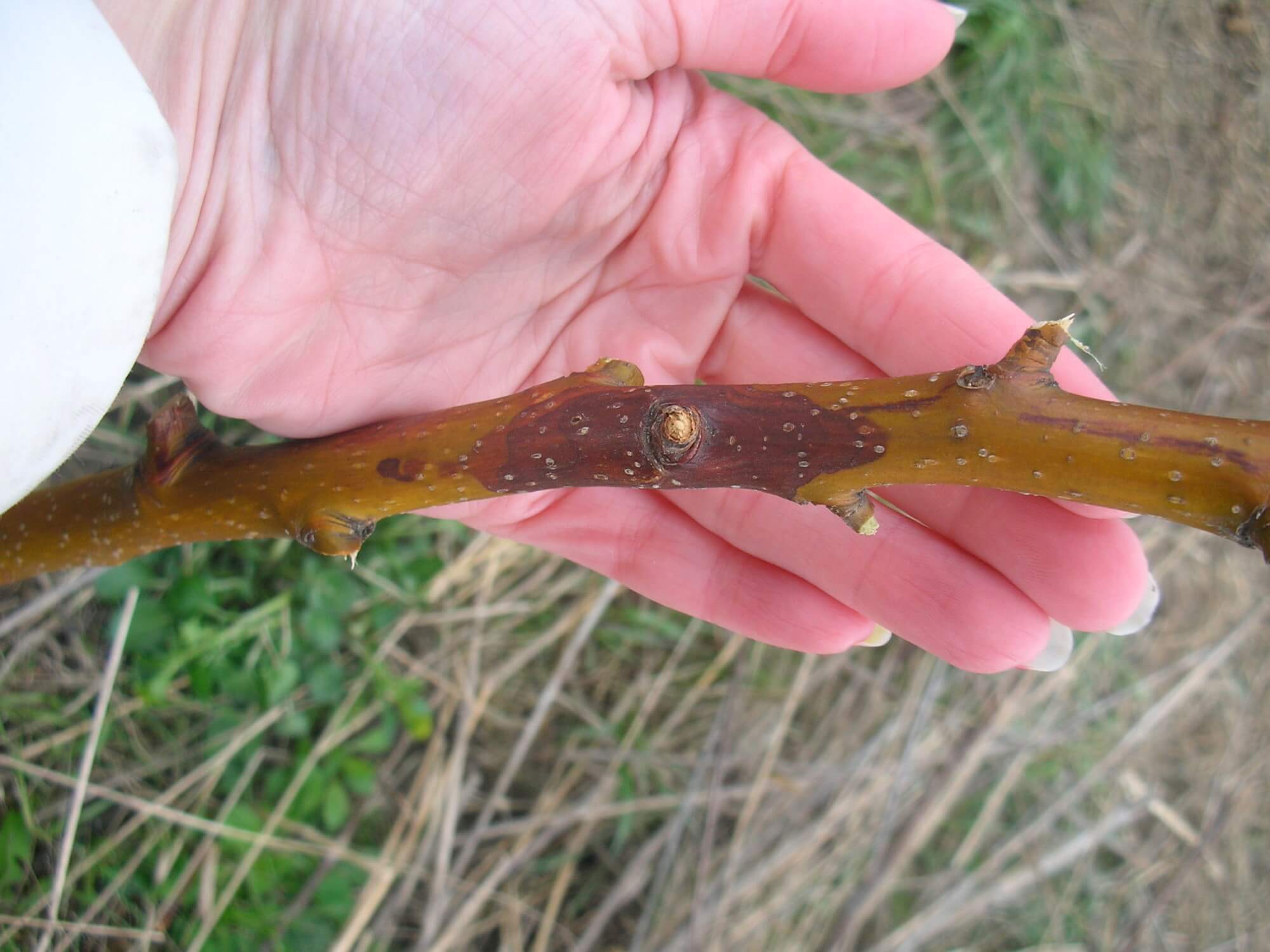
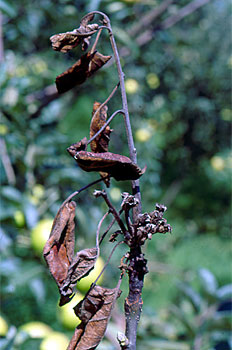
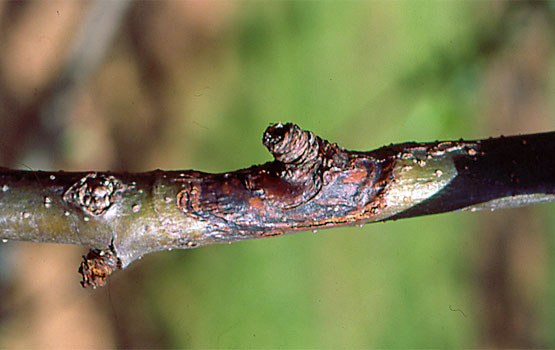
Phomopsis disease affects pome fruit trees, causing significant lesions on branches, leaves and fruits, compromising the vitality of the trees and the quality of the harvest.
- Cankers on branches and stems, which can exude a gum.
- Regressive death of branches and young shoots.
- Dark and depressed Taches on the bark.
- Leaves with necrosis and premature fall.
- Fruits with dark, sunken and dry Taches.
- Reduction in the general vigor of the tree.


DEVELOPMENT CONDITIONS
Temperature:
20-25 °C
Humidity:
70-90 %

HOW IS IT SPREAD?
Spores dispersed by rainwater, wind, contaminated pruning tools, direct contact with infected tissues

HOW TO ELIMINATE IT?
Home treatments
There are no home treatments
Natural allies
Chemical treatments
There are no treatments for this disease. Treatments are directed at the insect vectors that transmit it. See insect treatments.
RECOMMENDED PRODUCTS TO ELIMINATE THE PEST
Sponsored link

Sponsored link
Sponsored link


Sponsored link
Sponsored link
Sponsored link
Sponsored link


Sponsored link
Sponsored link
Effective against all types of fungi

Sponsored link
Sponsored link


Sponsored link
Sponsored link

Sponsored link
Sponsored link


Sponsored link

REPELLENT PLANTS

RECOMMENDATIONS
OTHER PESTS THAT MAY INTEREST YOU


DID YOU LIKE IT?
All this and much more, just a click away. TRY idMicrobe NOW!


