

Patata
How to recognize and treat potato brown rot or bacterial wilt
Potato Brown Rot Or Bacterial Wilt
Bacterium
Type:
Risk to the plant:
CRITICAL
Ralstonia Solanacearum
Pathogen:
Bacteriosis


WHO CAUSES IT?
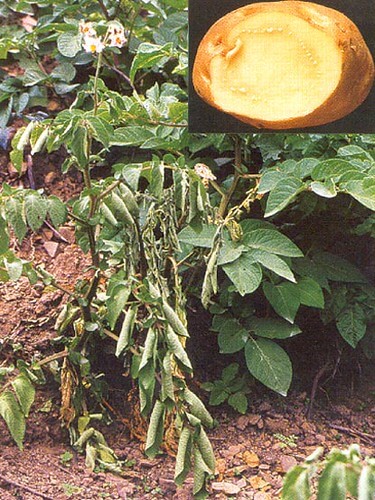
Ralstonia solanacearum is a phytopathogenic bacteria that causes the disease known as potato brown rot or bacterial wilt. The bacteria grow in soil and can survive in adverse conditions for long periods. Ralstonia solanacearum can infect potato plants through roots, wounds or lesions on the plant. Once inside, the bacteria moves through the vascular system, blocking the conductive vessels and causing the plants to wilt.
.png)
SYMPTOMS
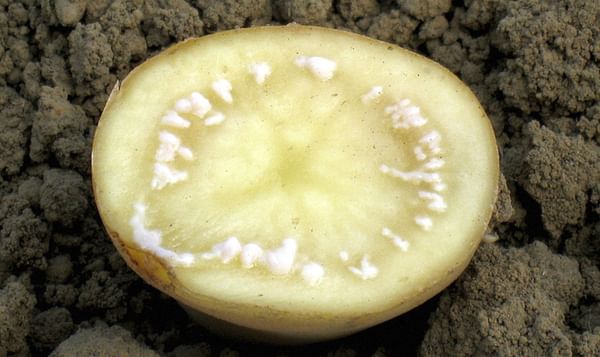
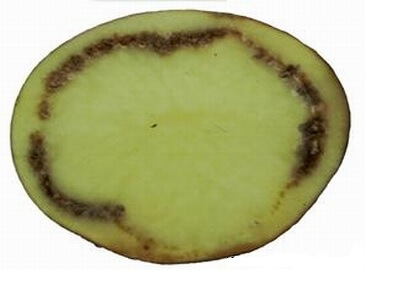
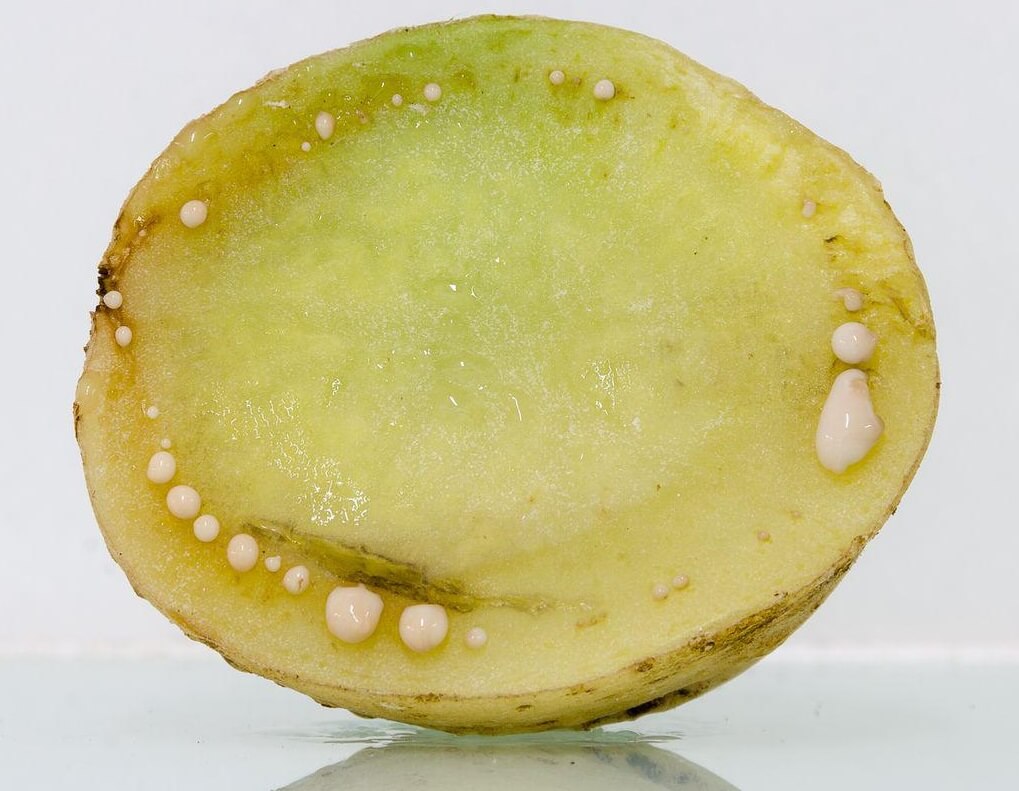
The disease caused by Ralstonia solanacearum produces a variety of symptoms in potatoes. Symptoms include wilting and yellowing of the leaves, starting with the lower ones, and brown rot of the tubers. Infection in the tubers can cause tissue decomposition and a dark color in the pulp, reducing the quality and quantity of the harvest.
• Wilting and yellowing of leaves, especially on young shoots.
• Brown rot of tubers.
• Decomposition of tissues and dark color in the pulp.
• Reduction in the quality and quantity of the harvest.


DEVELOPMENT CONDITIONS
Temperature:
24°C - 35°C
Humidity:
75% - 100%

HOW IS IT SPREAD?
Contaminated soil, contaminated irrigation water, contaminated growing tools, direct contact with infected plants or tubers.

HOW TO ELIMINATE IT?
Home treatments
There are no home treatments
Natural allies
Chemical treatments
There are no treatments for this disease. Treatments are directed at the insect vectors that transmit it. See insect treatments.
RECOMMENDED PRODUCTS TO ELIMINATE THE PEST
Sponsored link

Sponsored link
Sponsored link


Sponsored link
Sponsored link
Sponsored link
Sponsored link


Sponsored link
Sponsored link
Effective against all types of fungi

Sponsored link
Sponsored link


Sponsored link
Sponsored link

Sponsored link
Sponsored link


Sponsored link

REPELLENT PLANTS

RECOMMENDATIONS
OTHER PESTS THAT MAY INTEREST YOU


DID YOU LIKE IT?
All this and much more, just a click away. TRY idMicrobe NOW!


