

Frutales de pepita
How to recognize and combat serpeta in pome fruit trees
Serpeta
Insect
Type:
Risk to the plant:
HIGH
Lepidosaphes Ulmi / Mytilococcus Ulmi
Pathogen:
Insectos


WHO CAUSES IT?
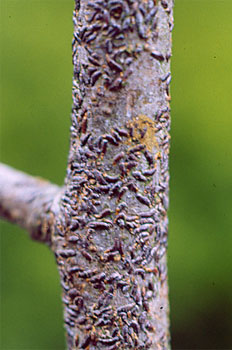
Lepidosaphes ulmi, also known as the apple snake, is an insect belonging to the Diaspididae family. This insect spends the winter as a nymph attached to the bark of fruit trees. In spring, adult females emerge, feed, and begin laying eggs under their protective shield, which is a waxy shell. Each female can deposit between 50 and 100 eggs, from which nymphs emerge over a period of 2 to 3 weeks. The young nymphs, known as "crawlers", move briefly in search of a suitable place to settle and begin feeding. These nymphs transform into adults within a few weeks and continue the cycle, producing several generations a year, depending on weather conditions. Feeding by nymphs and adults causes significant damage to the host plant, weakening it and reducing its vigor.
.png)
SYMPTOMS
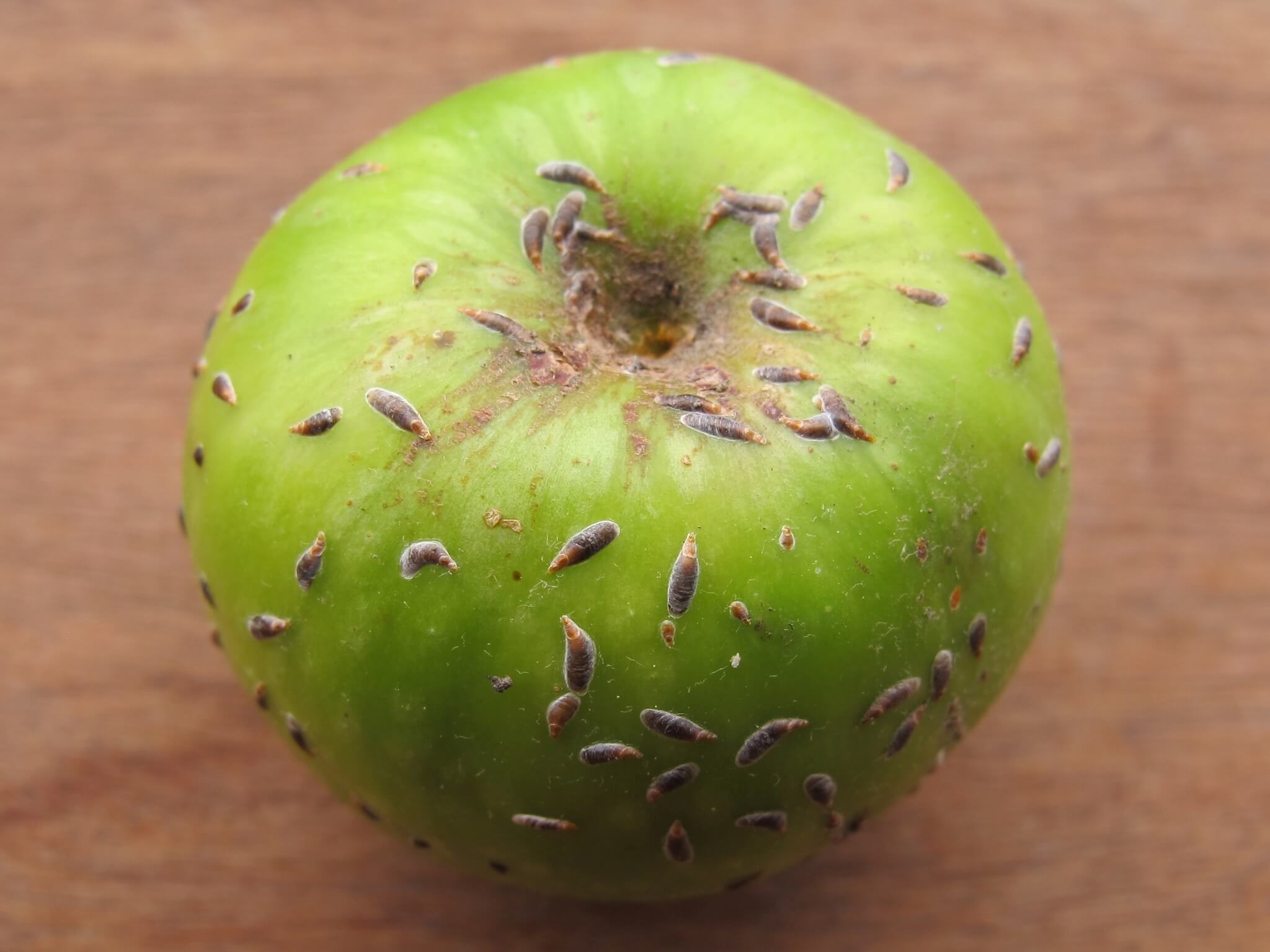
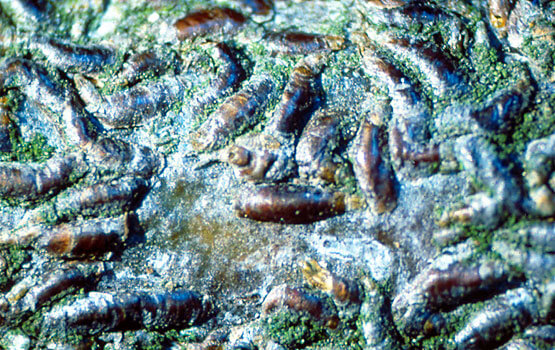
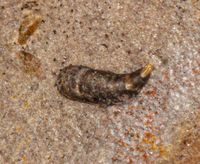
The serpeta caused by Lepidosaphes ulmi affects pome fruit trees, causing a disease that manifests mainly in the bark, branches and fruits. Initial symptoms include the appearance of small white dots that turn into necrotic Taches, and as the infestation progresses, scabs and deformations form on the affected tissues.
- White Taches and scabs on the bark and branches
- Deformations in the bark and branches
- Reduction in the growth of new branches
- Premature fruit drop
- Loss of vigor in the tree
- Decrease in production and quality of fruits
- Death of severely affected branches


DEVELOPMENT CONDITIONS
Temperature:
20-30°C
Humidity:
60-80%

HOW IS IT SPREAD?
Wind, birds, contaminated pruning tools, physical contact with infested plants, transplanting infected plants

HOW TO ELIMINATE IT?
Home treatments
There are no home treatments
Natural allies
Chemical treatments
There are no treatments for this disease. Treatments are directed at the insect vectors that transmit it. See insect treatments.
RECOMMENDED PRODUCTS TO ELIMINATE THE PEST
Sponsored link

Sponsored link
Sponsored link


Sponsored link
Sponsored link
Sponsored link
Sponsored link


Sponsored link
Sponsored link
Effective against all types of fungi

Sponsored link
Sponsored link


Sponsored link
Sponsored link

Sponsored link
Sponsored link


Sponsored link

REPELLENT PLANTS

RECOMMENDATIONS
OTHER PESTS THAT MAY INTEREST YOU


DID YOU LIKE IT?
All this and much more, just a click away. TRY idMicrobe NOW!


