


Products and treatments to eliminate ants from plants
How to recognize, treat and eliminate ants from plants
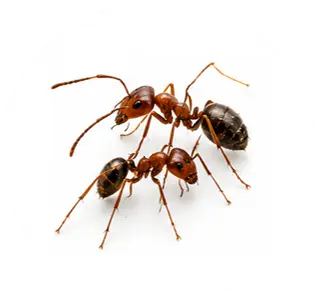
Ants can appear around plants, on the substrate, stems and branches. Although many species do not feed directly on the plant, their presence may be associated with other pests that produce honeydew, such as aphids and scale insects. Controlling their access to the above-ground parts helps protect the plant and prevents ants from continuing to favor the presence of these pests.
How to recognize ants on plants?
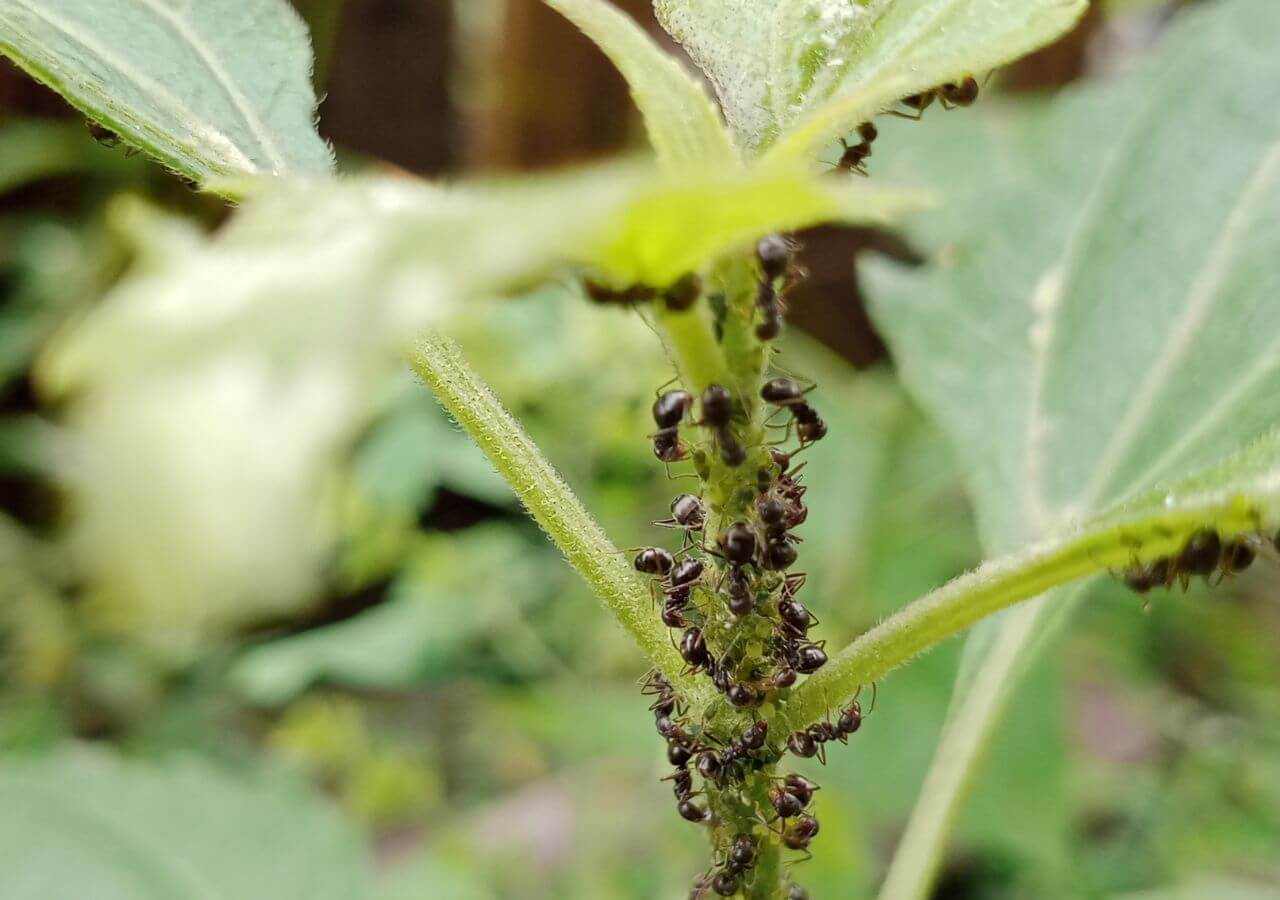
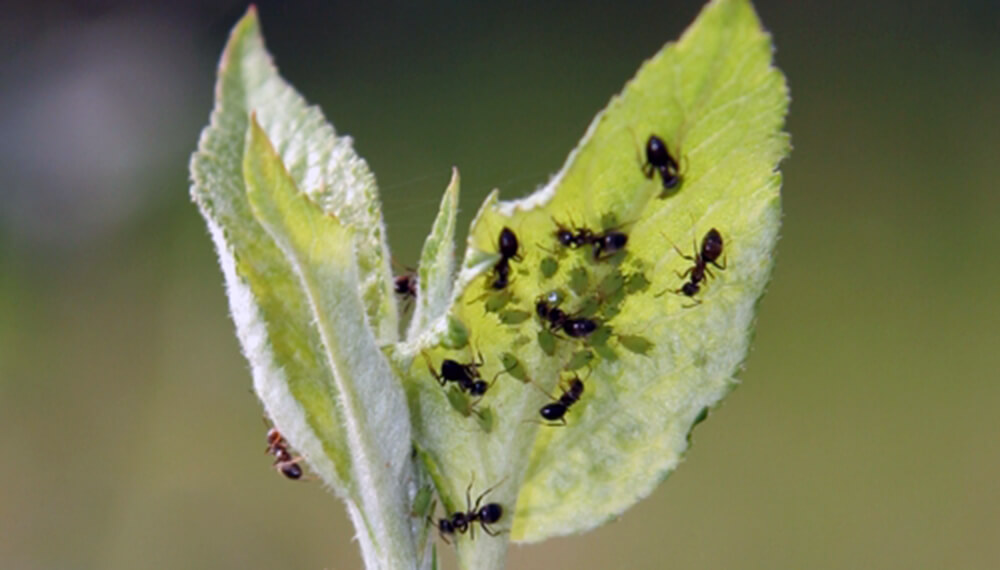
Ants are easy to observe when they move across the substrate, stems or branches. The problem is usually detected by the repeated presence of several ants following the same routes towards the plant.
The main signs are:
• Ants walking on the substrate around the plant.
• Ants repeatedly climbing up the trunk or stems.
• Constant movement of ants towards the leaves and young shoots.
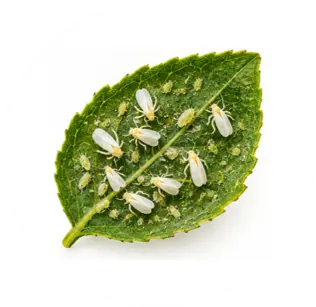
• Ants concentrated around aphids, scale insects or other honeydew-producing insects.
• Presence of a sticky substance on leaves and stems associated with these pests.
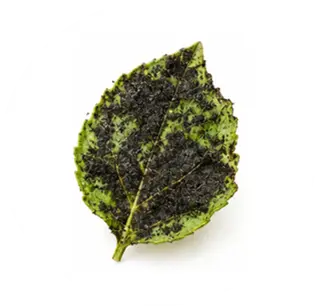
• Subsequent appearance of a dark layer of sooty mold on surfaces covered with honeydew.
Do not confuse with other insects that appear on the plant
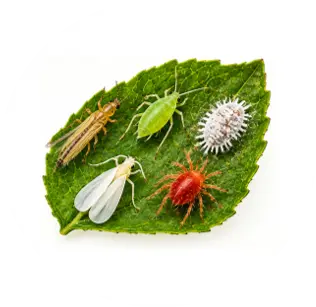
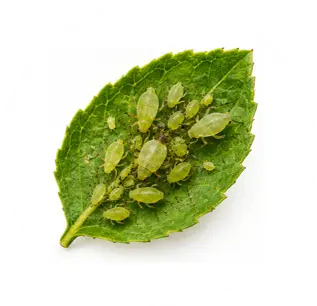
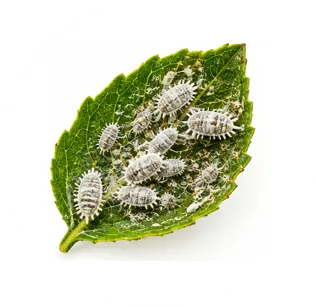
In this case, the characteristic sign is their behavior: ants actively move along routes between the substrate and the above-ground parts of the plant. When they concentrate around colonies of aphids or scale insects, the presence of honeydew explains their activity. Aphids normally remain grouped on young shoots and leaves, while scale insects may appear attached to stems, branches and leaves.
Therefore, observing ants on the plant may also be a sign that another pest is producing the sugary substance that attracts them.
Treatments to eliminate ants from plants
Ant control should focus on reducing their presence around the plant and preventing them from easily accessing leaves and branches. Diatomaceous earth can be used in areas where they move, while sticky barriers make it difficult for them to climb the trunk or stems. In addition, when ants are associated with aphids, scale insects or other honeydew-producing pests, controlling their access to the plant helps reduce this interaction.
The main recommendations and treatments are:
• Locate the ant nest: identifying the areas where ants enter and leave makes it possible to act directly on their routes and reduce their presence around the plant.
• Diatomaceous earth: helps reduce the presence of ants when they come into contact with its particles. It can be applied as a thin layer on the substrate and in dry areas where ants usually move. To maintain its physical effect, it is important that it remains dry.
• Sticky barriers: placing adhesive tape or sticky barriers around trunks and stems creates a physical barrier that makes it difficult for ants to climb towards the leaves and branches. They are especially useful when ants are protecting aphids, scale insects or other honeydew-producing pests.
• Control associated pests: if ants are present together with aphids, scale insects or other honeydew-producing pests, controlling these pests helps reduce the reason why ants remain on the plant.
Products for treating ants

Other common problems
Discover the most common problems and select the one that interests you.



Explore more tools
Services
Contact
Legal
©2023 por ZeriMar Laboratoire. Todos los derechos reservados.