


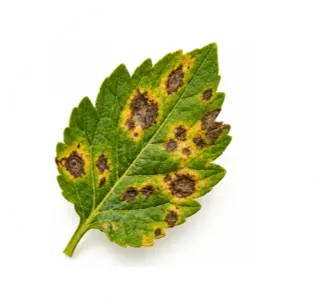
Products and treatments to eliminate fungi from plants
How to recognize, treat and eliminate fungi from plants
Diseases caused by fungi can affect the leaves, stems, roots and fruits of plants. Their appearance is often favored by humidity, insufficient ventilation or environmental conditions that allow the fungus to develop and spread. Acting quickly when the first lesions appear helps limit their progression and protect the healthy parts of the plant.
How to recognize fungi on plants?
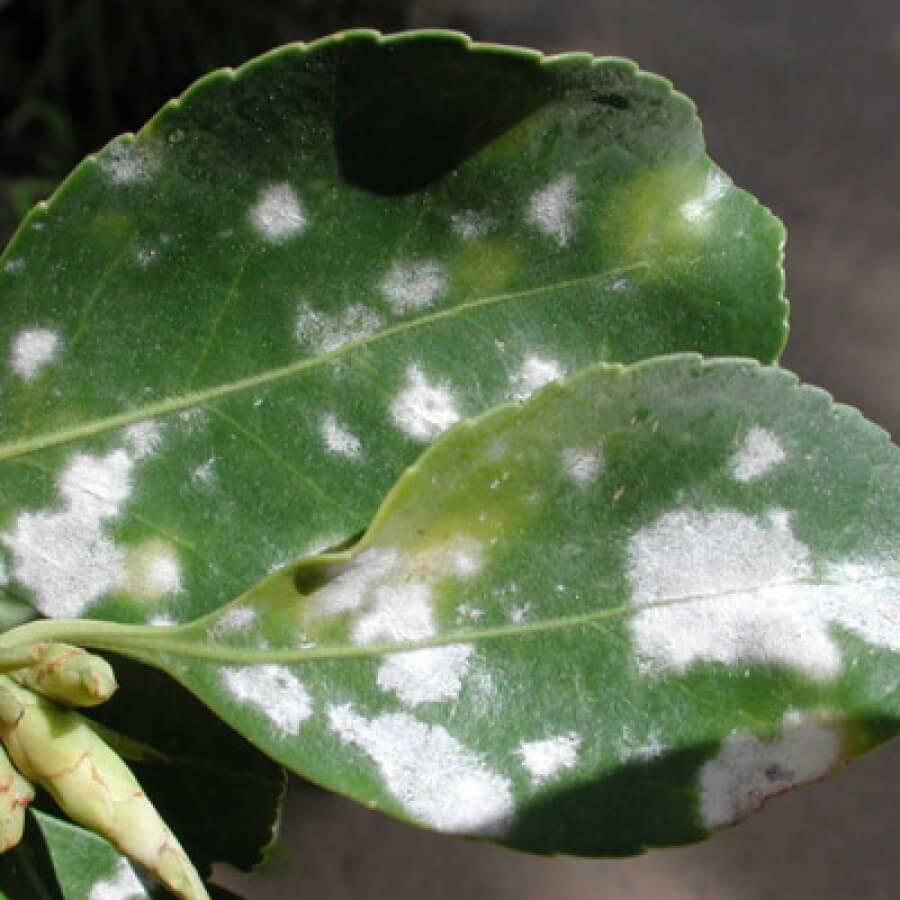
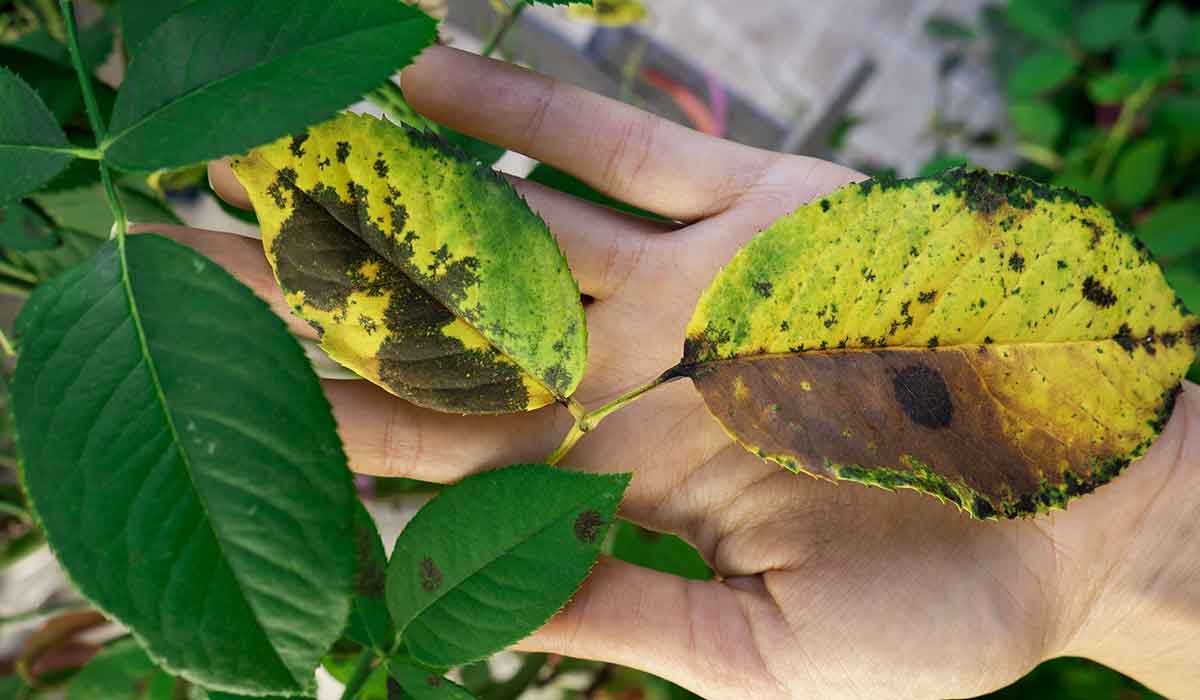
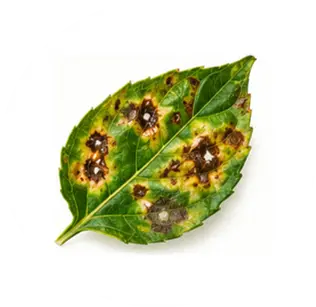
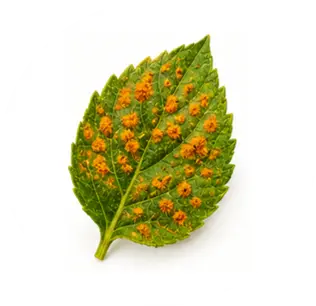
Diseases caused by fungi can produce different types of lesions depending on the plant and the responsible agent. The first symptoms usually appear as small spots, discolorations or areas of altered tissue that can progressively increase in size. Under favorable conditions, especially with adequate humidity and temperatures, the infection can progress rapidly and affect a significant part of the plant.
Main signs:
• Circular, oval or irregular spots on the leaves.
• Yellow, brown, black or reddish areas that progressively increase in size.
• Lesions that develop from small initial spots.
• Spots with rings, concentric areas or different shades in some diseases.
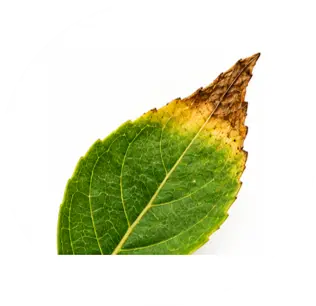
• Leaves that progressively dry out from the affected areas.
• Rot on leaves, stems, roots, flowers or fruits.
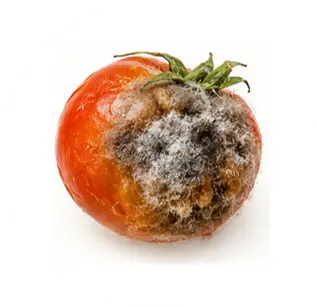
• Presence of mycelium, mold or visible sporulation structures in certain diseases.
• Premature dropping of leaves, flowers or fruits.
• Progressive weakening of the plant as the infection advances.
Do not confuse with bacterial damage
Lesions caused by fungi can resemble those caused by bacteria, but there are some signs that can help differentiate them. Spots caused by fungi are usually dry and may even have dark spots, rings or mold inside them. In contrast, spots caused by bacteria are usually smaller, grow rapidly, have a water-soaked ring around them and several spots often appear on the same leaf, like splashes of water.
Treatments to eliminate fungi from plants
Fungicides are the specific tool for controlling diseases caused by fungi. When the first spots or lesions appear, acting quickly helps limit the progression of the disease and protect the healthy parts of the plant. In addition to treatment, removing severely affected areas and maintaining good ventilation and irrigation conditions helps reduce disease pressure.
The main recommendations and treatments are:
• Remove severely affected parts: removing leaves, stems or fruits that show significant damage helps reduce infection sites and prevents the disease from continuing to spread throughout the plant.
• Improve ventilation: maintaining good air circulation around the plant helps reduce humidity and allows the leaves to remain dry, creating less favorable conditions for fungal development.
• Avoid wetting the leaves: watering directly onto the substrate helps keep the foliage dry and reduces the possibility that water will favor the spread of the disease.
• Chemical fungicide: this is an effective option when the plant has an active fungal disease and symptoms are already visible. It acts on essential processes for fungal development and allows numerous fungal diseases to be controlled.
• Copper: provides contact protection on the surface of leaves, stems and fruits and has fungicidal and bactericidal action. It is especially useful as a preventive treatment and for protecting the plant against new infections.
Products for treating fungi

Other common problems
Discover the most common problems and select the one that interests you.



Explore more tools
Services
Contact
Legal
©2023 por ZeriMar Laboratoire. Todos los derechos reservados.