


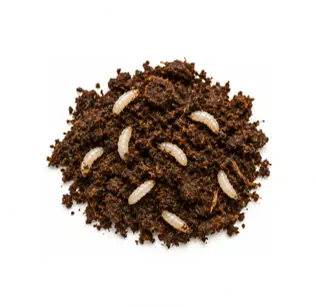
Products and treatments to eliminate worms and larvae from plant substrate
How to recognize, treat and eliminate worms and larvae from plant substrate
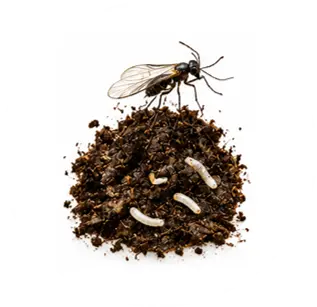
The worms or larvae that appear in plant substrate are, in most cases, larvae of different types of insects that live or develop in the soil. These may include larvae of flies, beetles, mosquitoes and other insects. Some species remain in the substrate for part of their life cycle and may feed on organic matter, other organisms present in the soil or plant roots, causing serious problems and even plant death.
How to recognize worms and larvae in plant substrate?
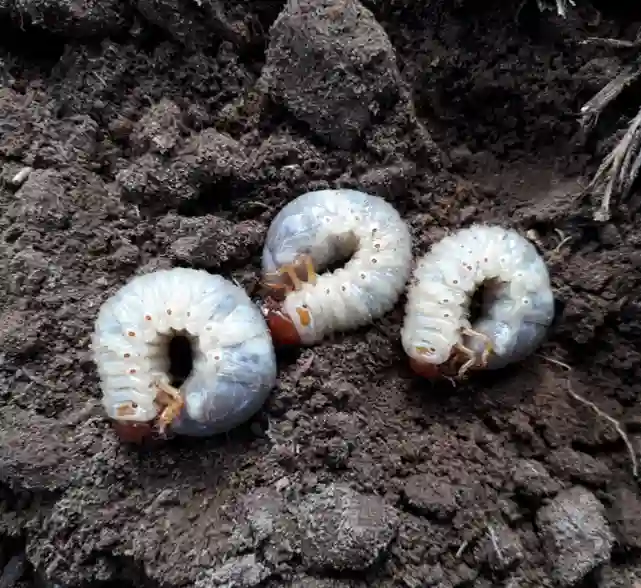
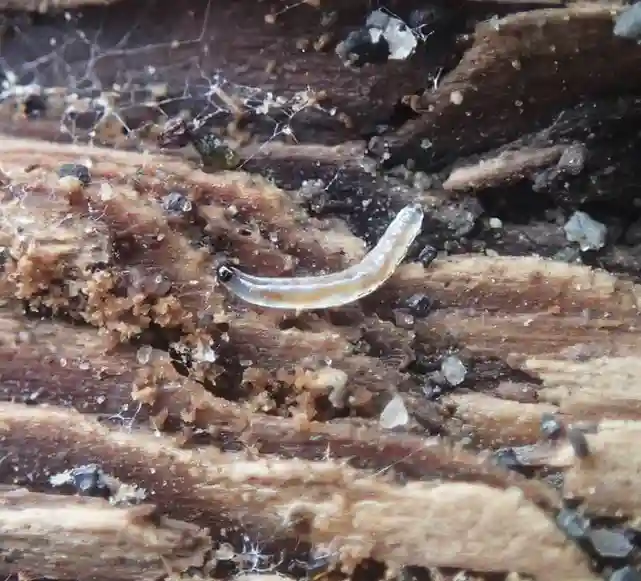
Organisms present in the substrate are not always easy to identify with the naked eye. Some insect larvae can be observed directly when the soil is disturbed, while in other cases their presence is first detected through the damage they cause to the roots or through the progressive weakening of the plant.
Main signs:
• Presence of small worms or larvae visible when the substrate is disturbed.
• Larvae concentrated near the roots.
• Roots that are chewed, perforated or have damaged areas.
• Plants that lose vigor even when they receive water and nutrients correctly.
• Slow growth or progressive weakening.
• Wilting that does not appear to be explained by lack of irrigation.
• In some cases, the presence of small flies around the substrate, especially when fungus gnat larvae are present.
Do not confuse with nematodes
Nematodes are microscopic organisms and, under normal conditions, cannot be observed as small worms when the soil is disturbed. Therefore, finding clearly visible worm-like organisms in the substrate is not a characteristic of a nematode infestation.
The damage caused by nematodes is mainly related to the roots and can cause weakening, reduced growth, deformities, galls, root lesions and a progressive loss of vigor. These symptoms can appear even when the plant receives sufficient water and nutrients.
In contrast, many insect larvae that live in the substrate can be observed directly and, depending on the species, may have visible characteristics such as a distinct head, legs, coloration, segmentation or a size that is clearly visible to the naked eye. Some feed on roots and cause bites, perforations or clearly visible damage.
Treatments to eliminate worms and larvae from plant substrate
Biological control nematodes are a particularly suitable solution for controlling worms and larvae found in the substrate. These microscopic organisms move through the soil until they locate the larvae, penetrate them and release associated bacteria that cause their death. In this way, the treatment acts directly where the problem is located and helps reduce the larval population around the roots.
The main recommendations and treatments are:
• Inspect the substrate: checking for larvae, worms or root damage helps detect the problem and makes it possible to act directly on the affected area.
• Keep the substrate moist: after applying the nematodes, it is important to maintain adequate moisture to facilitate their movement through the substrate and help them reach the larvae.
• Biological control nematodes: they are an effective option for reducing the population of worms and larvae present in the substrate. They are applied directly with irrigation water and act by searching for larvae in the root zone. They are especially useful when root damage or a significant presence of larvae is already observed.
Products for treating soil-dwelling larvae

Other common problems
Discover the most common problems and select the one that interests you.



Explore more tools
Services
Contact
Legal
©2023 por ZeriMar Laboratoire. Todos los derechos reservados.