


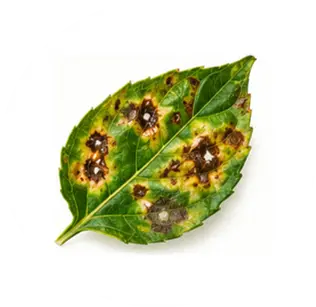
Products and treatments to combat bacteria in plants
How to recognize, treat and prevent bacterial diseases in plants
Bacteria can cause different diseases in plants and affect leaves, stems, fruits or roots. Symptoms can vary considerably depending on the plant, but spots, damaged areas or changes in the appearance of the tissues often appear. Detecting the problem early helps prevent it from spreading to other parts of the plant.
How to recognize bacteria on plants?
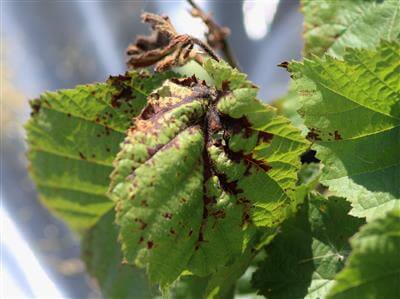
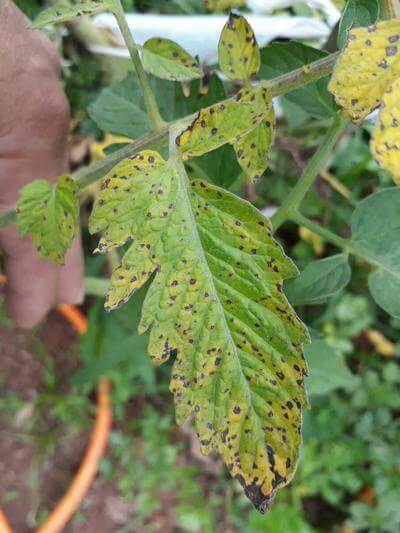
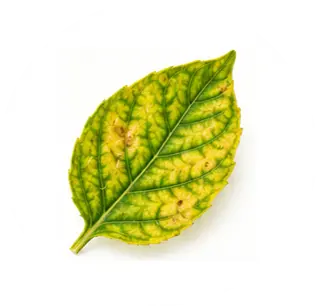
Bacterial diseases can produce spots and lesions that progressively increase. In some cases, the affected areas appear wet or darken rapidly. Damage can also appear on stems, fruits or shoots, depending on the affected plant.
The main symptoms are:
• Dark or wet-looking spots on the leaves.
• Small lesions that progressively increase in size.
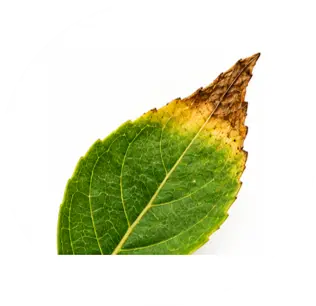
• Yellowish areas around some spots.
• Leaves that become deformed, dry out or eventually fall.
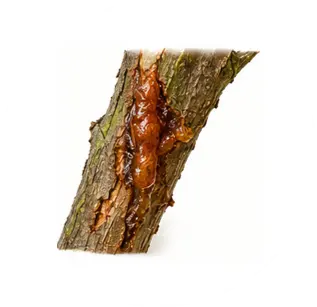
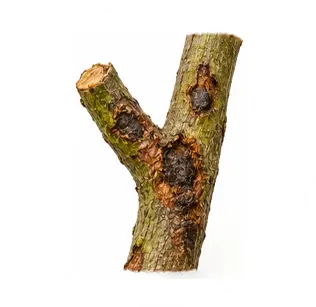
• Lesions or dark areas on stems and shoots.
• Spots or rotting on fruits.
• General weakening of the plant.
• Water-soaked areas and possible unpleasant odor.
Do not confuse with fungi, viruses or environmental damage
The symptoms of bacterial diseases can be confused with those caused by fungi, viruses or environmental damage, as all of them can produce spots, lesions, necrosis, deformities or deterioration of plant tissues. However, the cause and the way the damage develops are different.
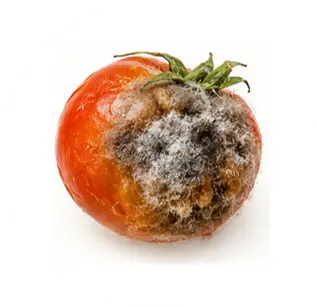
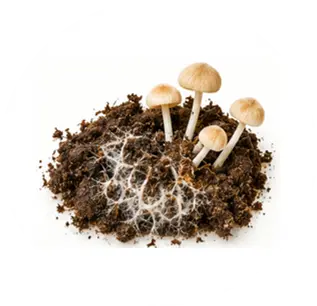
Bacteria often cause wet or water-soaked lesions, spots that may have irregular edges, exudates or areas of dead tissue, and under certain conditions they can progress rapidly. Fungi can produce spots and necrosis that are normally circular, often develop mycelium, mold or visible reproductive structures, and have a slower and drier development.
Viruses mainly cause mosaics, mottling, chlorosis, deformities and generalized growth alterations, without themselves producing exudates or water-soaked areas; they also tend to have a visible pattern and affect the entire plant or entire branches; and environmental damage, such as cold, heat, salinity, phytotoxicity or water stress, usually presents patterns that affect the entire plant or almost the entire plant.
Treatments to combat bacteria in plants
Bacterial diseases can progress rapidly when conditions are favorable, especially with high humidity, water on the leaves or wounds in plant tissues. Therefore, when the first symptoms appear, it is important to act to limit their development and prevent the bacteria from continuing to spread through the plant.
The main recommendations and treatments are:
• Remove affected parts: removing severely damaged leaves, stems or fruits helps eliminate sources of infection and reduces the possibility of the bacteria spreading to healthy parts of the plant.
• Avoid wetting the leaves: watering directly onto the soil or growing medium helps reduce moisture on the vegetation and limits the spread of many bacteria from one leaf to another.
• Improve ventilation: maintaining good air circulation around the plants helps reduce humidity and promotes faster drying of the leaves.
• Copper: a common option for preventing and helping to control certain bacterial diseases. It can be used especially when the first symptoms appear or as part of a preventive strategy, helping to protect healthy tissues and limit the spread of the bacteria.
Products for treating bacteria

Other common problems
Discover the most common problems and select the one that interests you.




Explore more tools
Services
Contact
Legal
©2023 por ZeriMar Laboratoire. Todos los derechos reservados.