


Products and treatments to eliminate Botrytis from plants
How to recognize, treat and prevent Botrytis on plants
Botrytis, also known as gray mold, is a disease that can affect many plants, especially when there is high humidity and poor ventilation. It can appear on leaves, flowers, stems and fruits, causing areas that deteriorate quickly.
How to recognize Botrytis on plants?
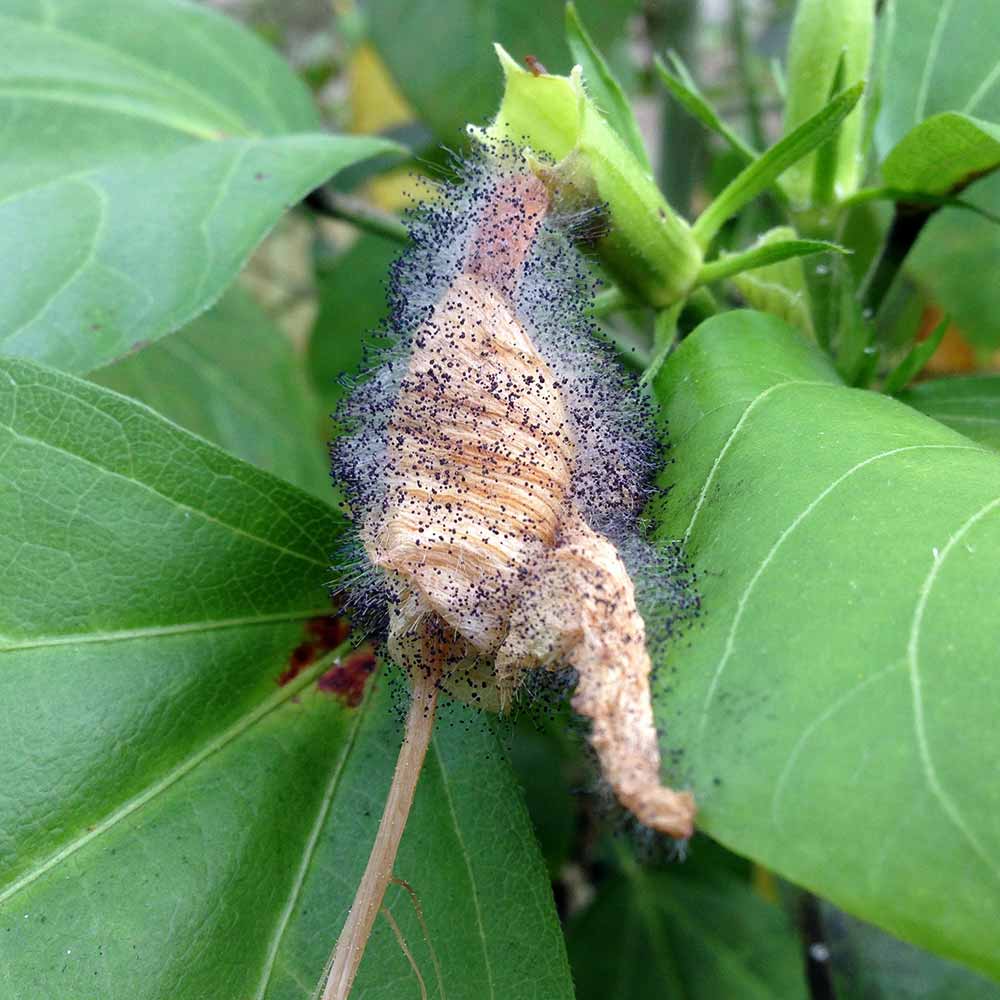
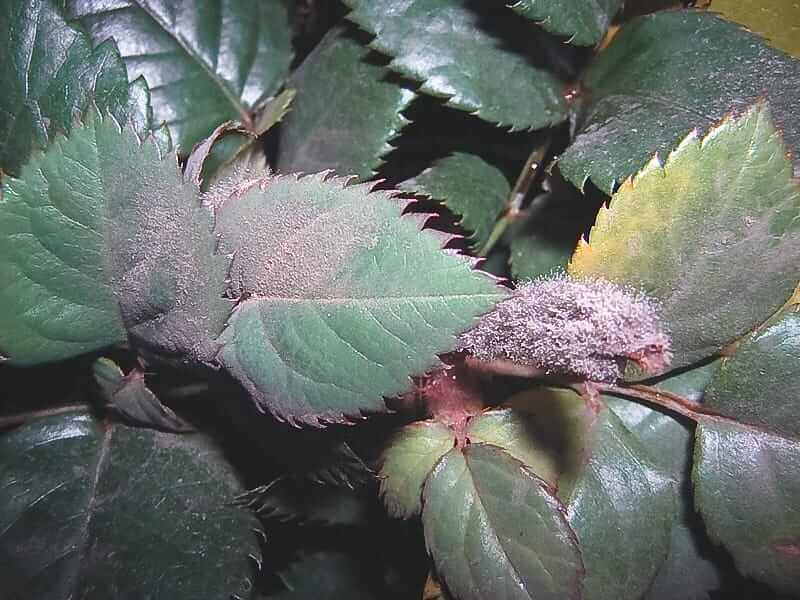
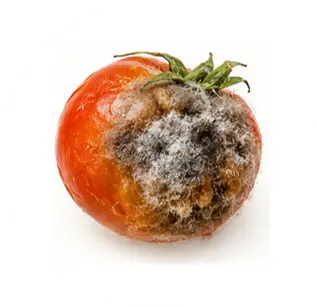
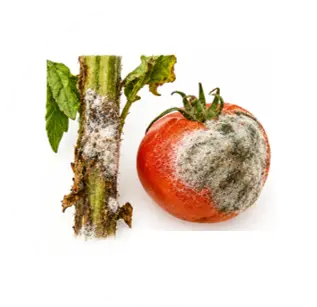
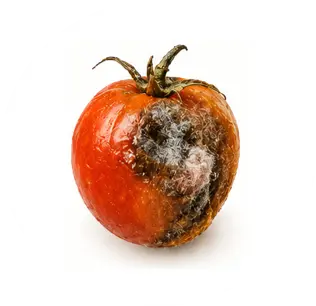
Botrytis usually begins with small damaged areas that progressively increase in size. As the disease advances, a characteristic grayish layer appears on the affected parts. It is especially common on flowers, fruits and soft tissues.
The main symptoms are:
• Brown spots or soft areas on leaves, flowers or fruits.
• Rot that progresses rapidly.
• Flowers that wilt and deteriorate.
• Fruits with soft and rotten areas.
• Appearance of a gray-colored layer or fuzzy growth over the affected areas (its main characteristic).
• Stems with dark or damaged areas.
• Falling of flowers, leaves or fruits when the problem is advanced.
Do not confuse with powdery mildew and other fungi
Botrytis can be confused with other fungal diseases because different fungi can cause spots, necrosis, rotting or visible growth on plant tissues. However, the type of lesion and the appearance of the growth help distinguish them.
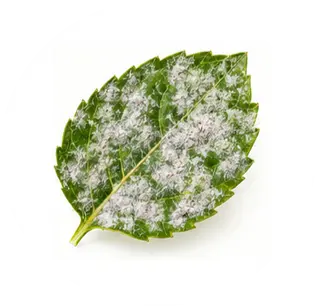
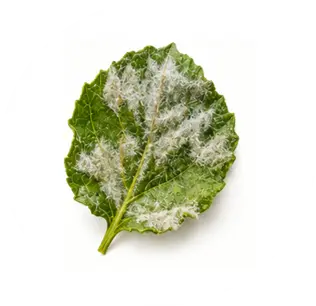
Powdery mildew is mainly characterized by a whitish, powdery-looking layer on the surface of leaves, shoots or fruits. In contrast, Botrytis usually begins by producing soft, wet or necrotic areas that develop into rot, and under favorable conditions a grayish, mold-like layer may appear on the affected parts.
Treatments to eliminate Botrytis from plants
Botrytis develops easily under conditions of high humidity and poor ventilation, so reducing humidity around the plant is one of the most important measures for controlling the disease. When the first symptoms appear, removing the affected parts helps eliminate infection sources and limit their spread. Copper can be used as a preventive option on certain plants, while when the disease is already present, it may be necessary to use a specific fungicide authorized for the crop.
The main recommendations and treatments are:
• Remove affected parts: removing leaves, flowers or fruits showing Botrytis helps eliminate infection sources and prevents the fungus from continuing to spread to healthy parts of the plant.
• Reduce humidity: avoid excessive humidity and try to keep the leaves dry, as this makes it more difficult for Botrytis to develop. It is also advisable to avoid wetting the foliage during watering.
• Improve ventilation: maintaining good air circulation around the plant promotes faster drying of the leaves and reduces conditions favorable to fungal development.
• Copper: it is mainly a preventive option that helps protect the plant surface against certain fungal diseases. It is especially useful for keeping healthy tissues protected.
• Specific fungicide: it can be used when Botrytis is already present and symptoms are visible. It is an effective option for controlling fungal development and limiting the progression of the disease.
Products for treating Botrytis

Other common problems
Discover the most common problems and select the one that interests you.



Explore more tools
Services
Contact
Legal
©2023 por ZeriMar Laboratoire. Todos los derechos reservados.