


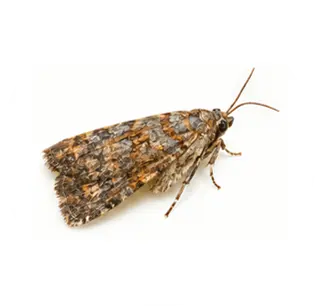
Moths on plants: how to recognise and control them
How to identify moths and protect your plants
Moths are small lepidopterans whose adults are usually more active at night, while their larvae, known as caterpillars, are responsible for most of the damage to plants. They can feed on leaves, shoots, flowers and fruit, causing holes, bites and loss of plant tissue. Some species can also remain hidden between leaves or inside fruit and other plant organs, making them difficult to detect during the early stages. Because they can cause damage rapidly, it is important to recognise the first signs and act as soon as possible to prevent the caterpillars from increasing in number and significantly affecting the plant.
How to recognise moths
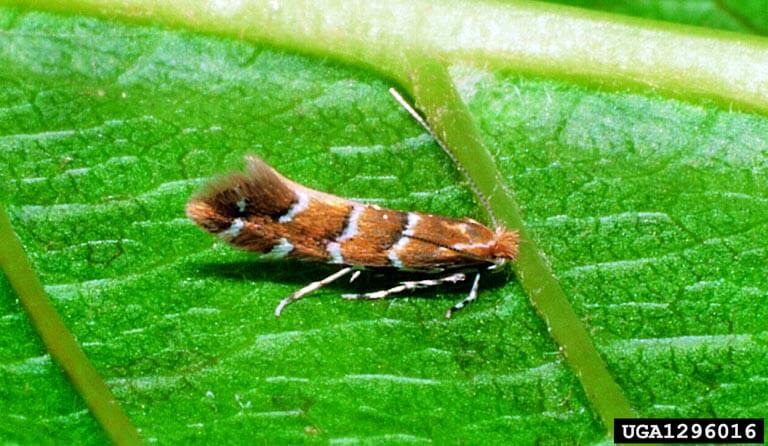
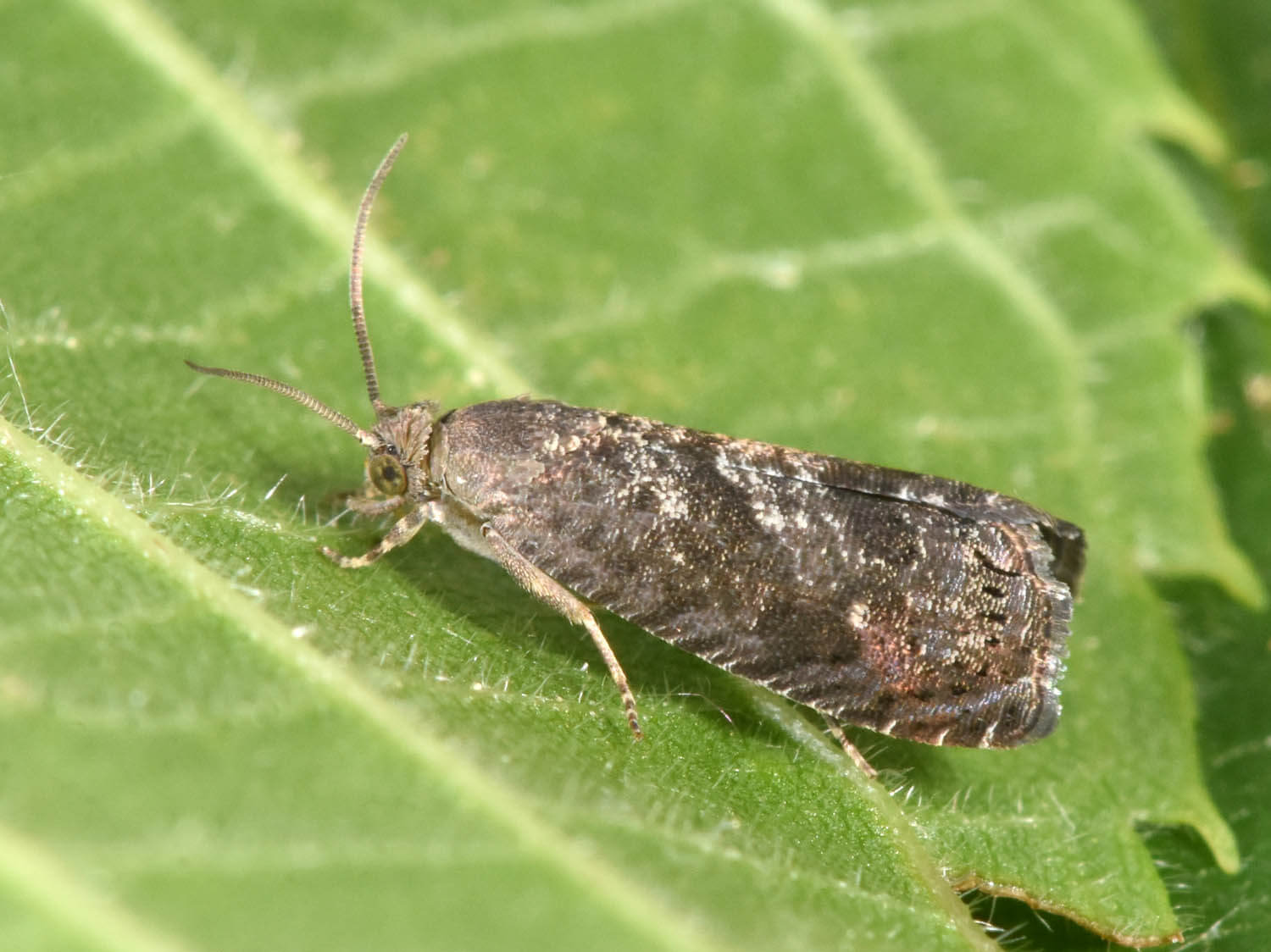
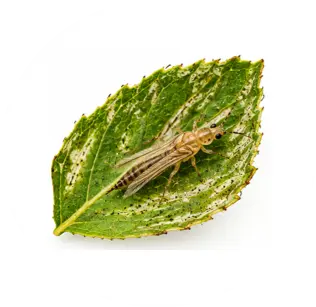
Adult moths are small butterflies, usually active at night, that tend to keep their wings folded when resting on the plant. The damage is mainly caused by their larvae, the caterpillars, which feed on plant tissues. Their presence can be recognised by bites and holes in the leaves, although some species can also attack shoots, flowers or fruit.
The main symptoms are:
• Holes of different sizes in the leaves.
• Chewed leaf edges or irregular-looking margins.
• Leaves that are partially eaten or have areas of tissue completely consumed.
• Large parts of the leaves disappearing when the attack is severe.
• Small caterpillar droppings on the leaves or beneath damaged areas.
• Caterpillars hidden between leaves, in shoots or in other protected areas of the plant.
• Presence of small adult moths around the plant, especially at night.
• Young shoots that have been bitten or damaged.
• Flowers with eaten or damaged parts in some species.
• Fruit with holes or bite marks in certain species.
• Holes and tunnels inside some fruit.
• Weakened plants with loss of leaf area when the attack is severe.
Treatment recommended against moths
Moths can cause damage to leaves, shoots and fruit, particularly during their larval stage. To control the pest, it is important to monitor the presence of adults and larvae, remove the most affected plant parts and act quickly to prevent the reproductive and feeding cycle from continuing.
The main recommendations and treatments are:
• Inspect leaves, shoots and fruit: pay particular attention to the underside of leaves and areas where feeding damage, holes, tunnels or feeding remains appear.
• Remove visible caterpillars and larvae: manually removing larvae found on the plant helps to quickly reduce the population and prevent further damage.
• Remove severely affected leaves and fruit: removing parts with significant damage reduces pest hotspots and prevents larvae from continuing to develop in them.
• Keep the growing area clean: removing affected leaves, fruit and plant debris prevents shelters from remaining where different stages of the pest can continue to develop.
• Insecticide containing deltamethrin: an effective solution for controlling moths when adults or larvae are observed and new damage is appearing on the plant. It acts by contact on insects exposed to the treatment and can rapidly reduce the population and stop further damage.
Products for treating moths

Other common problems
Discover the most common problems and select the one that interests you.



Explore more tools
Services
Contact
Legal
©2023 por ZeriMar Laboratoire. Todos los derechos reservados.