


Products and treatments to eliminate cankers from plants
How to recognize, treat and prevent cankers on plants
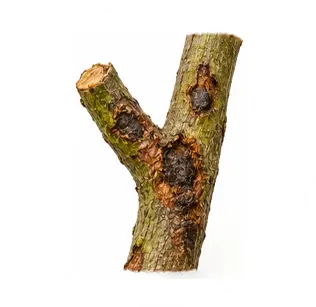
Cankers are lesions that mainly appear on stems, branches and trunks of plants. They are caused by fungi or bacteria that infect the tissues, especially when there are wounds caused by pruning, impacts, damage or unfavorable environmental conditions. The affected area may darken, crack and begin to deteriorate. If the infection progresses, the canker can spread along the branch or trunk, interrupt the flow of water and nutrients and cause weakening or even the death of important parts of the plant. For this reason, it is important to detect it and act as soon as possible, before the damage spreads.
How to recognize cankers on plants?
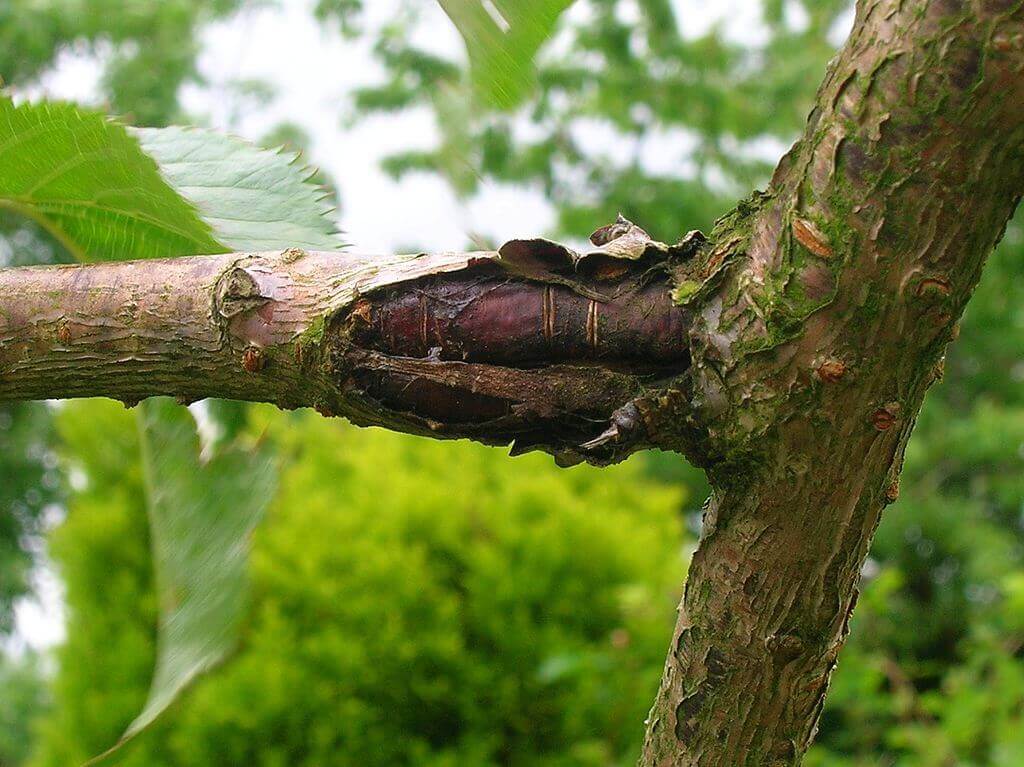
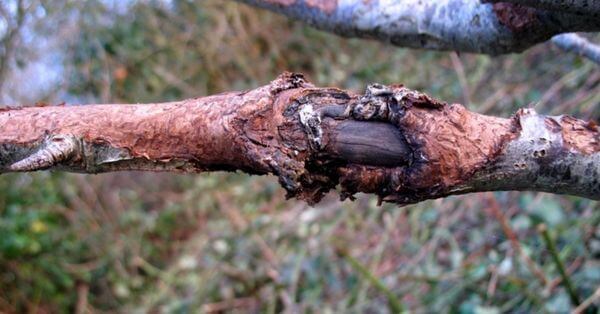
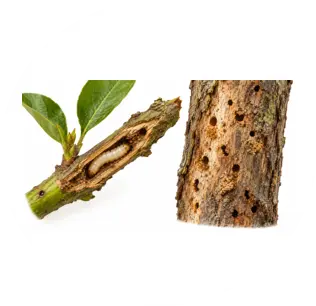
Cankers usually appear as damaged, sunken or cracked areas on the bark of branches and stems. These lesions may start small and progressively increase in size. As the damage advances, the branch may weaken, dry out and eventually die.
The main symptoms are:
• Sunken, cracked or damaged areas on stems and branches.
• Cracked, raised or peeling bark.
• Dark or brown spots or discolored areas on the bark.
• Lesions that progressively increase in size and may surround part of the branch.
• Cracks that extend around the affected area.
• Exudates or secretions that appear on the bark in some cases.
• Branches that lose strength and begin to weaken.
• Leaves and shoots located above the canker that may wilt or dry out.
• Progressive drying of affected branches.
• Death of branches when the lesion is large or reaches the point of interrupting the flow of water and nutrients.
Treatments to eliminate cankers from plants
Cankers are lesions that mainly appear on stems, branches and trunks and may be caused by fungi or bacteria. Treatment should focus on removing severely affected areas, protecting wounds and reducing conditions that favor the entry and spread of these microorganisms. Acting from the first symptoms helps prevent the lesions from continuing to progress through the plant.
The main recommendations and treatments are:
• Remove severely affected parts: cutting and removing branches or areas with advanced cankers helps eliminate affected tissues and prevents the problem from continuing to spread to other parts of the plant.
• Remove damaged bark: in localized cankers, carefully removing the affected bark and the darkened part of the tissue until reaching healthy tissue allows the damaged area to be eliminated. Afterwards, applying a copper-based product to the treated area helps protect the wound.
• Prune correctly: using clean tools and making clean cuts helps keep pruning wounds in good condition and reduces the possibility of fungi and bacteria entering.
• Protect pruning wounds: applying suitable products after pruning helps protect exposed tissues and reduce the entry of microorganisms that can cause new cankers.
• Avoid new wounds: protecting stems, branches and trunks from impacts, cuts and damage helps prevent problems, since wounds can become entry points for fungi and bacteria.
• Copper: it is an effective treatment for preventing and helping to cure cankers caused by fungi and bacteria. Its application protects susceptible areas, helps control the microorganisms responsible for the infection and promotes recovery of the affected tissues. It is especially recommended for application to pruning wounds and after removing damaged bark and darkened tissue.
Products for treating cankers

Other common problems
Discover the most common problems and select the one that interests you.




Explore more tools
Services
Contact
Legal
©2023 por ZeriMar Laboratoire. Todos los derechos reservados.