


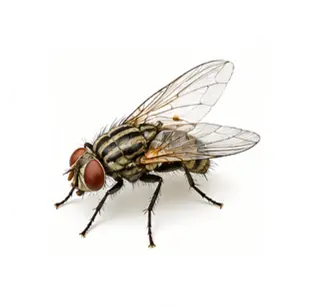
Flies on plants: how to recognize and control them
Differences between flies and treatments for each type
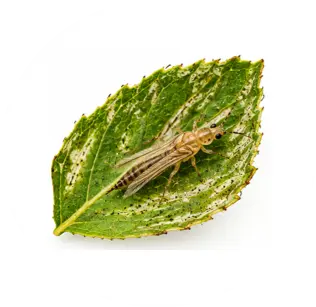
The presence of small flies or flying insects around plants can be caused by different species, and not all of them affect plants in the same way. Some are found on leaves, others appear around fruits, and others live or develop in the growing medium. Fruit flies, whiteflies and fungus gnats differ in their appearance, behavior and feeding habits. Therefore, observing where they are found, how they behave and what damage the plants show is essential to correctly identify the type of insect involved.
How to recognize which type of fly is affecting your plants?
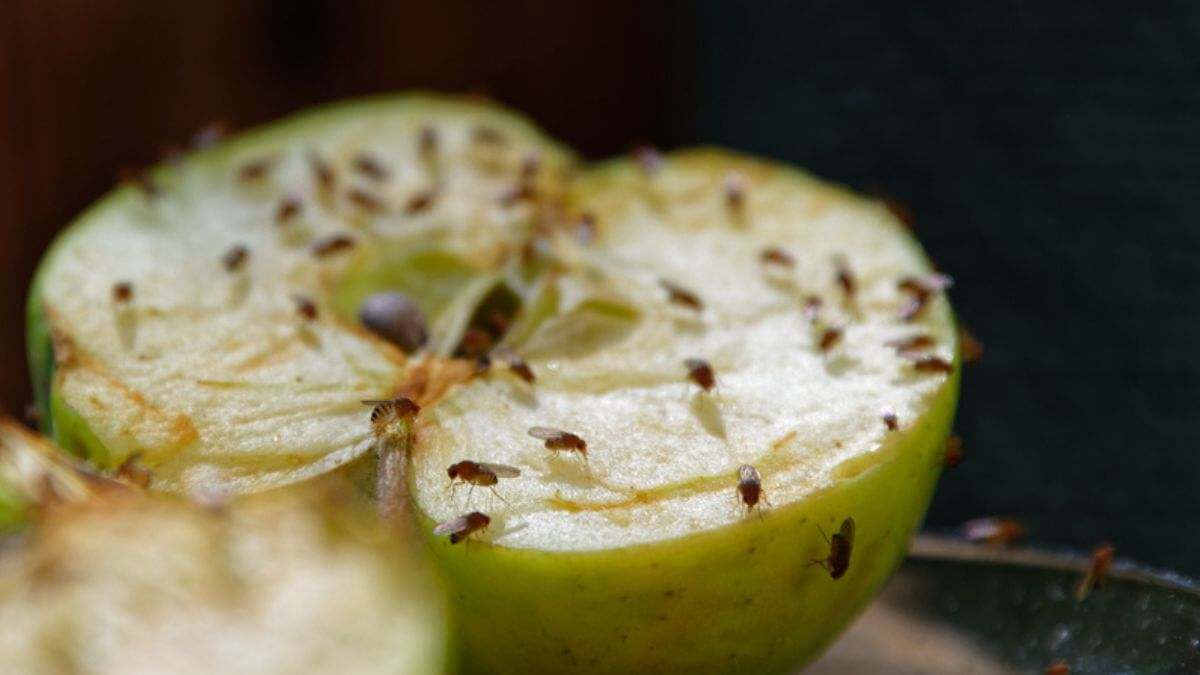
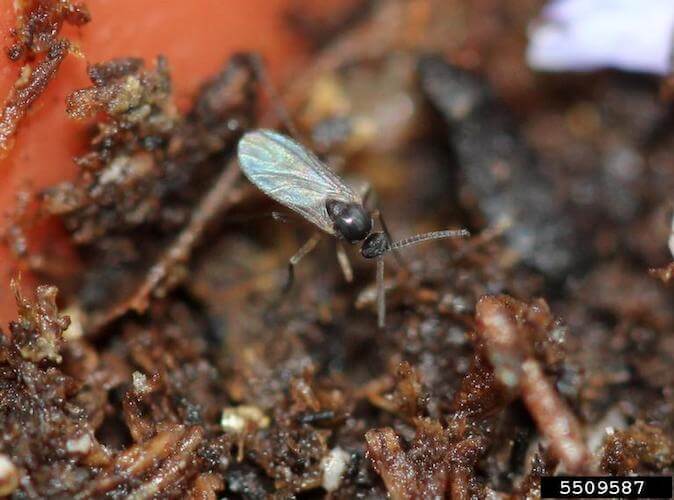
The flies that appear around plants do not all belong to the same group or cause the same damage. Some directly attack fruits, others feed on the sap of leaves, and others spend part of their life cycle in the growing medium. Therefore, to identify the problem, it is important to observe where the insects appear, what they look like and what damage they are causing.
The main symptoms and signs are:
• Presence of small flies around ripe or deteriorating fruits.
• Fruits showing small holes, punctures, soft areas or beginning to rot.
• Larvae inside affected fruits in some species of fruit flies.
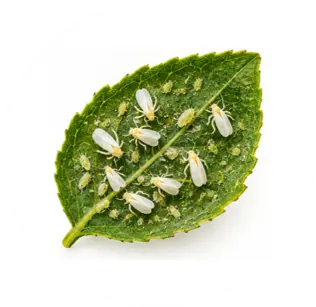
• Small white insects flying away from the underside of leaves when the plant is moved.
• Presence of eggs, nymphs or immobile individuals grouped on the underside of leaves.
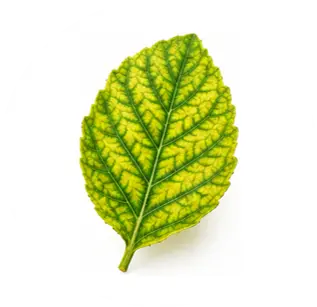
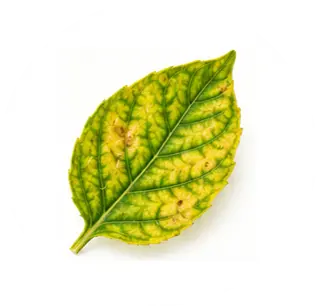
• Leaves with small pale spots, yellowing and loss of vigor in whitefly infestations.
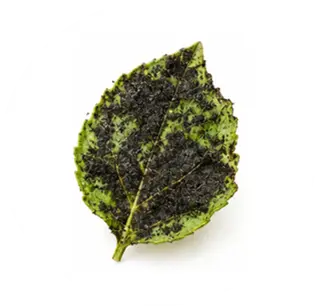
• Presence of sticky honeydew on leaves and subsequent appearance of sooty mold in some cases.
• Small dark flies flying close to the surface of the growing medium.
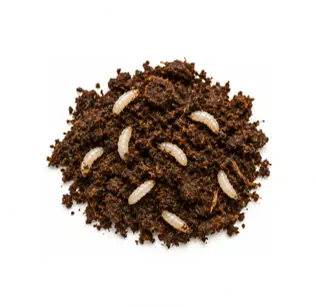
• Presence of small whitish larvae in moist growing medium.
• Weakened seedlings or slow growth when growing-medium larvae are very numerous.
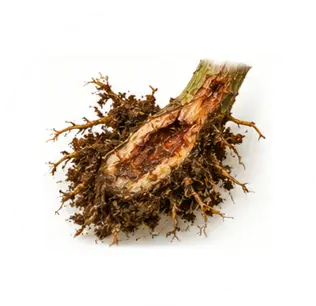
• Damage to fine roots in severe fungus gnat infestations.
Fruit flies:
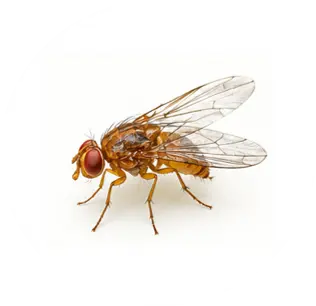
Fruit flies are usually small and may have yellowish or brown colors or combinations of different shades depending on the species. They are usually found around ripe, damaged or decomposing fruits. Some species lay their eggs in fruits and their larvae develop inside them. This can cause small holes, soft areas, deterioration of the pulp and rotting. An important sign is finding larvae inside the fruit or noticing that the damage begins around small puncture marks.
Whitefly:
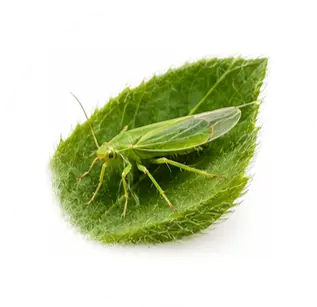
Whitefly is much smaller and white in color. It is found mainly on the underside of leaves. When the plant is moved or touched, the adults quickly fly away, forming a small cloud of white insects. In addition to adults, eggs and small immobile individuals attached to the leaves may be observed. Their feeding causes loss of vigor and yellowing, and some species produce abundant honeydew that can favor the appearance of sooty mold.
Fungus gnats:
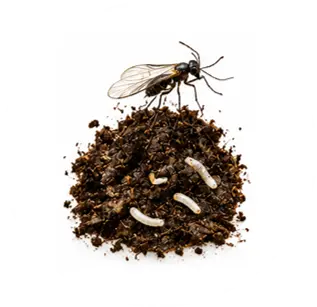
Fungus gnats are small dark flies, similar to tiny mosquitoes. They usually fly very close to the soil in pots and appear especially when the growing medium remains wet for a long time. Their larvae live in the growing medium and mainly feed on organic matter and microorganisms. When they are very numerous, they can damage fine roots and particularly affect seedlings or young plants.
How to distinguish them:
The area where they appear is one of the best clues for distinguishing them:
• Around ripe or damaged fruits → fruit flies.
• On the underside of leaves, forming a cloud when the plant is moved → whitefly.
• Flying very close to moist growing medium → fungus gnats.
• Larvae inside fruits → some species of fruit flies.
• Immobile individuals grouped on the underside of leaves → whitefly.
• Small larvae in soil or moist growing medium → fungus gnats.
Recommended treatments for flies
Treatment for flies must be adapted to the type of pest, as not all species are controlled in the same way. Whitefly mainly concentrates on leaves, fruit flies attack fruits and adults should be controlled using attractants, while fungus gnats develop around the soil and roots. Correctly identifying the type of fly makes it possible to use the most effective treatment in each case.
The main recommendations and treatments are:
Whitefly
• Yellow sticky traps: they are highly effective for capturing flying adults and reducing their population around the plant. Placing them near the foliage allows adults to be intercepted and reduces the number of insects that can reproduce on the plant.
• Potassium soap and neem oil: these help control individuals present on the leaves and complement the action of the traps. Potassium soap acts by contact on exposed insects, while neem oil helps reduce their feeding and development. They are especially useful when the infestation is localized or as a complement to keep the population under control.
• Broad-spectrum contact insecticide: this is the appropriate solution when there is a high presence of whitefly and the population present on the plant needs to be reduced quickly. It acts directly on exposed insects and helps stop damage and pest spread. The treatment should be directed especially at the underside of the leaves, where a large part of the population is concentrated.
Fruit flies
• Attractant traps: these are the specific method for capturing adults and reducing their population before they can continue reproducing and damaging fruits.
• Insecticide: this allows the adults present to be directly reduced and complements the control carried out using traps. It is especially useful when there is a high population and a rapid reduction in the insects is needed.
Fungus gnats
• Sticky traps: these are particularly effective for capturing adults emerging from the growing medium and rapidly reducing their population. Placing them close to the soil surface allows adults to be intercepted and reduces pest reproduction.
• Humidity control: allowing the surface layer of the growing medium to dry between waterings, whenever the plant's needs allow it, makes reproduction more difficult for the gnats and helps progressively reduce their population.
• Insecticide: when the presence of gnats is high, it allows the adults present to be rapidly reduced and complements the action of sticky traps.
Products for treating flies

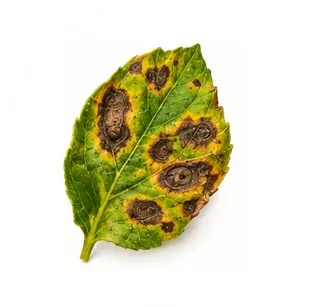
Other common problems
Discover the most common problems and select the one that interests you.



Explore more tools
Services
Contact
Legal
©2023 por ZeriMar Laboratoire. Todos los derechos reservados.