


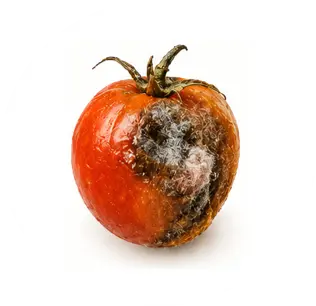
Rot on plants: how to recognise and control it
How to recognise rot and protect plants
Rot is a condition in which plant tissues begin to break down, usually associated with excessive moisture and the development of microorganisms that affect the tissues. It can occur in roots, stems, leaves, flowers or fruit, causing changes in colour, softening, unpleasant odours and progressive destruction of the affected area. Some types of rot can develop rapidly and spread from initially affected tissues to other parts of the plant. For this reason, recognising the first signs and acting as soon as possible is essential to prevent the deterioration from continuing and causing more serious damage.
How to recognise rot
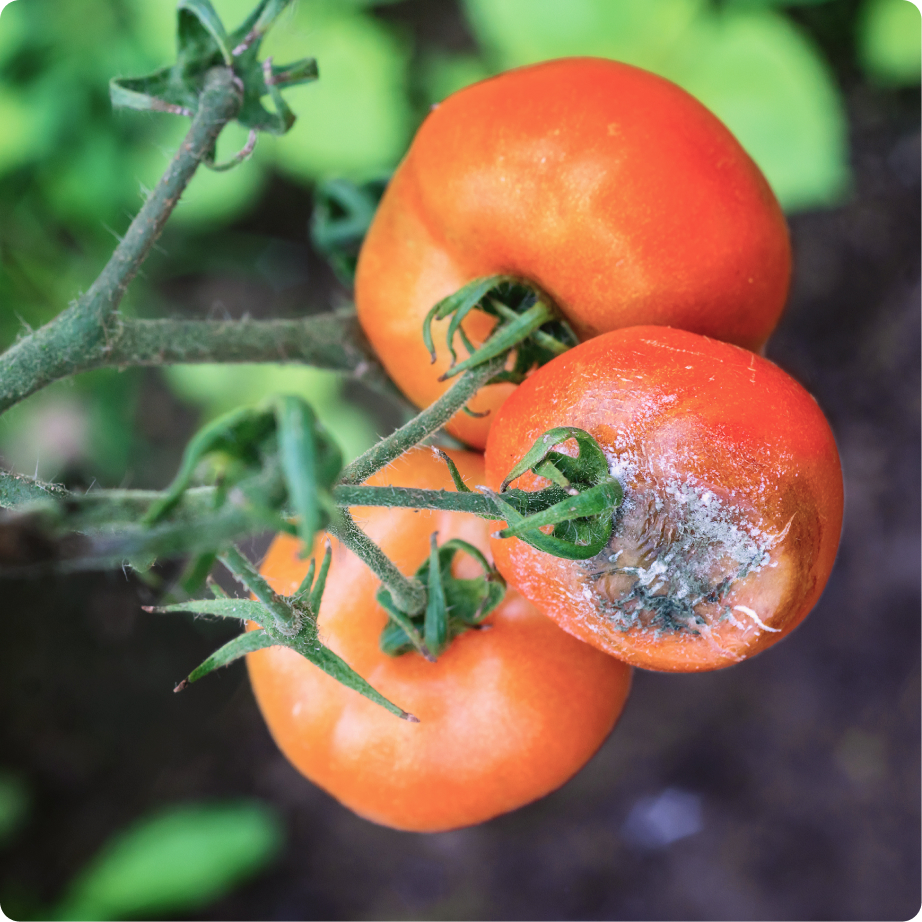

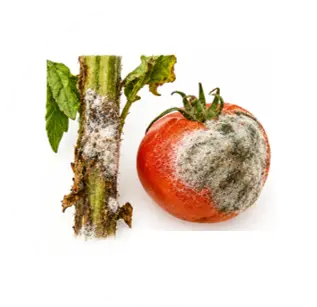
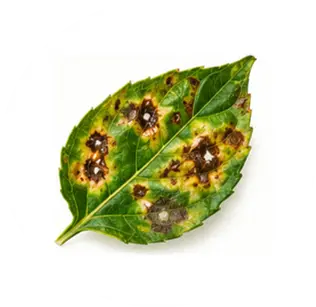
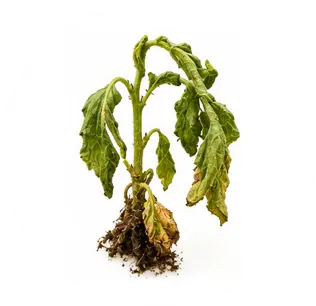
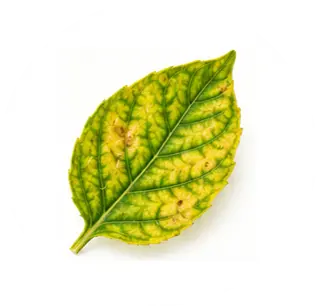
Rot occurs when plant tissues begin to break down and lose their structure. Affected areas often become soft, wet, dark or discoloured and, as the process progresses, may develop an unpleasant smell. It can occur in roots, stems, leaves, flowers or fruit and usually spreads progressively through the affected tissue.
The main symptoms are:
• Soft, wet or waterlogged tissues.
• Brown, black or discoloured areas.
• Tissues that lose their firmness and begin to decompose.
• Unpleasant odour from affected areas when decomposition is advanced.
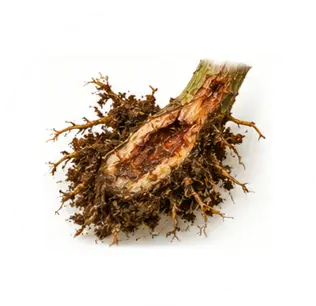
• Brown, black or soft roots that come away easily.
• Roots that lose their structure and begin to break down.
• Stems with darkened, soft or deteriorated areas.
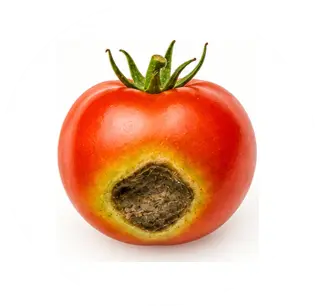
• Fruit with spots that progressively increase in size.
• Sunken or soft areas on fruit.
• Fruit that loses firmness and begins to deteriorate.
• Leaves, flowers or shoots that may become dark and begin to decompose.
• Fungal growth on affected tissues, with different colours and textures.
• Progressive spread of the rotten area into nearby tissues.
Do not confuse it with insect damage
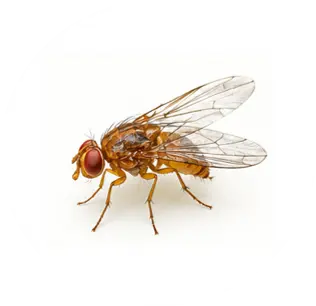
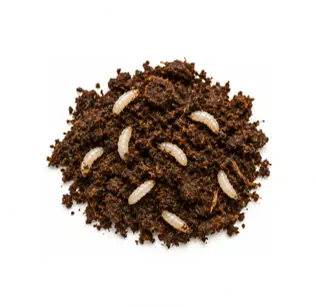
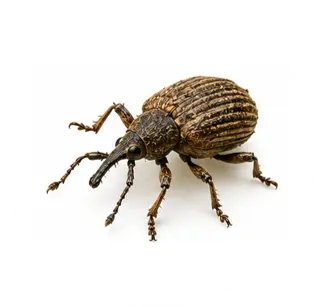
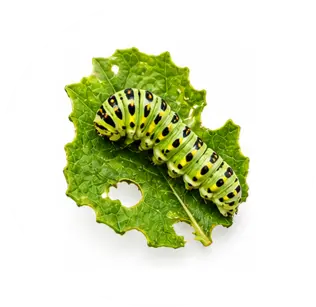
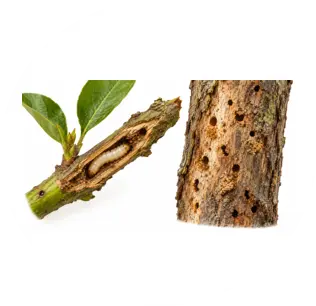
Fruit flies, worms and the larvae of some weevils can cause holes, tunnels and damaged areas that subsequently begin to rot. In these cases, entry or exit holes, larvae, tunnels or feeding remains are often found around the affected area.
Treatment recommended against rot
Rot occurs when plant tissues deteriorate and are colonised by microorganisms, mainly fungi and bacteria. To control the problem, it is essential to remove affected tissues, reduce excess moisture and protect healthy areas to prevent the rot from continuing to spread.
The main recommendations and treatments are:
• Remove rotten parts: remove severely affected fruit, leaves, stems or roots whenever possible. Removing damaged tissue reduces the amount of microorganisms present and helps prevent the rot from progressing.
• Avoid excessive moisture: control irrigation and avoid keeping the soil or growing medium constantly wet, as this helps reduce conditions favourable to the development of fungi and bacteria.
• Improve drainage: if water accumulates around the roots, improving drainage helps maintain more balanced moisture levels and reduces the risk of further rot.
• Avoid wetting plant tissues: water directly onto the soil and avoid wetting leaves, stems and fruit to reduce moisture on the plant surface and limit the spread of microorganisms.
• Improve ventilation: maintaining good air circulation around the plant helps tissues remain drier and makes conditions less favourable for diseases associated with excessive moisture.
• Copper: provides contact fungicidal and bactericidal activity that helps limit the development of fungi and bacteria on plant tissues. It is particularly useful for protecting healthy areas and reducing the spread of the problem when the first symptoms appear.
Products for treating rots

Other common problems
Discover the most common problems and select the one that interests you.



Explore more tools
Services
Contact
Legal
©2023 por ZeriMar Laboratoire. Todos los derechos reservados.