

Symptoms, treatments and recommendations for treating bacterial fruit spot or bacterial wilt
Bacterial Spot Or Bacterial Wilt Of The Fruit
Acidovorax Citrulli
Pathogen:
Type:
Bacterium
Risk:
CRITICAL
Cucurbitáceas piel comestible
Bacteriosis

WHO CAUSES IT?
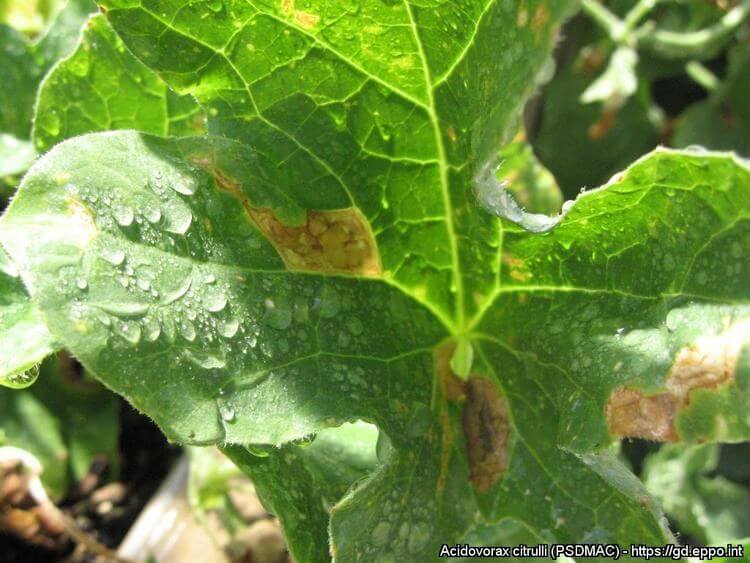
Acidovorax citrulli is a phytopathogenic bacteria that causes the disease known as bacterial spot or bacterial fruit wilt in cucurbits. The bacteria can survive in contaminated seeds, infected plant remains, and in soil. It spreads through water, contaminated tools and mechanical vectors. The bacteria mainly infects leaves, stems and fruits, and can invade the vascular system of the plant.
.png)
SYMPTOMS
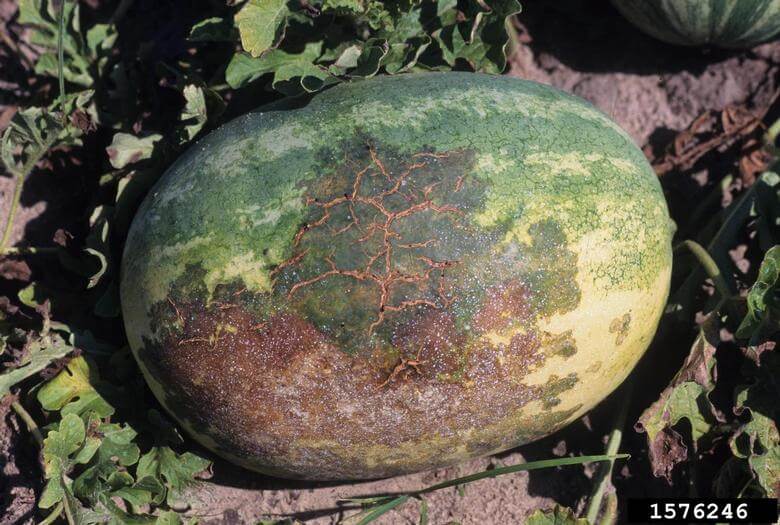
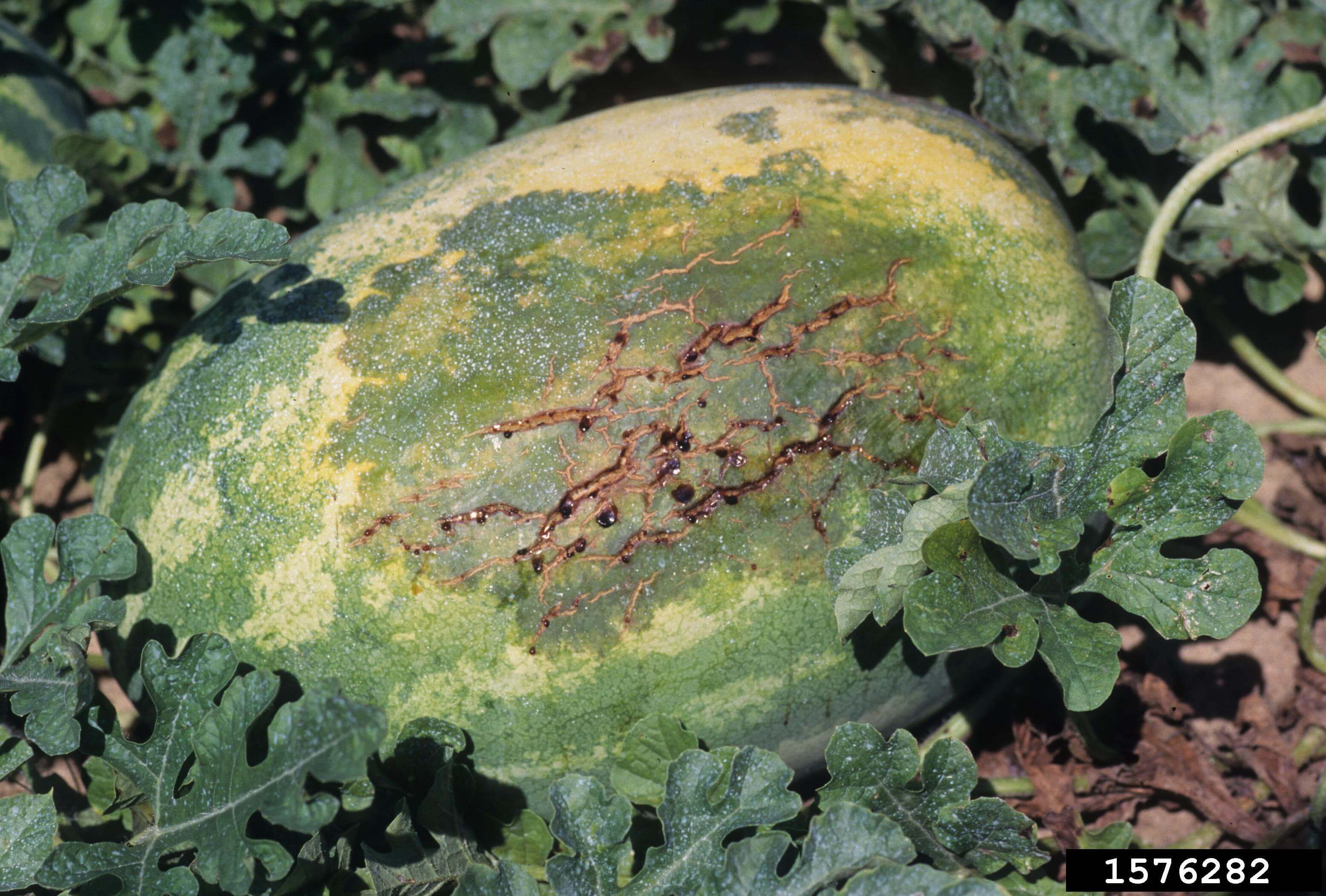
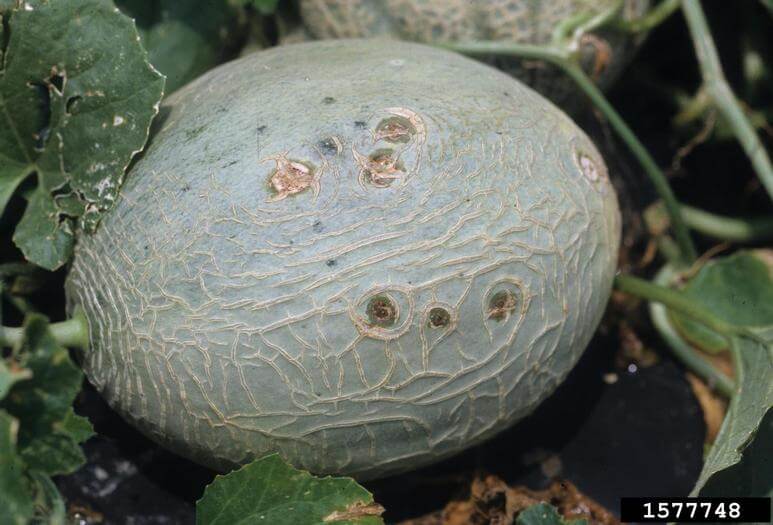
Bacterial spot or bacterial fruit wilt caused by Acidovorax citrulli in cucurbits manifests itself with the appearance of watery Taches on leaves, stems and fruits. These Taches can expand and cause necrosis. Dark, sunken lesions may appear on the fruits, which can cause premature fall.
• Watery Taches on leaves, stems and fruits.
• Dark, sunken lesions on the fruits.
• Necrosis of infected tissues.
• Premature fall of infected fruits.


TEMPERATURE AND HUMIDITY
24°C - 32°C
70% - 90%

TRANSMISSION ROUTES
Contaminated water, tools and equipment, contact with infected plants, mechanical vectors.
Do you want to remove this disease? Choose how you want to treat it.

TREATMENTS
Chemical treatments
• CUPRIC HYDROXIDE 13.6% (EXPR. IN CU) + COPPER OXYCHLORIDE 13.6% (EXPR. IN CU) [SC] P/V
• CUPRIC HYDROXIDE 20% (EXPR. IN CU) [WG] P/P
• CUPRIC HYDROXIDE 25% (EXPR. IN CU) [WG] P/P
• COPPER OXYCHLORIDE 25% (EXPR. IN CU) [WG] P/P
• COPPER OXYCHLORIDE 30% (EXPR. IN CU) [WP] P/P
• COPPER OXYCHLORIDE 35% (exp. in Cu) [WG] P/P
• COPPER OXYCHLORIDE 37.5% (EXPR. IN CU) [WG] P/P
• COPPER OXYCHLORIDE 38% (EXPR. IN CU) [SC] P/V
• COPPER OXYCHLORIDE 50% (EXPR. IN CU) [WG] P/P
• COPPER OXYCHLORIDE 52% (EXPR. IN CU) [SC] P/V
• COPPER OXYCHLORIDE 70% (EXPR. IN CU) [SC] P/V
• CUPROUS OXIDE 50% (EXPR. IN CU) [WP] P/P
• CUPROUS OXIDE 75% (EXPR. IN CU) [WG] P/P
• CUPROCALCIC SULFATE 12.4% (EXPR. IN CU) [SC] P/V
• CUPROCALCIC SULFATE 20% (EXPR. IN CU) [WG] P/P
• CUPROCALCIC SULFATE 20% [WP] P/P
• TRIBASIC COPPER SULFATE 19% (EXPR. IN CU) [SC] P/V
• TRIBASIC COPPER SULFATE 40% (EXPR. IN CU) [WG] P/P
Authorized treatments in organic farming
• CUPRIC HYDROXIDE 13.6% (EXPR. IN CU) + COPPER OXYCHLORIDE 13.6% (EXPR. IN CU) [SC] P/V
• CUPRIC HYDROXIDE 20% (EXPR. IN CU) [WG] P/P
• CUPRIC HYDROXIDE 25% (EXPR. IN CU) [WG] P/P
• COPPER OXYCHLORIDE 25% (EXPR. IN CU) [WG] P/P
• COPPER OXYCHLORIDE 30% (EXPR. IN CU) [WP] P/P
• COPPER OXYCHLORIDE 35% (exp. in Cu) [WG] P/P
• COPPER OXYCHLORIDE 37.5% (EXPR. IN CU) [WG] P/P
• COPPER OXYCHLORIDE 38% (EXPR. IN CU) [SC] P/V
• COPPER OXYCHLORIDE 50% (EXPR. IN CU) [WG] P/P
• COPPER OXYCHLORIDE 52% (EXPR. IN CU) [SC] P/V
• COPPER OXYCHLORIDE 70% (EXPR. IN CU) [SC] P/V
• CUPROUS OXIDE 50% (EXPR. IN CU) [WP] P/P
• CUPROUS OXIDE 75% (EXPR. IN CU) [WG] P/P
• CUPROCALCIC SULFATE 12.4% (EXPR. IN CU) [SC] P/V
• CUPROCALCIC SULFATE 20% (EXPR. IN CU) [WG] P/P
• CUPROCALCIC SULFATE 20% [WP] P/P
• TRIBASIC COPPER SULFATE 19% (EXPR. IN CU) [SC] P/V
• TRIBASIC COPPER SULFATE 40% (EXPR. IN CU) [WG] P/P
Biological control
• BACILLUS AMYLOLIQUEFACIENS (subsp. plantarum, strain D747) 25% [WG] P/P
• BACILLUS SUBTILIS (STRAIN QST 713) 1.34% [SC] P/V
Recommendations
• Use cucurbit varieties resistant or tolerant to Acidovorax citrulli.
• Practice crop rotation to reduce pathogen pressure in the soil.
• Improve air circulation and avoid excess humidity in crops.
• Apply specific bactericides following local recommendations.
• Disinfect cultivation tools and equipment to prevent the spread of bacteria.
• Eliminate and destroy infected plants and plant remains.
Sponsored link

Sponsored link


Sponsored link
Sponsored link
Sponsored link


Sponsored link
Sponsored link
Effective against all types of fungi

Sponsored link


Sponsored link
Sponsored link

Sponsored link


Sponsored link
*Recommended treatments are still recommendations according to authority databases and in no way replace the guidelines established according to the legislation of each country.
*Products shown are recommendations and not our own products. As Amazon Associates, we earn revenue from purchases of recommended products.

TREATMENTS
Homemade remedies
There are no home treatments
Natural allies
Chemical treatments
There are no treatments for this disease. Treatments are directed at the insect vectors that transmit it. See insect treatments.

RECOMMENDATIONS

REPELLENT PLANTS
EFFECTIVE PRODUCTS TO ELIMINATE THIS DISEASE
Sponsored link
Sponsored link
Sponsored link
Sponsored link
Sponsored link
Sponsored link
Sponsored link
Effective against all types of fungi
Sponsored link
Sponsored link
Sponsored link
Sponsored link
Sponsored link
*Recommended treatments are still recommendations according to authority databases and in no way replace the guidelines established according to the legislation of each country.
*Products shown are recommendations and not our own products. As Amazon Associates, we earn revenue from purchases of recommended products.

Enjoy idMicrobe TOTALLY FREE, with no trial periods.


