

Wireworm
Agriotes Sp.
Pathogen:
Type:
Insect
Risk:
HIGH
Remolacha azucarera
Orugas o gusanos

WHO CAUSES IT?
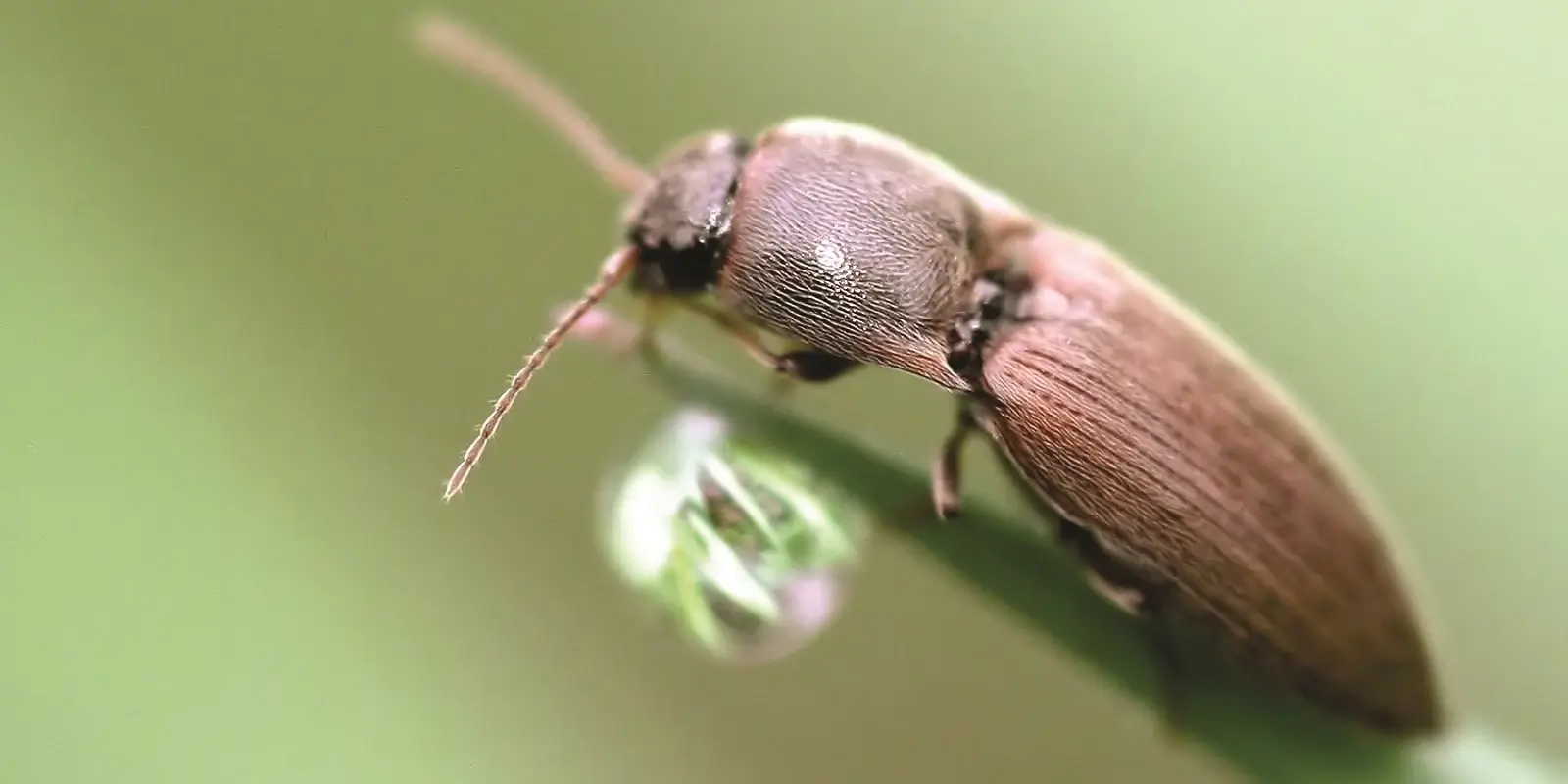
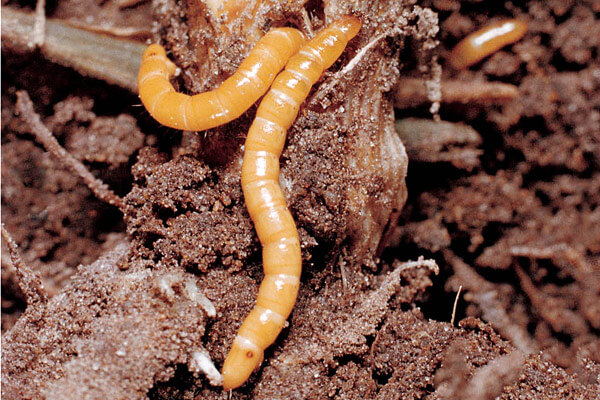
Agriotes sp., known as the wireworm, is a genus of beetles whose larvae are important agricultural pests. Adults, known as click beetles, lay their eggs in the soil during spring and summer. The eggs hatch in approximately 2 to 4 weeks, giving rise to larvae that develop in the soil. These larvae, with an elongated and hard body, spend several years in the soil, feeding on roots and other organic materials. Throughout their development, the larvae molt several times before reaching maturity. Once they complete their larval development, they pupate in the soil, emerging as adults after a few weeks. Adults can live for several weeks, during which time they look for mates and reproduce, restarting the cycle. The larvae can cause significant damage to plants by feeding on their roots, affecting the absorption of water and nutrients and, consequently, the overall health of the plants.
.png)
SYMPTOMS
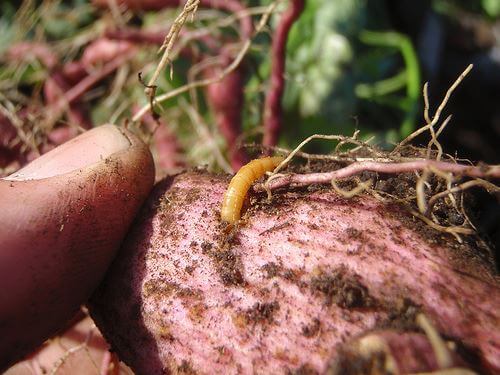
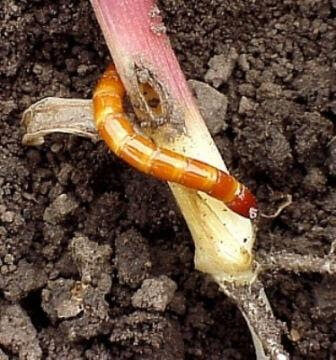
Sugar beets affected by wireworm experience a disease that causes significant root damage. This leads to a reduction in the plant's ability to absorb water and nutrients, which negatively affects its growth and yield. The symptoms can be quite evident and varied.
- Withering of young plants.
- Roots with holes and galleries.
- Discoloration and yellowing of the leaves.
- Stunted growth and general weakness of the plant.
- Presence of larvae in the soil around the roots.
- Death of plants in severe cases.
- Reduction in crop yields.
- Greater susceptibility to other pests and diseases due to plant stress.


TEMPERATURE AND HUMIDITY
15°C - 25°C
60% - 80%

TRANSMISSION ROUTES
Contaminated soil, Plant waste, Movements of agricultural machinery, Irrigation with contaminated water
Do you want to remove this disease? Choose how you want to treat it.

TREATMENTS
Chemical treatments
• Agriotes lineatus (Pheromone)
• DELTAMETHRIN 1.57% [SC] P/V
• LAMBDA CYHALOTHRIN 0.15% [GR] P/P
• LAMBDA CYHALOTHRIN 0.24% [GR] P/P
• LAMBDA CYHALOTHRIN 0.4% [GR] P/P
• LAMBDA CYHALOTHRIN 0.4% [GR] P/P
• LAMBDA CYHALOTHRIN 0.4% [GR] P/P
• TEFLUTRIN 0.5% [GR] P/P
• TEFLUTRIN 0.5% [GR] P/P
• TEFLUTRIN 0.5% [GR] P/P
• TEFLUTHRIN 1.5% [GR] P/P
Authorized treatments in organic farming
• Agriotes lineatus (Pheromone)
• LAMBDA CYHALOTHRIN 0.15% [GR] P/P
• LAMBDA CYHALOTHRIN 0.24% [GR] P/P
• LAMBDA CYHALOTHRIN 0.4% [GR] P/P
• LAMBDA CYHALOTHRIN 0.4% [GR] P/P
• LAMBDA CYHALOTHRIN 0.4% [GR] P/P
Biological control
• BEAUVERIA BASSIANA (STRAIN ATCC 74040) 2.3% (2.3X10E7 VIABLE SPORES/ML) [OD] P/V
Recommendations
- Implement a crop rotation to avoid the accumulation of larvae in the soil.
- Keep the field clean of plant debris that could provide shelter for larvae.
- Use light traps to reduce the adult population.
- Apply specific insecticide treatments at the appropriate times in the wireworm life cycle.
- Promote soil biodiversity to maintain natural enemies of Agriotes sp.
- Carry out deep work in the soil to expose and eliminate the larvae.
- Adjust irrigation practices to avoid excess humidity that favors the development of larvae.
- Carry out regular field monitoring to detect the presence of larvae early.
Sponsored link
Sponsored link


Sponsored link
Sponsored link
Sponsored link


Sponsored link
Sponsored link
Effective against all types of fungi

Sponsored link


Sponsored link
Sponsored link

Sponsored link


Sponsored link
*Recommended treatments are still recommendations according to authority databases and in no way replace the guidelines established according to the legislation of each country.
*Products shown are recommendations and not our own products. As Amazon Associates, we earn revenue from purchases of recommended products.

TREATMENTS
Homemade remedies
There are no home treatments
Natural allies
Chemical treatments
There are no treatments for this disease. Treatments are directed at the insect vectors that transmit it. See insect treatments.

RECOMMENDATIONS

REPELLENT PLANTS
EFFECTIVE PRODUCTS TO ELIMINATE THIS DISEASE
Sponsored link
Sponsored link
Sponsored link
Sponsored link
Sponsored link
Sponsored link
Sponsored link
Effective against all types of fungi
Sponsored link
Sponsored link
Sponsored link
Sponsored link
Sponsored link
*Recommended treatments are still recommendations according to authority databases and in no way replace the guidelines established according to the legislation of each country.
*Products shown are recommendations and not our own products. As Amazon Associates, we earn revenue from purchases of recommended products.

Enjoy idMicrobe TOTALLY FREE, with no trial periods.


