

Fruit Fly
Anastrepha Sp.
Pathogen:
Type:
Insect
Risk:
CRITICAL
Mora
Moscas de la fruta

WHO CAUSES IT?
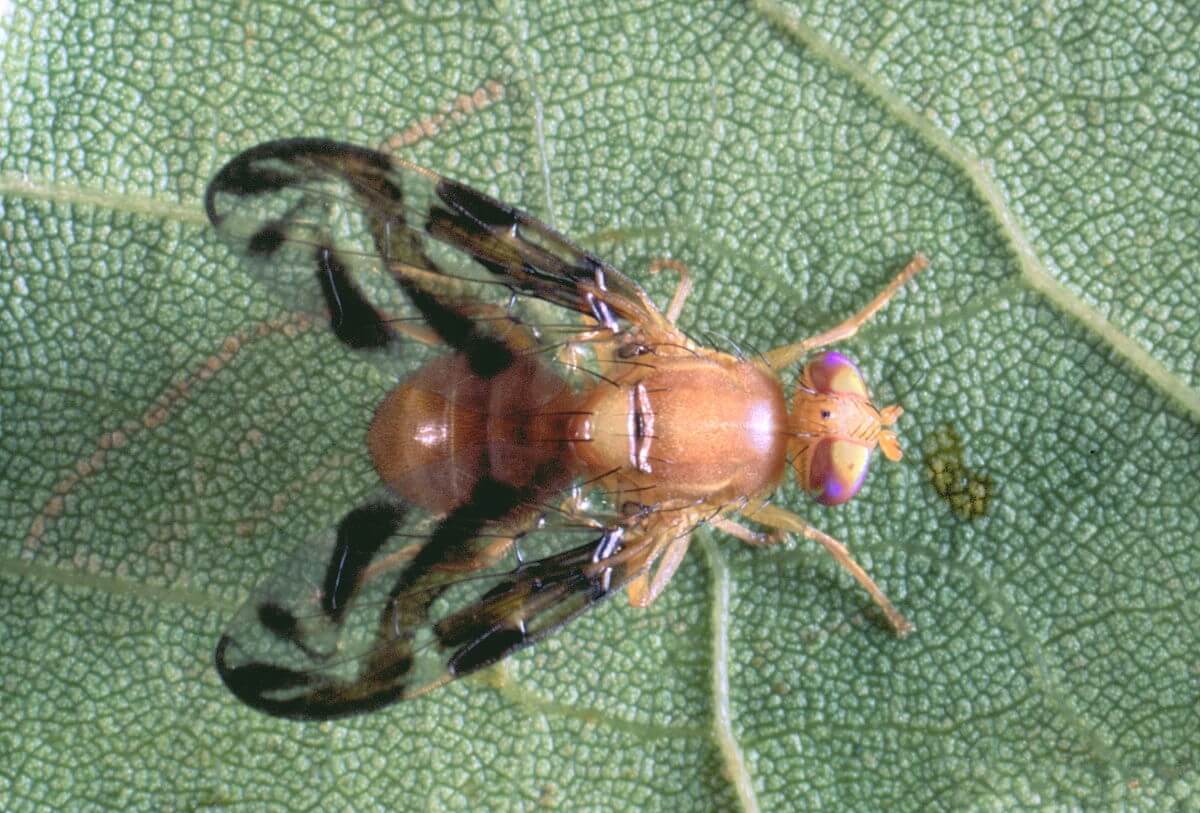
The pathogen Anastrepha sp. is a genus of fruit flies that includes several species of agricultural importance due to their ability to damage various crops. Adult females lay their eggs inside fruits using a specialized ovipositor. Once the eggs hatch, the larvae emerge and begin feeding on the internal tissue of the fruit, causing significant damage. These larvae go through several stages of development before pupating inside or outside fruit that has fallen to the ground. The pupae remain in the soil until they emerge as adult flies, ready to restart the infestation cycle. This process can be repeated several times a year, especially in hot climates, allowing fruit fly populations to proliferate rapidly and cause serious losses to susceptible crops.
.png)
SYMPTOMS
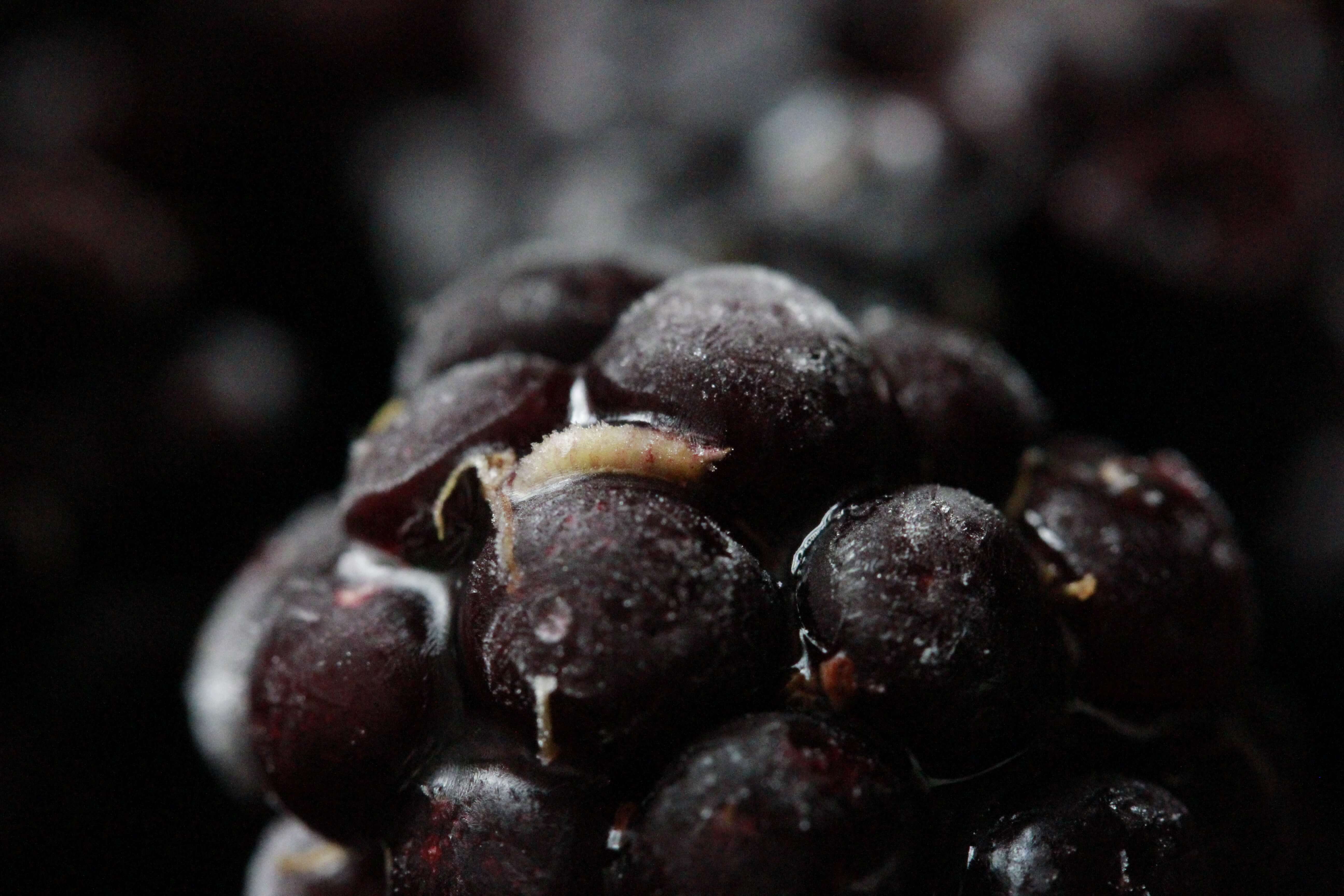
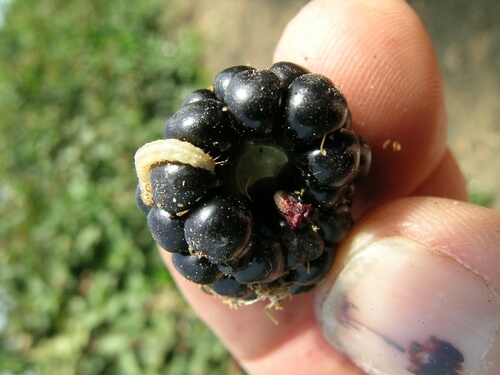
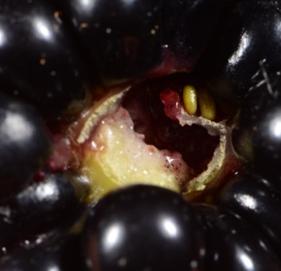
The disease caused by Anastrepha sp., known as fruit fly, causes considerable damage to blackberries, affecting both the quality and quantity of production. The symptoms begin with the presence of small wounds on the surface of the fruits where the females laid their eggs. As the larvae develop inside the fruits, internal damage becomes evident, compromising the structure and flavor of the blackberries. Affected fruits often show signs of premature decay and early drop, significantly reducing yield. Infestation by these flies can lead to considerable commercial depreciation due to the deteriorated appearance of the fruits. Symptoms include:
- Presence of small wounds on the surface of the fruits.
- Internal damage to the structure of the fruits.
- Premature decomposition of fruits.
- Early fruit fall.
- Deteriorated appearance and loss of commercial quality.


TEMPERATURE AND HUMIDITY
20°C - 30°C
60% - 80%

TRANSMISSION ROUTES
Movement of infected fruits, flight of adult flies, exchange of plants and plant materials, transport of contaminated soil
Do you want to remove this disease? Choose how you want to treat it.

TREATMENTS
Chemical treatments
• ACETAMIPRID 20% [SP] P/P
• AZADIRACTIN 1% (AS AZADIRACTIN A) [EC] P/V
• Azadirachtin 2.6% (AS AZADIRACTIN A) [EC] P/V
• DELTAMETHRIN 2.5% [EW] P/V
• LAMBDA CYHALOTHRIN 10% [CS] P/V
Authorized treatments in organic farming
• AZADIRACTIN 1% (AS AZADIRACTIN A) [EC] P/V
• Azadirachtin 2.6% (AS AZADIRACTIN A) [EC] P/V
• LAMBDA CYHALOTHRIN 10% [CS] P/V
Biological control
• BACILLUS THURINGIENSIS ISRAELENSIS strain AM65-52 (1.2 million IU/g) 12.3% [SC] P/V
Recommendations
- Implement regular monitoring using pheromone traps to detect the presence of adult flies.
- Apply specific phytosanitary treatments at the appropriate times in the pest's life cycle.
- Carry out frequent collection and proper disposal of fallen and damaged fruits to reduce sources of infestation.
- Use physical barriers such as exclusion nets to protect crops from oviposition by females.
- Promote the presence of natural enemies by conserving habitats and releasing specific parasitoids and predators.
- Implement integrated pest management (IPM) practices that include the use of biological, cultural and chemical control in a coordinated manner.
- Maintain garden hygiene, eliminating crop remains and avoiding the accumulation of decomposing organic matter.
- Carry out post-harvest treatments to eliminate any life stage of the pest that may be present in the harvested fruits.
- Train farmers and workers in the early identification and effective management of fruit flies.
Sponsored link
Sponsored link


Sponsored link
Sponsored link
Sponsored link


Sponsored link
Sponsored link
Effective against all types of fungi

Sponsored link


Sponsored link
Sponsored link

Sponsored link


Sponsored link
*Recommended treatments are still recommendations according to authority databases and in no way replace the guidelines established according to the legislation of each country.
*Products shown are recommendations and not our own products. As Amazon Associates, we earn revenue from purchases of recommended products.

TREATMENTS
Homemade remedies
There are no home treatments
Natural allies
Chemical treatments
There are no treatments for this disease. Treatments are directed at the insect vectors that transmit it. See insect treatments.

RECOMMENDATIONS

REPELLENT PLANTS
EFFECTIVE PRODUCTS TO ELIMINATE THIS DISEASE
Sponsored link
Sponsored link
Sponsored link
Sponsored link
Sponsored link
Sponsored link
Sponsored link
Effective against all types of fungi
Sponsored link
Sponsored link
Sponsored link
Sponsored link
Sponsored link
*Recommended treatments are still recommendations according to authority databases and in no way replace the guidelines established according to the legislation of each country.
*Products shown are recommendations and not our own products. As Amazon Associates, we earn revenue from purchases of recommended products.

Enjoy idMicrobe TOTALLY FREE, with no trial periods.


