

Beet Fly
Pegomya Betae
Pathogen:
Type:
Insect
Risk:
HIGH
Remolacha de mesa
Minadores

WHO CAUSES IT?
Pegomya betae, known as the beet fly, is a dipteran of the Anthomyiidae family. Adults emerge in early spring and are characterized by their light gray color and translucent wings. Females lay their eggs in the soil near the base of beet plants. Once the eggs hatch, the larvae, which are creamy white in color, begin feeding on the roots and leaves of the plant. This larval damage is especially damaging as the larvae excavate galleries in the roots, making it difficult to absorb water and nutrients. The larvae go through several stages of development before pupating in the soil. Adults emerge after a week to ten days, ready to repeat the cycle. The number of generations can vary from two to five per year, depending on climatic conditions.
.png)
SYMPTOMS
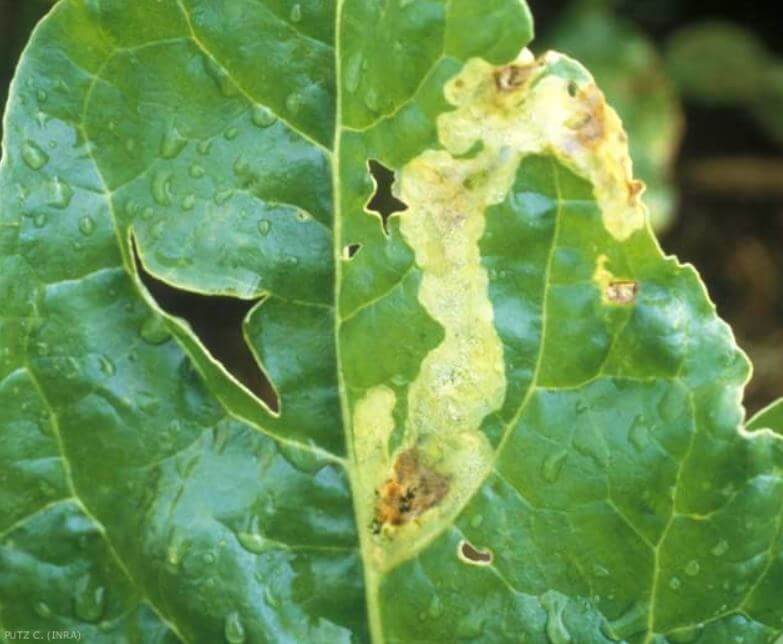
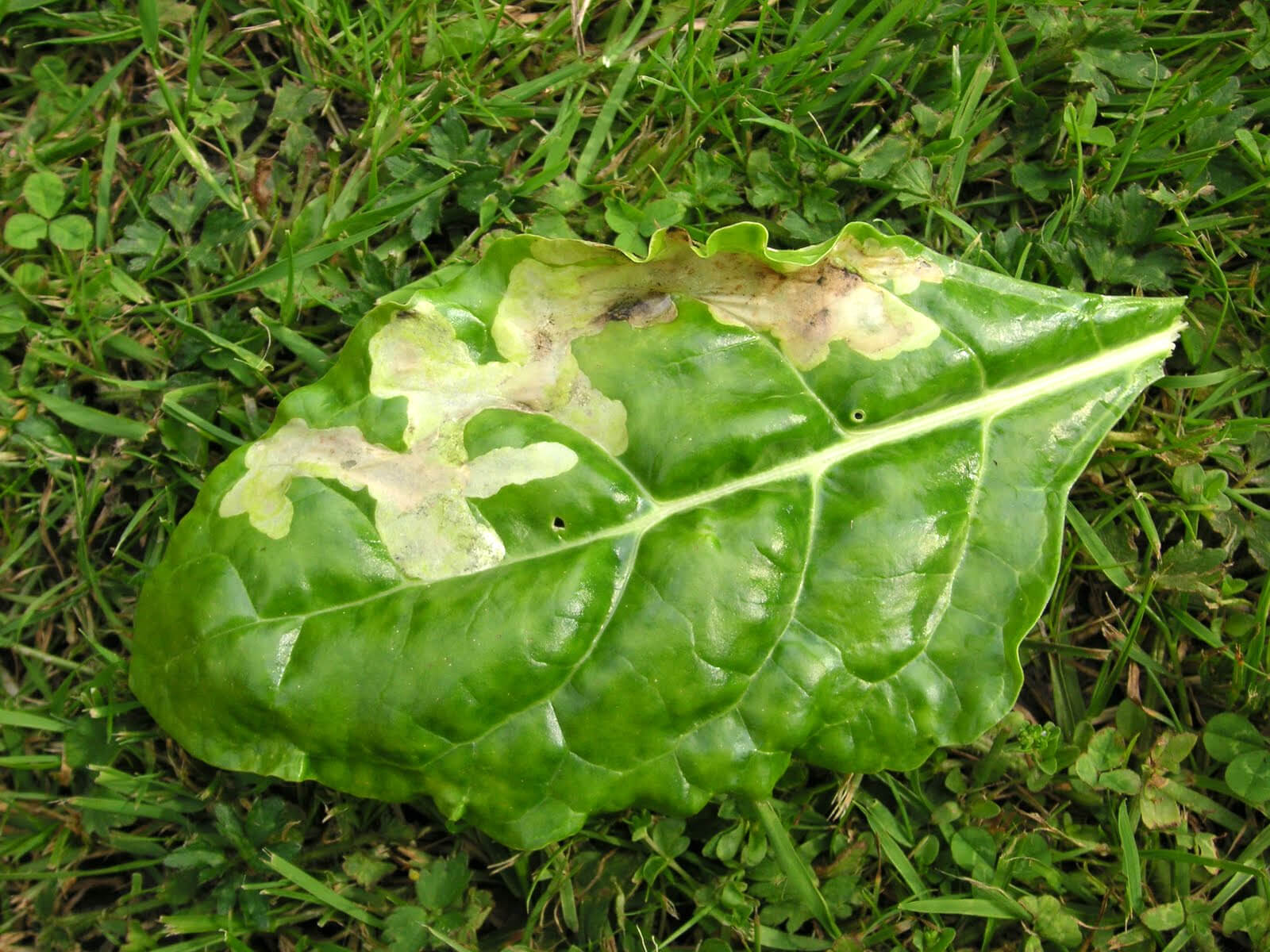
The disease caused by Pegomya betae in beet manifests itself mainly in the underground part of the plant, where the larvae cause significant damage. These damages affect the growth and development of the beet, reducing both the quantity and quality of the harvest.
- Galleries and tunnels in the roots
- Delayed growth
- Leaf wilting
- Deformations in the roots
- Reduction of root mass
- General yellowing of the plant
- Low absorption of nutrients and water


TEMPERATURE AND HUMIDITY
15°C - 25°C
60% - 80%

TRANSMISSION ROUTES
Wind, Soil movements, Contaminated agricultural machinery, Infested plants
Do you want to remove this disease? Choose how you want to treat it.

TREATMENTS
Chemical treatments
• DELTAMETHRIN 2.5% [EW] P/V
• LAMBDA CYHALOTHRIN 10% [CS] P/V
Authorized treatments in organic farming
• LAMBDA CYHALOTHRIN 10% [CS] P/V
Biological control
-
Recommendations
- Carry out crop rotations to reduce the fly population in the soil.
- Implement regular monitoring to detect and control the presence of adults.
- Apply yellow sticky traps to capture adult flies.
- Use physical barriers such as fine mesh to protect crops during the stages of greatest vulnerability.
- Maintain good field hygiene by eliminating remains of previous crops and weeds.
- Apply specific insecticides in a timely manner, following integrated pest management recommendations.
- Promote the presence of natural enemies such as parasitoid wasps and predators.
- Water adequately to keep the soil less conducive to oviposition by females.
- Implement tillage practices that expose and destroy pupae in the soil.
- Evaluate and use beet cultivars that present resistance to Pegomya betae, if available.
Sponsored link
Sponsored link


Sponsored link
Sponsored link
Sponsored link


Sponsored link
Sponsored link
Effective against all types of fungi

Sponsored link


Sponsored link
Sponsored link

Sponsored link


Sponsored link
*Recommended treatments are still recommendations according to authority databases and in no way replace the guidelines established according to the legislation of each country.
*Products shown are recommendations and not our own products. As Amazon Associates, we earn revenue from purchases of recommended products.

TREATMENTS
Homemade remedies
There are no home treatments
Natural allies
Chemical treatments
There are no treatments for this disease. Treatments are directed at the insect vectors that transmit it. See insect treatments.

RECOMMENDATIONS

REPELLENT PLANTS
EFFECTIVE PRODUCTS TO ELIMINATE THIS DISEASE
Sponsored link
Sponsored link
Sponsored link
Sponsored link
Sponsored link
Sponsored link
Sponsored link
Effective against all types of fungi
Sponsored link
Sponsored link
Sponsored link
Sponsored link
Sponsored link
*Recommended treatments are still recommendations according to authority databases and in no way replace the guidelines established according to the legislation of each country.
*Products shown are recommendations and not our own products. As Amazon Associates, we earn revenue from purchases of recommended products.

Enjoy idMicrobe TOTALLY FREE, with no trial periods.


