


Symptoms, treatments, and recommendations for treating neck and root rot
Neck And Root Rot
Phytophthora Cactorum, Phytophthora Fragariae
Pathogen:
Type:
Oomycete
Risk:
HIGH
Frambuesa
Royas

WHO CAUSES IT?
Phytophthora cactorum and Phytophthora fragariae are oomycete pathogens that cause neck and root rot in raspberries. These pathogens are soil inhabitants and thrive in moist, temperate conditions. In their asexual reproduction phase, they produce sporangia that release motile zoospores capable of swimming through soil water toward the roots of plants. Once in contact with the roots, the zoospores encyst and germinate, invading the plant tissues. As the fungus grows and develops within the plant, it forms additional sporangia and sexual oospores, which are resistance structures that can survive in the soil for several years, allowing the pathogen to persist even in the absence of susceptible hosts.
.png)
SYMPTOMS
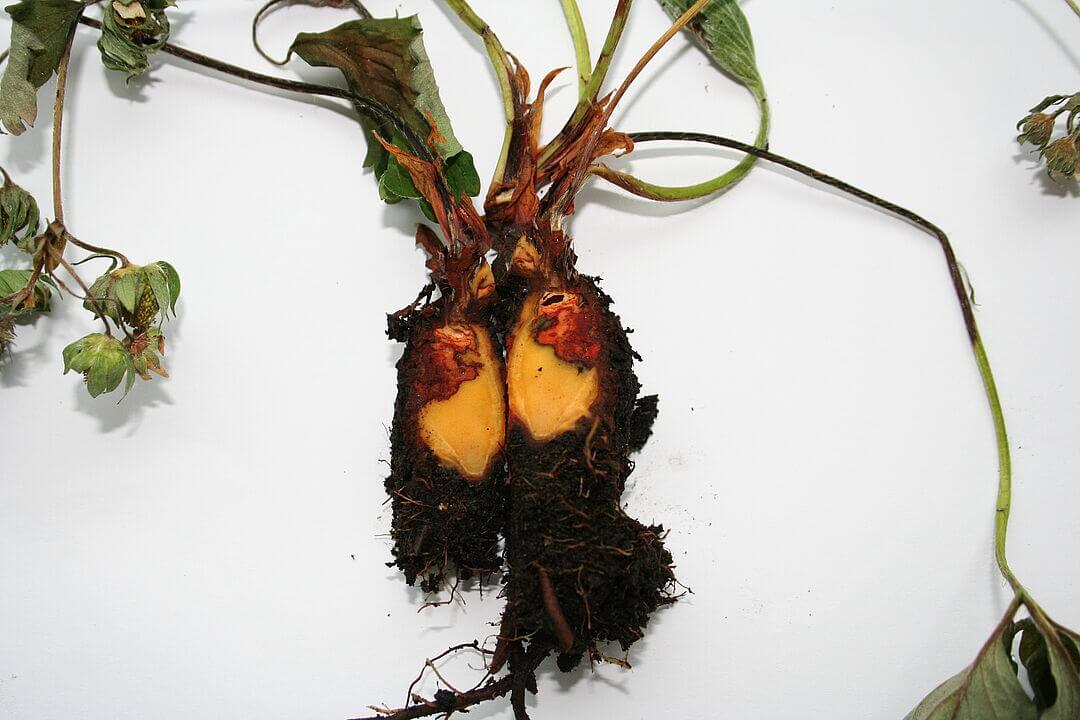
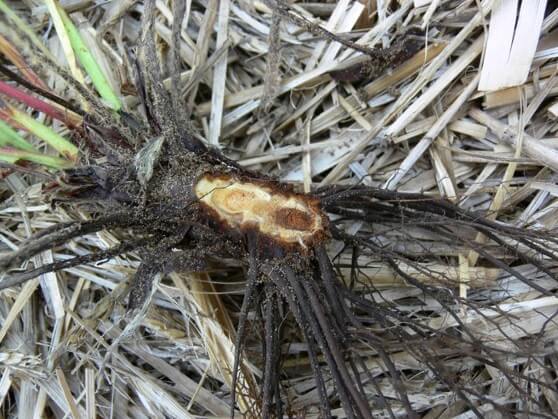
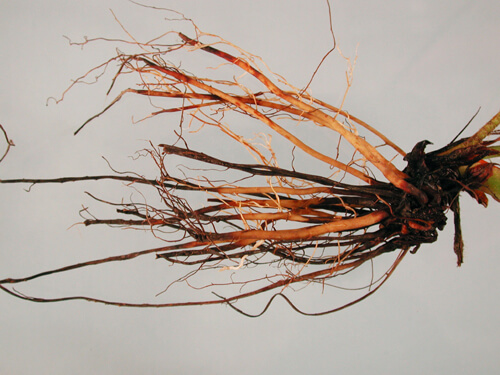
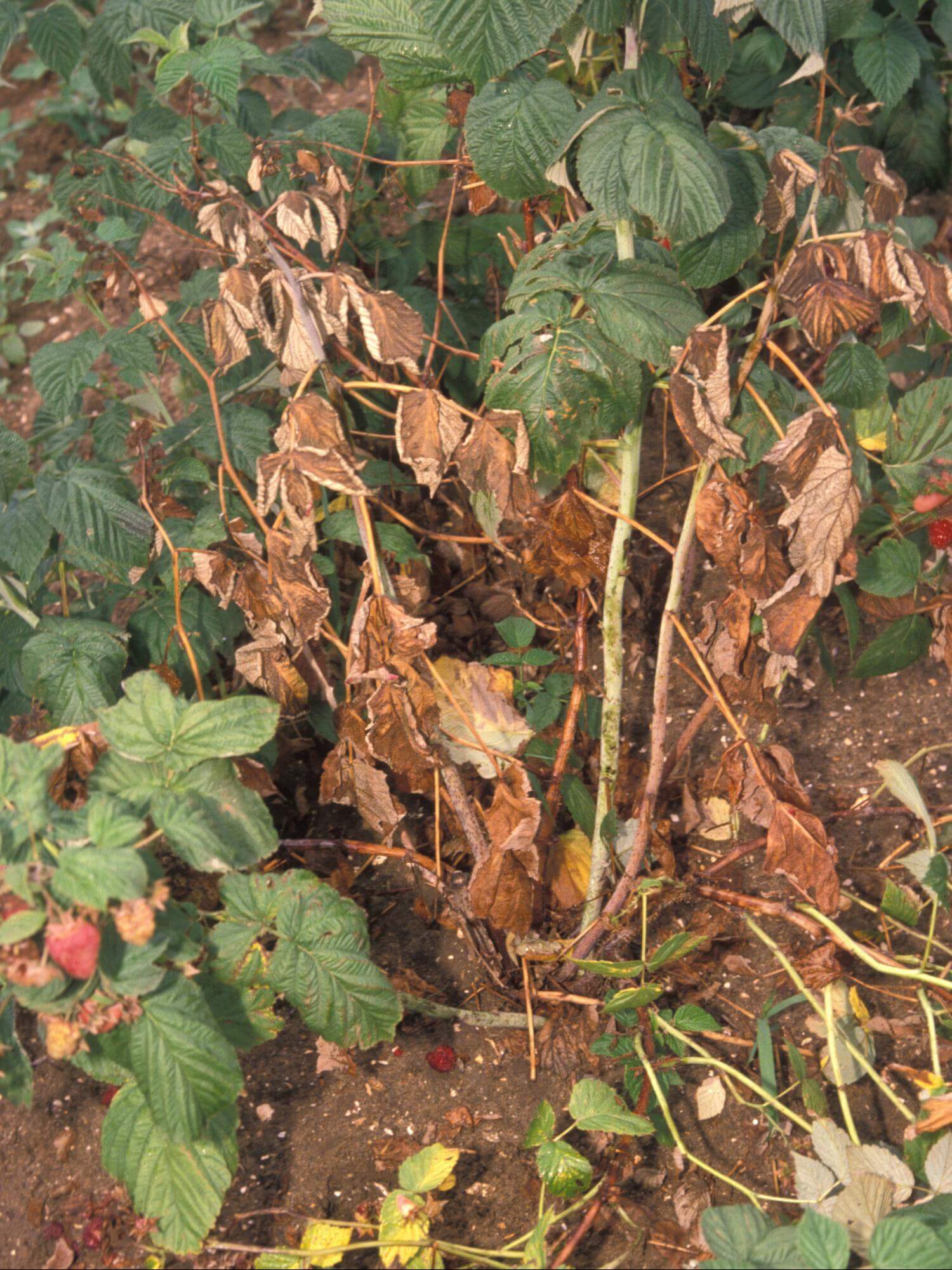
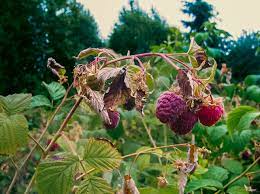
Neck and root rot caused by Phytophthora cactorum and Phytophthora fragariae in raspberries manifests itself with symptoms that seriously compromise the health of the plant and its productive capacity. This disease usually begins with yellowing and wilting of the leaves, followed by a general collapse of the plant due to the destruction of the root and collar tissues. The affected plant shows progressive decline and may die if not managed properly.
- Yellowing and wilting of leaves, especially during water stress conditions.
- Rot and necrosis on the neck and roots, which turn dark brown or black.
- Delay in the growth of new shoots.
- Regressive death of branches.
- Reduction in the size and quality of the fruits.
- Collapse and eventual death of the plant in severe infections.


TEMPERATURE AND HUMIDITY
15°C - 25°C
80% - 100%

TRANSMISSION ROUTES
Contaminated soil, irrigation water, cultivation tools, infected plant remains, contaminated nursery plants
Do you want to remove this disease? Choose how you want to treat it.

TREATMENTS
Chemical treatments
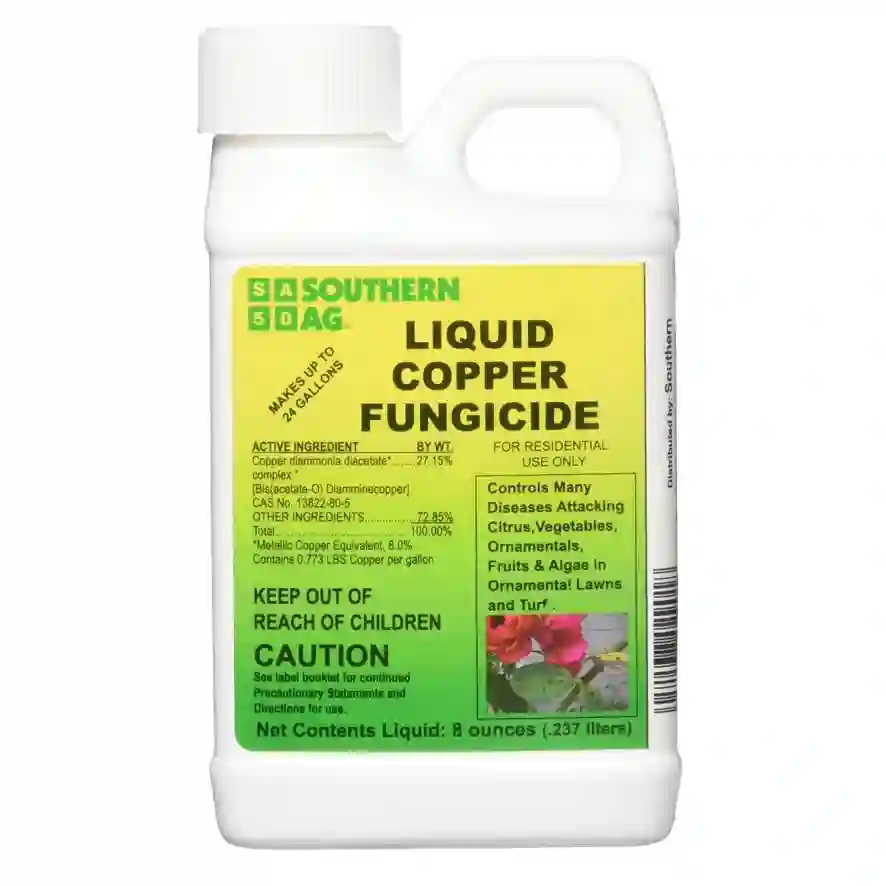
• POTASSIUM PHOSPHONATES 51% (Exp. as phosphorous acid) [SL] P/V
• COPPER OXYCHLORIDE 35% (exp. in Cu) [WG] P/P
• CUPROCALCIC SULFATE 12.4% (EXPR. IN CU) [SC] P/V
Authorized treatments in organic farming
• COPPER OXYCHLORIDE 35% (exp. in Cu) [WG] P/P
• CUPROCALCIC SULFATE 12.4% (EXPR. IN CU) [SC] P/V
Biological control
• BACILLUS AMYLOLIQUEFACIENS subsp. plantarum (strain D747) 5% [SC] P/V
• TRICHODERMA ASPERELLUM (STRAIN ICC012) 2% + TRICHODERMA GAMSII (STRAIN ICC080) 2% (3 X 10E7 CFU/G (SUM OF BOTH MICROORGANISMS)) [WP] P/P
• TRICHODERMA ASPERELLUM (STRAIN T25) (1X10E8 CFU/G) 0.5% + TRICHODERMA ATROVIRIDE (STRAIN T11) (1X10E8 CFU/G) 0.5% [WG] P/P
Recommendations
- Use certified pathogen-free plants to establish new crops.
- Implement an effective crop rotation, avoiding planting raspberries in soils previously infected for several years.
- Improve soil drainage to prevent waterlogging conditions that favor the spread of Phytophthora spp.
- Eliminate and destroy infected plants and plant remains to reduce the source of inoculum in the field.
- Disinfect agricultural tools and equipment before and after use to prevent the spread of the pathogen.
- Use raspberry cultivars resistant or tolerant to Phytophthora spp. when they are available.
- Apply compost and organic matter to the soil to improve its structure and promote a beneficial microbiota that can help suppress the disease.
- Constantly monitor the crop to detect early symptoms and manage the disease in a timely manner.
- Avoid excessive irrigation and ensure good ventilation of the crop to reduce humidity in the soil and at the base of the plants.
- Consider the use of specific fungicides according to technical recommendations and local regulations to prevent and control infections.



*Recommended treatments are still recommendations according to authority databases and in no way replace the guidelines established according to the legislation of each country.
*Products shown are recommendations and not our own products. As Amazon Associates, we earn revenue from purchases of recommended products.

TREATMENTS
Homemade remedies
There are no home treatments
Natural allies
Chemical treatments
There are no treatments for this disease. Treatments are directed at the insect vectors that transmit it. See insect treatments.

RECOMMENDATIONS

REPELLENT PLANTS
EFFECTIVE PRODUCTS TO ELIMINATE THIS DISEASE
*Recommended treatments are still recommendations according to authority databases and in no way replace the guidelines established according to the legislation of each country.
*Products shown are recommendations and not our own products. As Amazon Associates, we earn revenue from purchases of recommended products.



Explore more tools
Services
Contact
Legal
©2023 por ZeriMar Laboratoire. Todos os direitos reservados.