

Rot Or Fusariosis
Fusarium Solani
Pathogen:
Type:
Fungus
Risk:
HIGH
Zanahoria
Fusariosis

WHO CAUSES IT?
Fusarium solani is a phytopathogenic fungus that causes important diseases in a variety of plants, including carrots. This fungus is found in soil and can survive for long periods in the absence of a host by forming resistant spores called chlamydospores. Fusarium solani is introduced into the plant through wounds in the roots or by direct contact with the mycelium. Once inside, the fungus colonizes the plant's vascular system, clogging the vessels and causing symptoms of wilting and rot. The fungus produces conidia, which are dispersed by wind and water, facilitating spread to new plants. In addition, it can persist in the remains of infected plants and in the soil, which complicates its eradication. The ability of Fusarium solani to infect through multiple routes and its persistence in the environment make it a difficult pathogen to control in agricultural crops.
.png)
SYMPTOMS
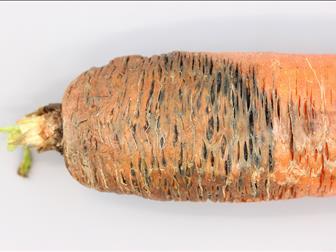
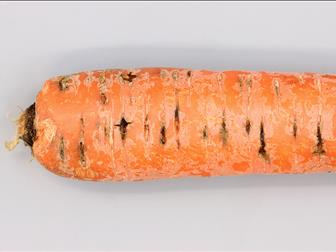
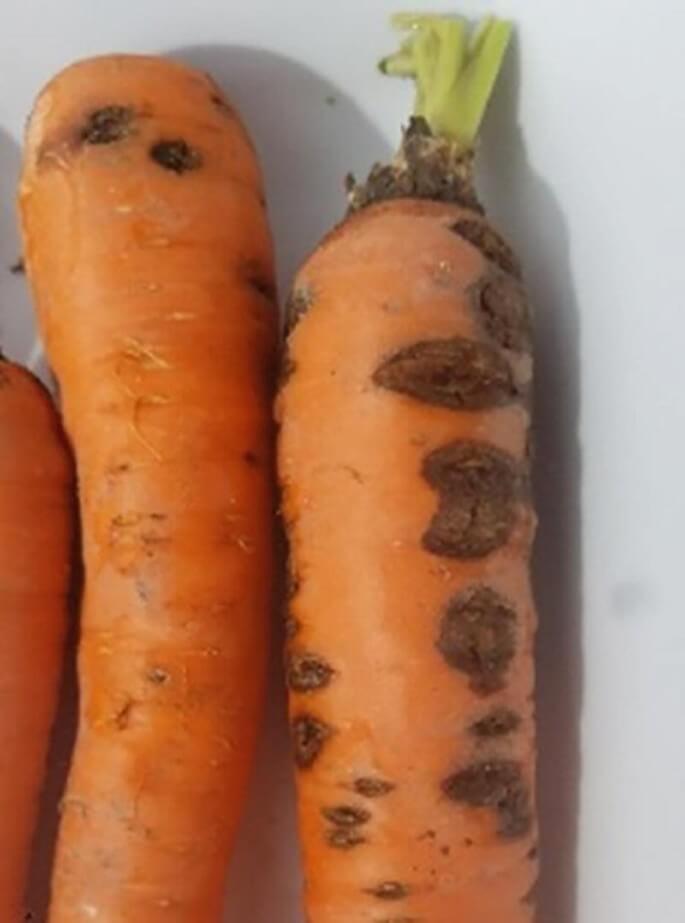
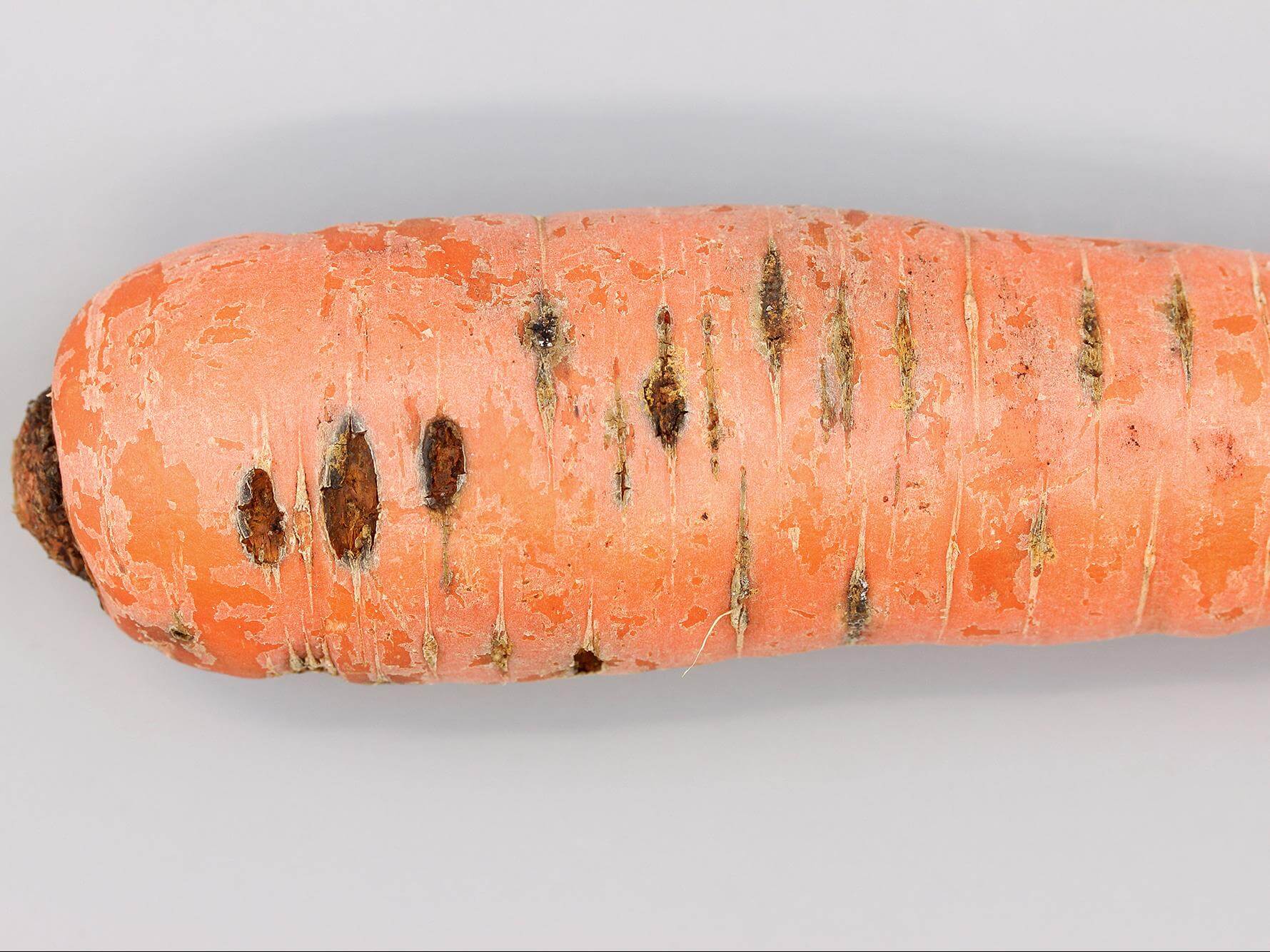
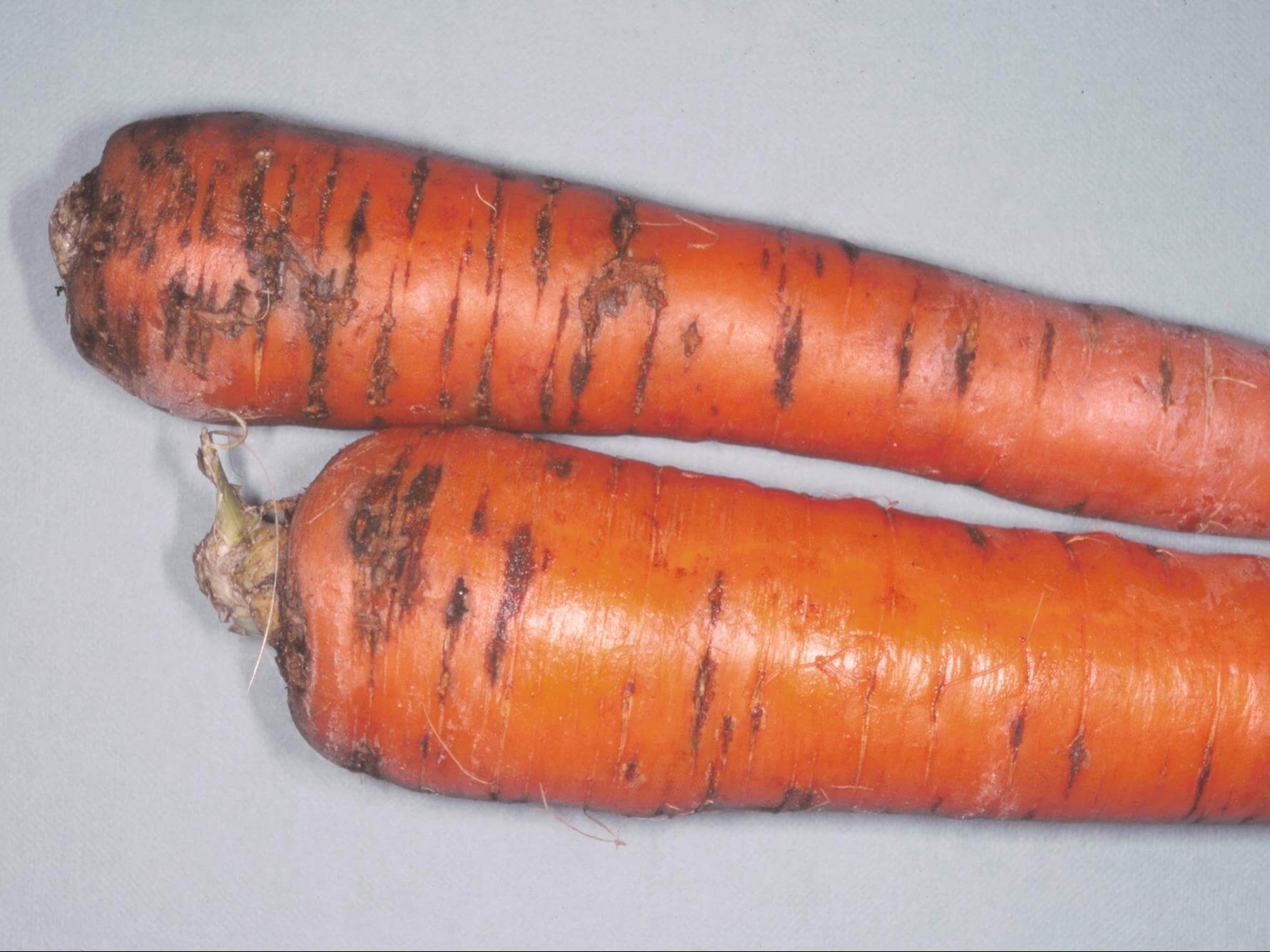
The disease caused by Fusarium solani in carrots manifests itself mainly as rot or fusariosis, affecting both the roots and the aerial part of the plant. Symptoms include discoloration and decay of affected tissues, which can lead to plant death if the infection is severe. In carrots, the infection typically begins at the roots, spreading upward and causing rot.
- Brown to black discoloration at the roots.
- Root rot with an unpleasant odor.
- Wilting of the aerial part of the plant.
- Reduction of plant vigor and growth.
- Tissue necrosis in the affected areas.
- Premature death of severely affected plants.

TEMPERATURE AND HUMIDITY
20°C - 30°C
70% - 90%

TRANSMISSION ROUTES
Irrigation water, Wind, Contaminated tools, Infested soil, Infected plant remains, Infected seeds
Do you want to remove this disease? Choose how you want to treat it.

TREATMENTS
Chemical treatments
• AZOXISTROBIN 25% [SC] P/V
• CIPRODINIL 37.5% + FLUDIOXONIL 25% [WG] P/P
• PIRACLOSTROBIN 6.7% + BOSCALIDE 26.7% (I) [WG] P/P
Authorized treatments in organic farming
-
Biological control
• BACILLUS SUBTILIS (STRAIN QST 713) 1.34% [SC] P/V
• TRICHODERMA ASPERELLUM (STRAIN T25) (1X10E8 CFU/G) 0.5% + TRICHODERMA ATROVIRIDE (STRAIN T11) (1X10E8 CFU/G) 0.5% [WG] P/P
• TRICHODERMA ASPERELLUM (STRAIN T34) 12% (1.0 x 10E12 cfu/kg) [WP] P/P
• TRICHODERMA ATROVIRIDE (STRAIN I-1237) (1x10E8 cfu/g) 5% [WP] P/P
Recommendations
- Use certified pathogen-free seeds.
- Implement crop rotation with non-susceptible plants to reduce the accumulation of the fungus in the soil.
- Improve soil drainage to avoid excess moisture, which favors the spread of the fungus.
- Remove and destroy remains of infected plants after harvest to reduce inoculum in the field.
- Apply preventive and curative fungicides according to technical and integrated pest management recommendations.
- Avoid excessive use of nitrogen fertilizers, as they can increase the susceptibility of plants to infection.
- Regularly monitor crops to detect early symptoms and take control measures quickly.
- Practice soil solarization to reduce the pathogen load in the soil before planting.
Sponsored link

Sponsored link


Sponsored link
Sponsored link
Sponsored link


Sponsored link
Sponsored link
Effective against all types of fungi

Sponsored link


Sponsored link
Sponsored link

Sponsored link


Sponsored link
*Recommended treatments are still recommendations according to authority databases and in no way replace the guidelines established according to the legislation of each country.
*Products shown are recommendations and not our own products. As Amazon Associates, we earn revenue from purchases of recommended products.

TREATMENTS
Homemade remedies
There are no home treatments
Natural allies
Chemical treatments
There are no treatments for this disease. Treatments are directed at the insect vectors that transmit it. See insect treatments.

RECOMMENDATIONS

REPELLENT PLANTS
EFFECTIVE PRODUCTS TO ELIMINATE THIS DISEASE
Sponsored link
Sponsored link
Sponsored link
Sponsored link
Sponsored link
Sponsored link
Sponsored link
Effective against all types of fungi
Sponsored link
Sponsored link
Sponsored link
Sponsored link
Sponsored link
*Recommended treatments are still recommendations according to authority databases and in no way replace the guidelines established according to the legislation of each country.
*Products shown are recommendations and not our own products. As Amazon Associates, we earn revenue from purchases of recommended products.

Enjoy idMicrobe TOTALLY FREE, with no trial periods.


