


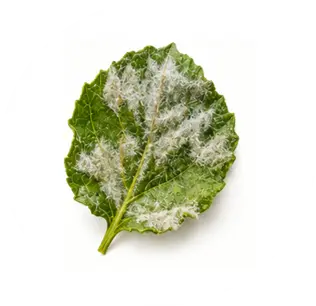
Products and treatments to eliminate downy mildew from plants
How to recognize, treat and eliminate downy mildew from plants
Downy mildew is a disease that can develop rapidly when there is high humidity and favorable conditions for infection. It can affect leaves, stems and fruits, causing spots and progressive weakening of the plant. Acting from the first signs is especially important because, when conditions are favorable, the disease can spread rapidly through the foliage.
How to recognize downy mildew on plants?
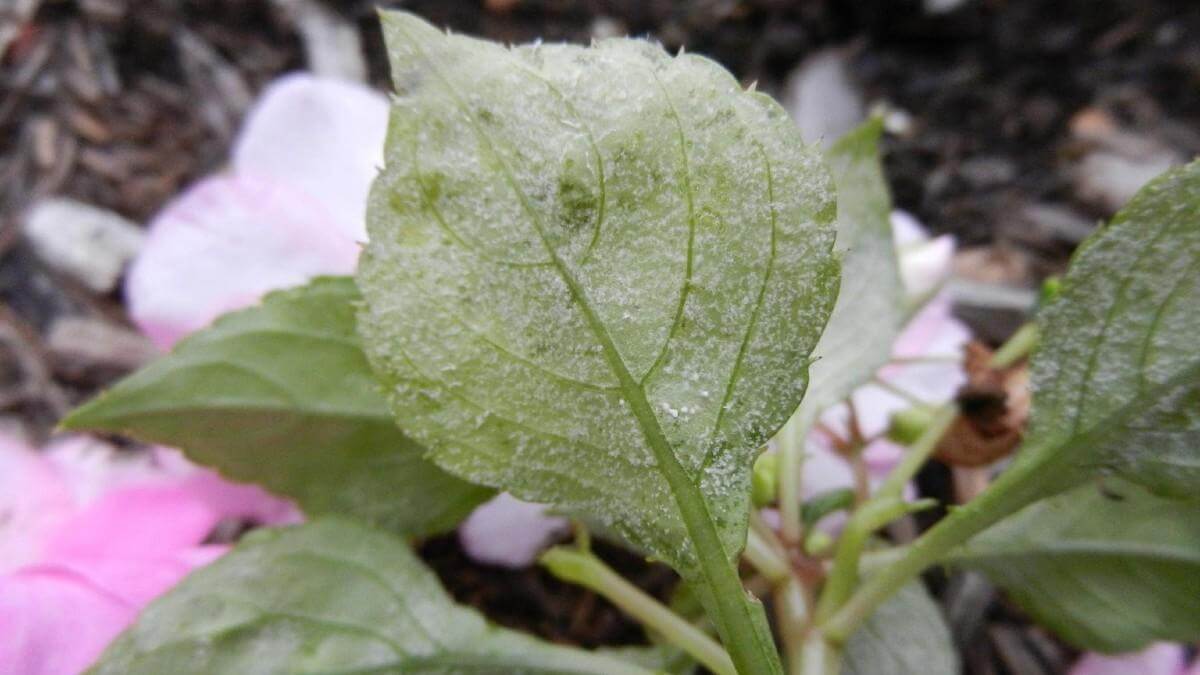
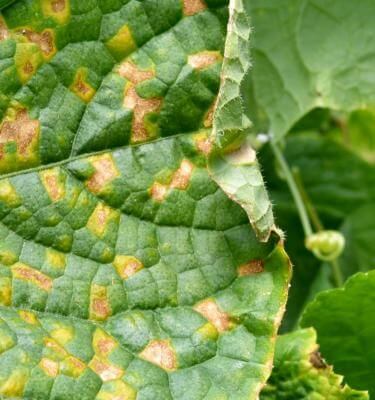
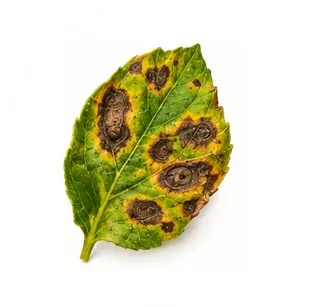
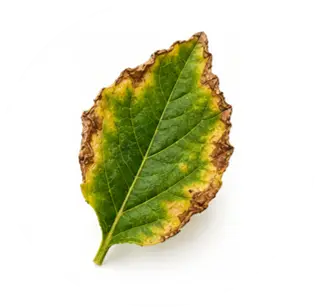
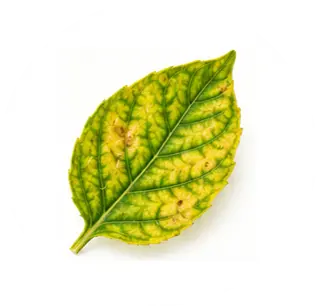
Downy mildew usually begins with small spots or discolored areas on the leaves that increase in size as the disease progresses. The lesions may be yellowish, light green or translucent and, over time, may turn brown and eventually dry out. When there is sufficient humidity, it is common to observe a whitish, grayish or purplish layer on the underside of the leaves, formed by the structures of the fungus that causes the disease.
The main symptoms are:
• Yellowish, light green or translucent spots on the leaves.
• Lesions that progressively increase in size.
• Areas of the leaf that turn brown as the tissue dies.
• Spots that may have irregular shapes and spread across a large part of the leaf.
• Affected areas with a wet or necrotic appearance.
• Presence of a whitish, grayish or purplish layer on the underside of the leaves when sufficient humidity is present.
• Leaves that become deformed, deteriorate or eventually dry out.
• Leaf drop when the infection is severe.
• In some plants, spots or lesions on stems, shoots or fruits.
• Rapid development of lesions when favorable temperatures and humidity coincide.
Do not confuse with powdery mildew
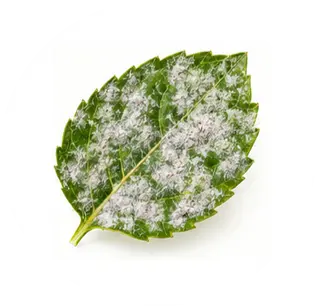
Powdery mildew usually forms a white, powdery-looking layer on the surface of leaves, shoots or fruits. In downy mildew, the first signs are usually spots or discolored areas in the leaf tissue and, when there is humidity, sporulation may appear mainly on the underside.
Do not confuse with Botrytis and other molds
Botrytis usually causes soft, wet areas that begin to rot, especially in damaged or dead tissues, and a gray mold may subsequently appear on the affected parts. Downy mildew is mainly characterized by spots on the leaves and the appearance of sporulation on the underside when conditions are favorable.
Treatments to eliminate downy mildew from plants
Downy mildew is a disease that can progress rapidly when there is high humidity, especially on leaves and young shoots. Therefore, acting from the first signs is essential to protect healthy tissue and prevent the spots from spreading throughout the plant. In addition to treatment, controlling humidity and improving ventilation helps reduce the conditions that favor the development of the disease.
The main recommendations and treatments are:
• Avoid wetting the leaves: reducing the amount of time the leaves remain wet helps make the development and spread of downy mildew more difficult. It is preferable to direct irrigation directly onto the soil and avoid watering the foliage.
• Improve ventilation: maintaining good air circulation around the plant helps reduce humidity on the leaves and makes disease progression more difficult.
• Remove severely affected leaves: removing leaves that have a large number of spots helps reduce infection sites and prevents the disease from continuing to spread to healthy parts.
• Copper: it is an effective solution for protecting the plant against downy mildew, especially as a preventive treatment and when the first symptoms appear. It acts on the plant surface and makes germination and development of the agents responsible for the disease more difficult, helping protect the leaves and limit new infections. In addition, it is one of the main alternatives of ecological origin used to protect against this disease.
• Fungicide with difenoconazole: it is an effective chemical solution for treating downy mildew when localized damage appears and the disease is still concentrated in certain areas of the plant. It acts on essential processes in fungal development and allows the progression of the disease to be slowed, protecting parts that have not yet been affected.
• Fosetyl-Al: it is a systemic treatment especially indicated when downy mildew causes more severe damage or is spread across different areas of the plant. Its ability to distribute throughout the inside of the plant allows it to act against the oomycetes responsible for the disease and promote the protection of new tissues. It is especially useful when the disease is already developing extensively and more comprehensive action is needed.
Products for treating downy mildew

Other common problems
Discover the most common problems and select the one that interests you.




Explore more tools
Services
Contact
Legal
©2023 by ZeriMar Laboratoire. All rights reserved.