


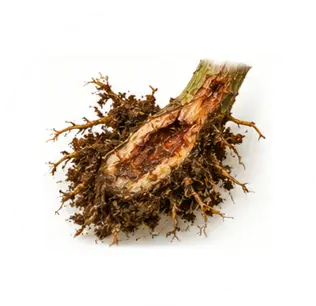
Root and stem rot in plants: how to recognise and control it
Symptoms and treatment of root and stem rot
Root and stem rot is a problem that mainly affects parts of the plant that remain in contact with the soil or growing medium, particularly when moisture levels are high. Affected tissues may become dark, soft and begin to break down, progressively destroying roots and making it difficult for the plant to absorb water and nutrients. Because the roots remain hidden beneath the soil, the problem can develop without being visible until symptoms appear in the above-ground parts, such as yellowing, wilting, loss of vigour or poor growth. Detecting the first signs and acting as soon as possible is essential to prevent the rot from continuing to develop and compromising the survival of the plant.
How to recognise root and stem rot
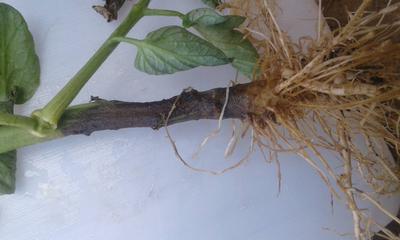
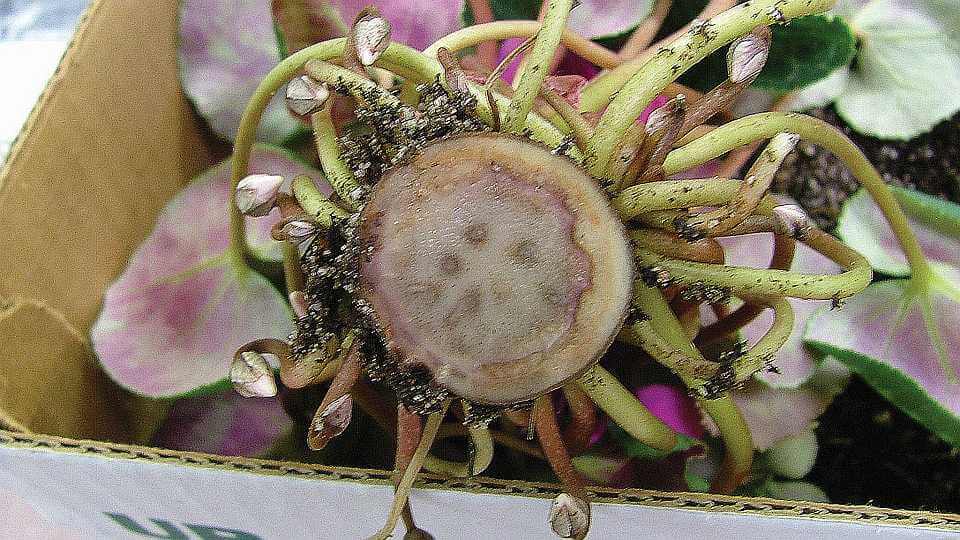
Root rot mainly affects the roots, which begin to deteriorate and lose their ability to absorb water and nutrients properly. Affected roots usually become dark, soft and lose their structure. Although the problem begins below the growing medium, its effects can quickly appear in the above-ground parts of the plant, causing wilting, yellowing and loss of vigour.
The main symptoms are:
• Dark brown, reddish-brown or black roots.
• Soft, weak roots that break down easily when touched.
• Roots that lose their structure and begin to deteriorate.
• Reduction in the number of healthy, firm roots.
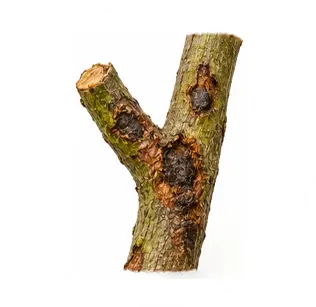
• Darkened, wet or softened stems near the surface of the growing medium.
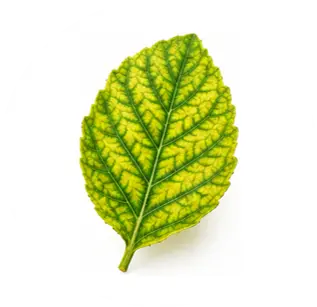
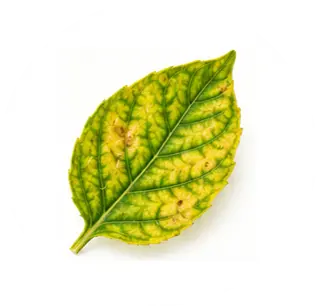
• Leaves turning yellow and losing their green colour.
• Plant wilting even when the growing medium remains moist.
• Progressive loss of vigour.
• Slow or reduced growth.
• Leaves that may fall as the problem progresses.
• Branches that become weakened and may eventually dry out.
• General decline of the plant.
• Death of branches or the entire plant when the rot is severe.
Do not confuse it with lack of water
Lack of water can also cause wilting and loss of vigour, but with root rot the plant may wilt even when the growing medium remains moist. This occurs because damaged roots no longer function properly and cannot absorb water and nutrients effectively.
Treatment recommended against root and stem rot
Root and stem rot is often associated with excessive moisture and pathogens that affect the root system and the basal area of the plant. To control the problem, it is essential to correct soil conditions, prevent waterlogging and act against the disease before root deterioration compromises the development of the entire plant.
The main recommendations and treatments are:
• Reduce excessive moisture: control irrigation and avoid keeping the soil or growing medium constantly wet. Roots need access to oxygen, and excess water favours the development of the pathogens responsible for many types of rot.
• Improve drainage: prevent water from accumulating around the roots. If the soil retains too much water, improving drainage helps maintain more suitable conditions for the root system.
• Avoid waterlogging: do not overwater or allow water to accumulate in saucers or areas close to the plant crown.
• Check the roots and crown: regularly checking the condition of the roots and basal stem area makes it possible to detect darkening, softening or deterioration before the disease progresses.
• Remove severely affected parts: whenever possible, remove roots or tissues that are completely rotten to reduce the amount of diseased tissue and facilitate plant recovery.
• Fosetyl-Al: is a systemic fungicide that is distributed throughout the plant and is commonly used against diseases caused by soil-borne oomycetes such as Phytophthora and Pythium. In addition to acting against these pathogens, it stimulates the plant's natural defence responses. It is particularly useful when the disease affects the roots and basal stem area, as it allows action from within the plant against problems associated with the root system.
Products for treating root and stem rot

Other common problems
Discover the most common problems and select the one that interests you.



Explore more tools
Services
Contact
Legal
©2023 by ZeriMar Laboratoire. All rights reserved.