


Scale insects on plants: how to identify and control them
How to identify scale insects and protect stems, leaves and branches
Scale insects are small insects that remain attached to leaves, stems and branches, where they feed on sap. Their immobile appearance can make them easy to overlook until the infestation has become advanced.
How to identify scale insects?
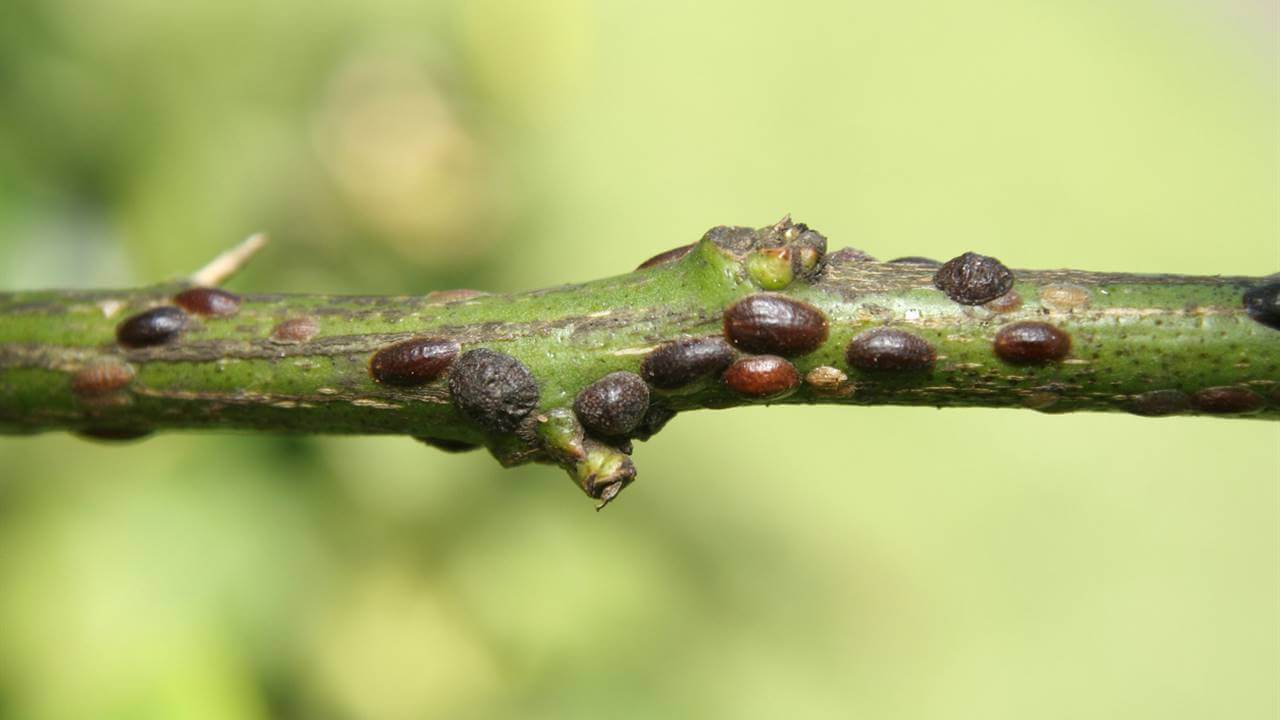
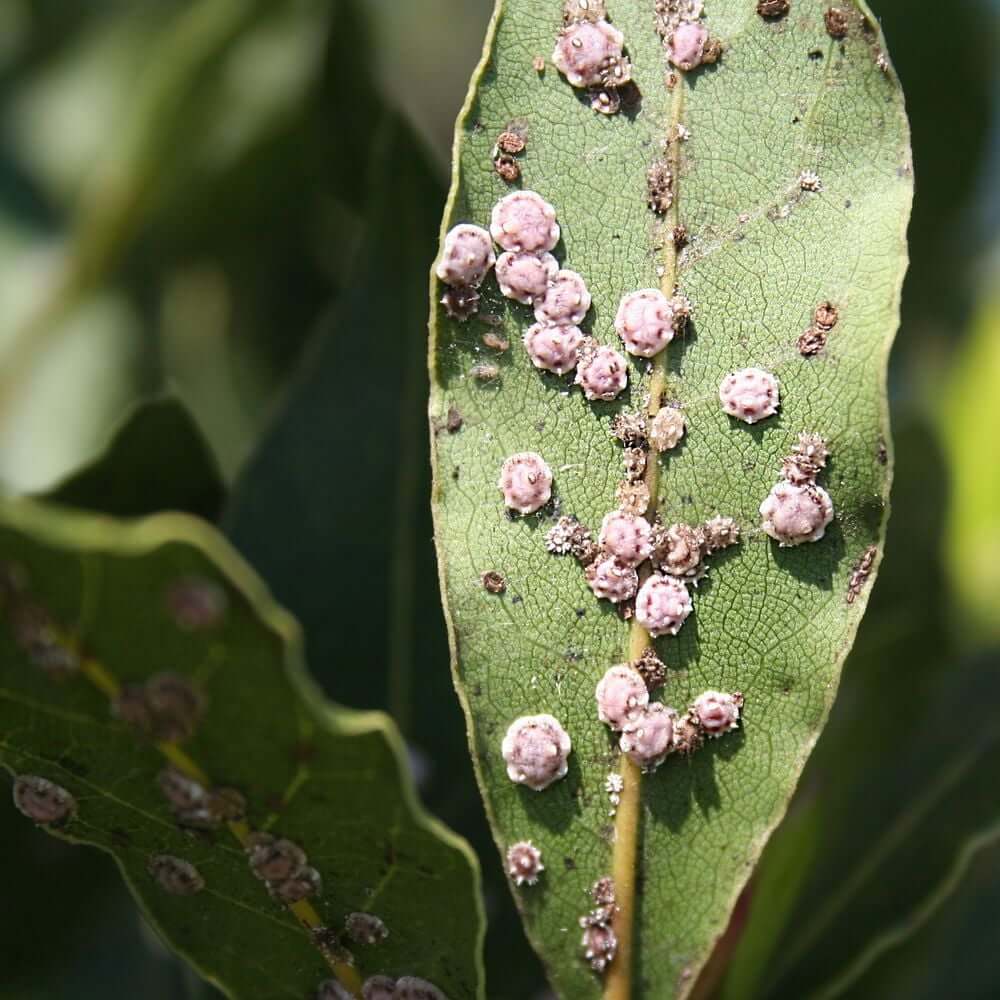
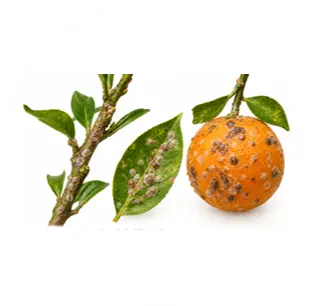
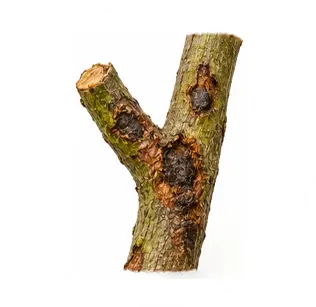
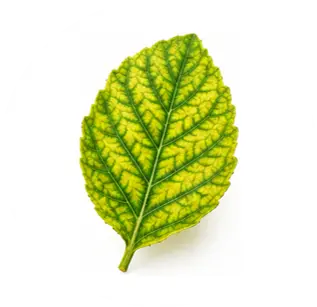
Scale insects are small insects that remain attached to the surface of the plant and can appear on leaves, stems, branches and, in some species, fruits. They usually have the shape of a small disc, plate or bump and can have different colors depending on the species. By feeding on sap, they can progressively weaken the plant and cause yellowing, loss of vigor and leaf drop.
The main symptoms are:
• Small dots, discs, plates or bumps attached to leaves, stems or branches.
• Scale insects that are brown, black, gray, white or other colors depending on the species.
• Presence of numerous individuals grouped on stems, branches or the underside of leaves.
• Leaves that begin to turn yellow or lose color intensity.
• Weakened leaves that may become deformed, dry out or fall.
• Slower growth and general loss of vigor.
• Weakened branches or reduced growth when the infestation is severe.
• Presence of a sticky substance on leaves, stems or fruits in species that produce honeydew.
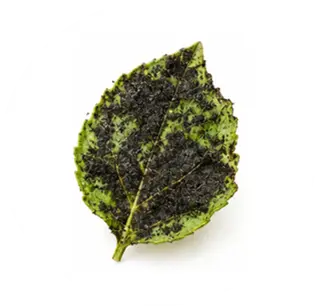
• Appearance of a black layer of sooty mold on surfaces covered with honeydew.
• Presence of scale insects on fruits in some species.
Do not confuse with mealybugs.
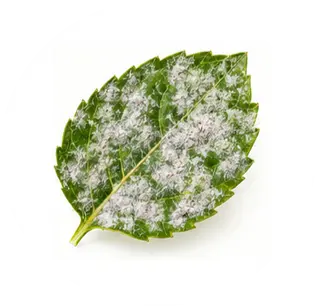
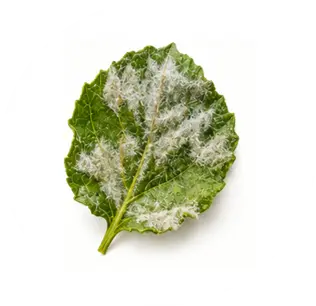
Mealybugs usually have a white, cotton-like covering that can accumulate around the insect's body. Scale insects, on the other hand, usually look like small plates, discs or bumps firmly attached to the plant and do not have a cotton-like appearance.
Do not confuse with whiteflies.
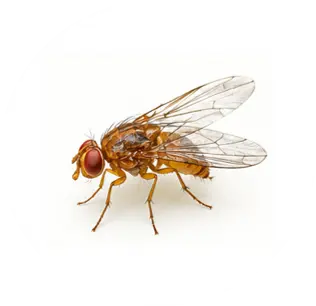
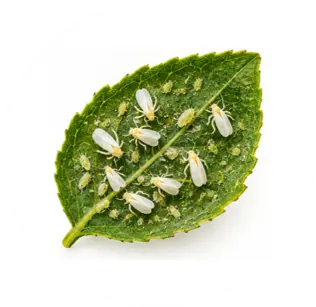
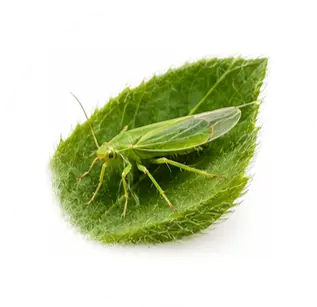
Adult whiteflies are small white-winged insects that are usually found on the underside of leaves and fly away when the plant is moved. Scale insects remain attached to the surface of leaves, stems or branches and hardly move.
Recommended treatments for scale insects
Scale insects are particularly difficult to control because of the waxy covering that protects their bodies. This covering acts as a shield against contact treatments, while larvae and other young stages may remain protected underneath it. For this reason, when the infestation is advanced or widespread, it is important to use treatments capable of reaching the pest through feeding, using the plant's own sap to reach protected insects.
The main recommendations and treatments are:
• Inspect leaves, stems and branches: scale insects remain firmly attached to the plant, so it is advisable to inspect stems, leaf veins and protected areas to locate infestation sites and act before they increase.
• Remove visible scale insects: when the infestation is localized, manually removing the scale insects with a damp cloth helps directly eliminate attached individuals and reduce the population before it spreads.
• Potassium soap and neem oil: help clean the plant, remove honeydew and act on exposed scale insects. They are especially useful as a supplement when the infestation is still localized and help keep the surface of leaves and stems clean.
• Systemic or translaminar insecticide: is the most suitable solution when scale insects are protected under their waxy covering, the infestation is severe or it is spread throughout the plant. These treatments allow the insecticide to reach the plant tissues and act on the scale insects when they feed on the sap, overcoming the protection that limits the action of contact-only treatments.
Products for treating scale insects

Other common problems
Discover the most common problems and select the one that interests you.



Explore more tools
Services
Contact
Legal
©2023 by ZeriMar Laboratoire. All rights reserved.