


Products and treatments to eliminate scale insects from plants
How to identify, treat and eliminate scale insects from plants
Scale insects are a very common pest that can appear on indoor plants, garden plants and vegetable crops. They feed on sap and usually hide on leaves, stems and protected areas of the plant. If the infestation increases, they can weaken the plant and contribute to the appearance of other problems.
How to identify scale insects on plants?


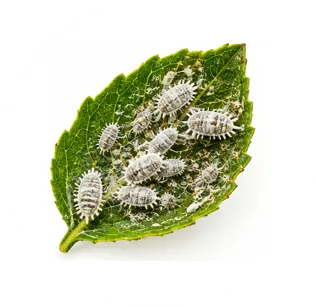
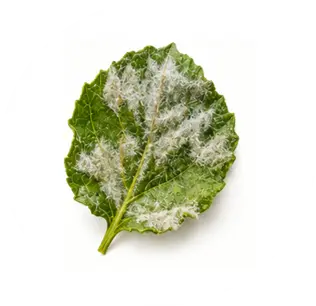
Scale insects can appear as small insects attached to leaves, stems and branches. Some have a white and cotton-like appearance, while others have a hard, scale-like covering. They feed on plant sap and can cause weakening, yellowing and loss of vigor. In addition, some species produce honeydew, a sticky substance that can encourage the appearance of a black layer on the leaves.
The main symptoms are:
• Small white, cotton-like insects or insects with a scale-like appearance.
• Scale insects attached to leaves, stems, branches or protected areas of the plant.
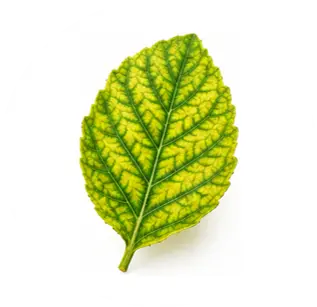
• Yellowing leaves or loss of color.
• Slower growth and loss of vigor.
• Presence of a sticky substance on leaves and stems.
• Appearance of a black layer on the leaves due to sooty mold growing on the honeydew.
• Leaves that become deformed, dry out or eventually fall when the infestation is severe.
Do not confuse with whiteflies or armored scale insects.
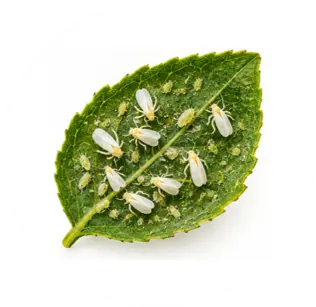
Scale insects can be confused with other insects that also appear attached to plants. Whiteflies are small winged insects that form cotton-like clusters and can often be confused with scale insects, but if you pay attention, you will see small flies flying away when the plant is moved.
Armored scale insects have a hard covering attached to the plant, while scale insects have a white, cotton-like appearance and are soft to the touch.
Treatments to eliminate scale insects from plants
When scale insects appear on the plant, acting quickly helps prevent the population from increasing and the honeydew they produce from attracting other problems. Manual removal and cleaning the affected areas help reduce the first infestation sites, while potassium soap and neem oil help control the scale insects that remain on the plant. When the infestation is severe or difficult to control, a specific insecticide allows for a more direct treatment.
The main recommendations and treatments are:
• Manual removal: when there are only a few scale insects, removing them directly allows the population to be reduced quickly and eliminates the first infestation sites.
• Clean the leaves: wiping the leaves and stems with a damp cloth helps remove scale insects, pest residues and the sticky honeydew they leave on the plant, improving its appearance and supporting its recovery.
• Potassium soap and neem oil: an effective solution for controlling scale insects that are exposed on the plant. Potassium soap acts by contact on the insects and helps remove honeydew, while neem oil complements the treatment and helps reduce their feeding and development. It is especially recommended when the infestation is still localized.
• Specific insecticide: the recommended solution when the infestation is severe, widespread or difficult to control with contact treatments. It acts directly on the scale insect population and helps reduce the pest quickly.
Products for treating mealybugs

Other common problems
Discover the most common problems and select the one that interests you.



Explore more tools
Services
Contact
Legal
©2023 by ZeriMar Laboratoire. All rights reserved.