


Products and treatments to eliminate mold from plants
How to recognize, treat and eliminate mold from plants
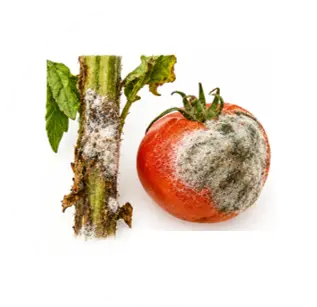
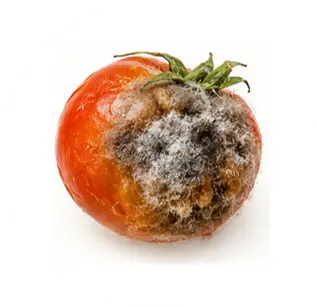
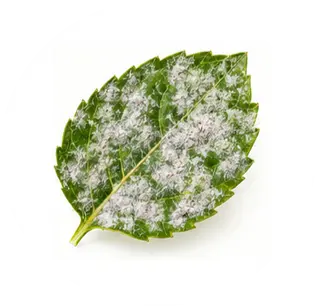
Mold appears when certain fungi find favorable conditions to develop on plant tissues. High humidity, poor ventilation and the presence of damaged tissues can favor its appearance and rapid spread. It can affect leaves, stems, flowers and fruits, forming areas covered by a cottony, powdery or velvety-looking layer.
How to recognize mold on plants?
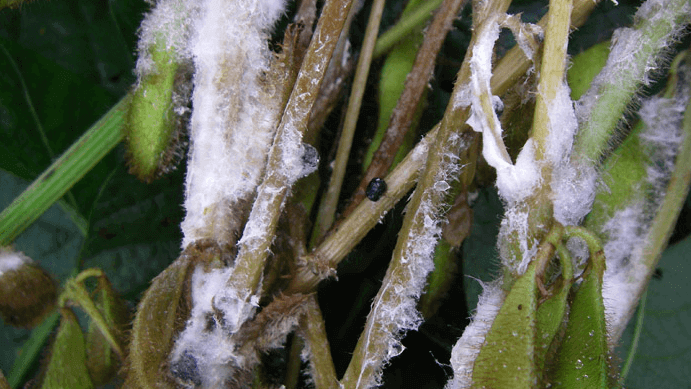
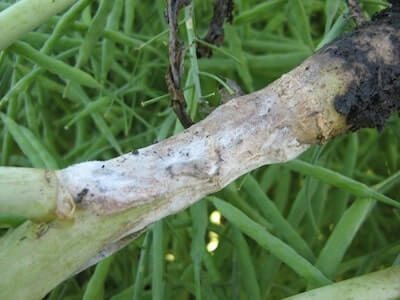
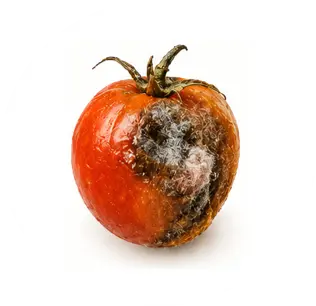
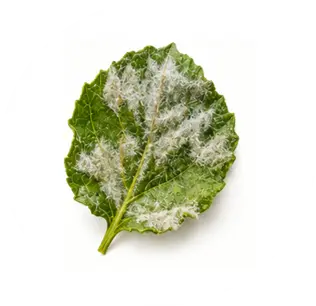
Mold usually appears as a visible layer on the surface of plant tissues. It may have different colors and textures depending on the fungus and the part of the plant affected. It is common to find it on wet, damaged or decomposing tissues, especially when humidity is high.
The main symptoms are:
• Cottony, powdery or velvety-looking layer on leaves, stems, flowers or fruits.
• White, gray, greenish, yellowish or brown areas on affected tissues.
• Mold that progressively increases in size and covers new areas of the plant.
• Tissues that begin to darken, soften or deteriorate beneath the layer of mold.
• Flowers and fruits that soften and begin to decompose.
• Areas of the plant that show moisture and deterioration around the mold.
• Affected leaves that may turn yellow, dry out or fall.
• Rapid appearance and spread of mold under conditions of high humidity.
• Presence of dead or decomposing tissues on which mold can develop easily.
Treatments to eliminate mold from plants
Mold develops particularly well when there is excess moisture, poor ventilation and plant tissues that remain wet for long periods. Therefore, in addition to treating the affected areas, it is important to reduce humidity and improve air circulation around the plant. Acting at the first signs helps limit its spread and protect tissues that are still healthy.
The main recommendations and treatments are:
• Reduce humidity: avoid overwatering and try to prevent leaves from remaining wet for prolonged periods, as this helps create conditions that are less favorable for mold development.
• Improve ventilation: increasing air circulation around the plant promotes faster drying of the leaves and reduces accumulated humidity.
• Remove affected parts: removing leaves, stems or fruits that show a significant amount of mold helps eliminate infection sources and prevents the problem from continuing to spread.
• Avoid wetting the leaves: directing water directly onto the soil reduces moisture on the foliage and helps prevent new outbreaks of mold.
• Copper: an effective solution for protecting the plant surface and limiting the development of numerous fungi. It acts on the plant surface and interferes with the germination and development of the agents that cause the disease. It is particularly recommended as a preventive treatment and when the first signs of contamination appear, helping protect healthy tissues and limit new infections.
• Chemical fungicide: when mold is already established and lesions begin to spread, an authorized chemical fungicide allows a specific treatment to be carried out against the active disease. This is the appropriate solution when the problem is clearly developed and it is necessary to stop its progression and protect the healthy parts of the plant.
Products for treating mold

Other common problems
Discover the most common problems and select the one that interests you.



Explore more tools
Services
Contact
Legal
©2023 by ZeriMar Laboratoire. All rights reserved.