


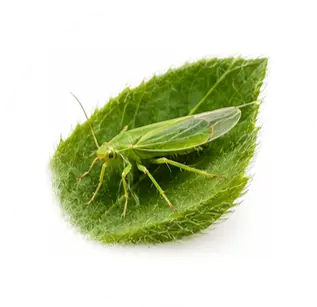
Green leafhoppers on plants: how to recognize and control them
How to identify green leafhoppers and protect your plant leaves
Green leafhoppers are small insects that feed on plant sap, mainly on leaves, young shoots and other young parts. When feeding, they can cause small tissue damage, deformation, loss of vigor and progressive weakening of the plant when their presence is high. They tend to concentrate in areas of active growth, where they can reproduce and rapidly increase their populations under favorable conditions. Detecting the first signs and acting as soon as possible is important to prevent the population from increasing and the damage from spreading throughout the plant.
How to recognize green leafhoppers?
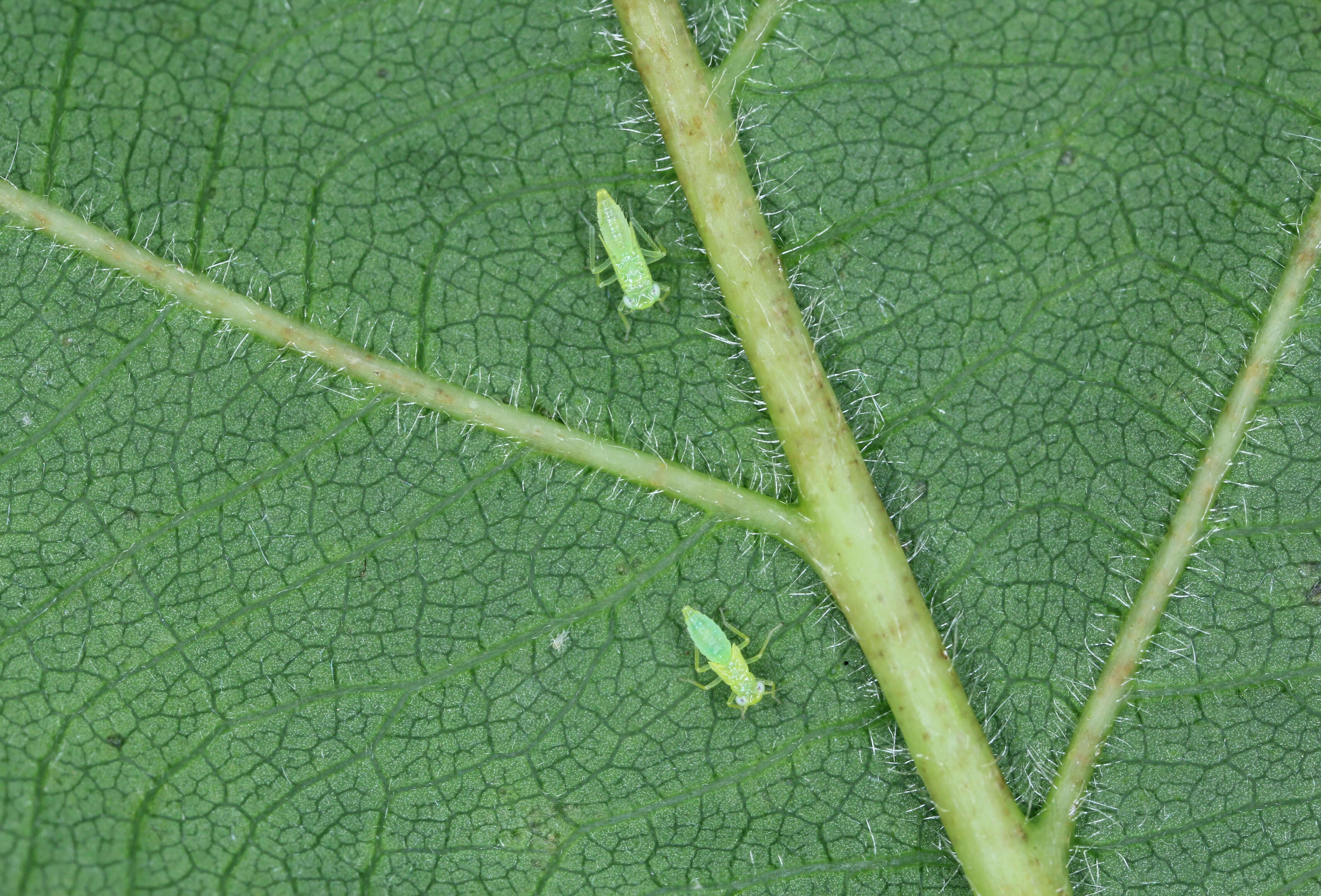
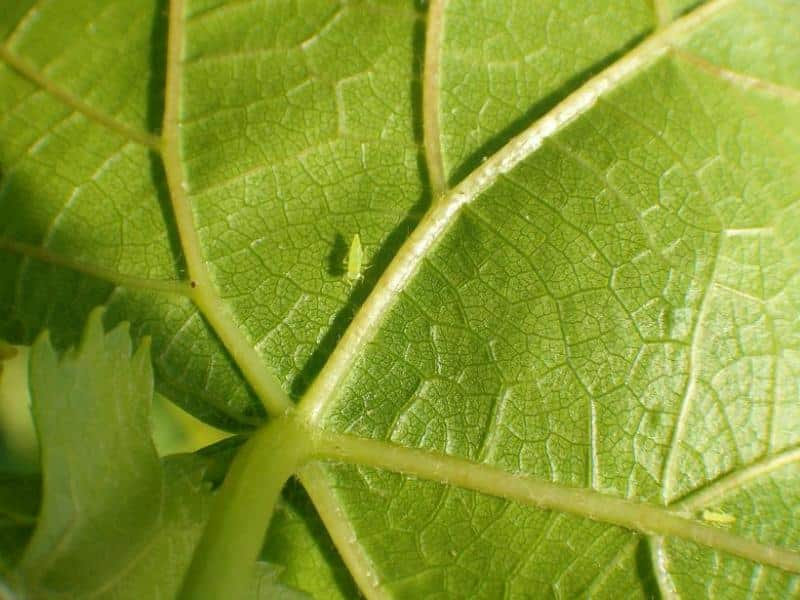
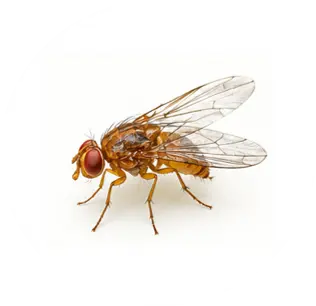
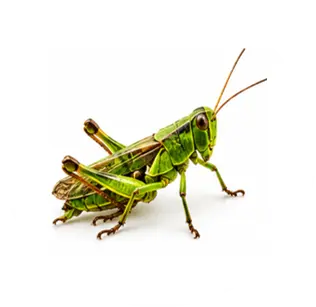
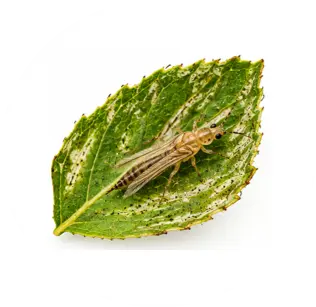
Green leafhoppers are small insects with elongated bodies, generally green in color, that are usually found on leaves and young shoots. They move quickly and may jump or fly when disturbed. They feed on plant sap, and their feeding punctures can cause small discolored spots and progressive weakening when the infestation is severe.
The main symptoms are:
• Presence of small, usually green, elongated insects on leaves and shoots.
• Insects that move quickly when an attempt is made to touch them.
• Short jumps or flights when the plant is disturbed.
• Greater presence on the underside of leaves and on young shoots.
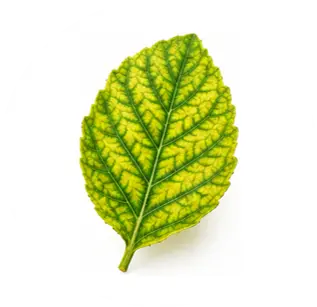
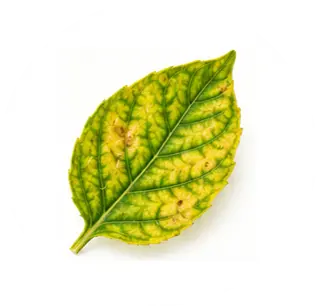
• Small pale or yellowish spots on leaves.
• Leaves with discolored areas caused by feeding punctures.
• Progressive yellowing when the infestation is severe.
• Leaves that may lose vigor and deteriorate during severe attacks.
• Weakened plants with reduced growth when the population is high.
Do not confuse with aphids
Aphids usually form colonies on young shoots, stems and the underside of leaves. Their bodies are generally more rounded and they remain relatively still while feeding. Green leafhoppers have a more elongated body and move quickly or jump when disturbed.
Do not confuse with whitefly
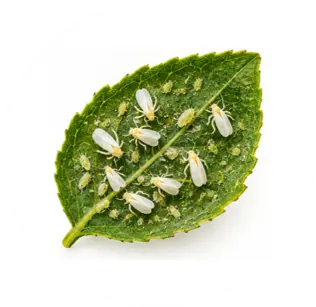
Whitefly is white and adults have wings. When the plant is moved, several individuals usually fly away at the same time, forming a small cloud around the leaves. Green leafhoppers are generally green, more elongated and move quickly across the plant surface.
Do not confuse with thrips
Thrips are very small, narrow and elongated insects. Their damage usually produces silvery or whitish areas, small dark excrement spots and deformation of leaves, shoots or flowers. Green leafhoppers mainly produce small discolored and yellowish spots as a result of their feeding punctures.
Recommended treatments for green leafhoppers
Green leafhoppers feed on plant sap and can cause weakening, yellowing and leaf damage when their population increases. Adults and nymphs move quickly and may be found on the underside of leaves and in difficult-to-reach areas. Therefore, treatments that reach the insect through the plant sap are particularly effective for controlling the pest and reducing its population.
The main recommendations and treatments are:
• Inspect the underside of the leaves: regularly checking the lower surface of the leaves makes it possible to detect nymphs and adults and locate the pest before its population increases.
• Remove heavily affected leaves: removing leaves with significant damage helps reduce pest hotspots and promotes plant recovery.
• Sticky traps: these can capture some flying adults and help detect and reduce the population around the plant. They are particularly useful as a complement to treatment.
• Potassium soap and neem oil: these help control insects found on the plant surface. Potassium soap acts by contact on exposed individuals, while neem oil complements its action and helps reduce feeding and development. They are particularly useful when the pest is still localized.
• Systemic insecticide: this is the main solution when there is a severe infestation or the pest has spread throughout the plant. Once absorbed and distributed through the plant tissues, it allows the insecticide to reach insects when they feed on the sap, even when they are in difficult-to-reach areas. In this way, the treatment acts on the pest from within the plant and effectively reduces the population.
Products for treating leafhoppers

Other common problems
Discover the most common problems and select the one that interests you.



Explore more tools
Services
Contact
Legal
©2023 by ZeriMar Laboratoire. All rights reserved.