


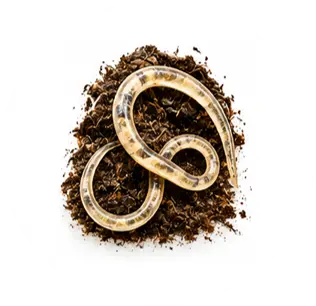
Nematodes in plants: how to recognize and control them
Symptoms and treatment of soil nematodes
Plant-parasitic nematodes are microscopic organisms that live in the soil and can attack plant roots, where they feed on plant tissues and disrupt their function. The damage can lead to poor root development, progressive weakening, reduced growth and symptoms in the above-ground parts of the plant, such as yellowing, wilting or loss of vigor. In many cases, the problem begins in the root system and can progress before symptoms become clearly visible. For this reason, recognizing the first signs and acting as soon as possible is essential to prevent continued root damage from affecting plant development.
How to recognize damage caused by nematodes
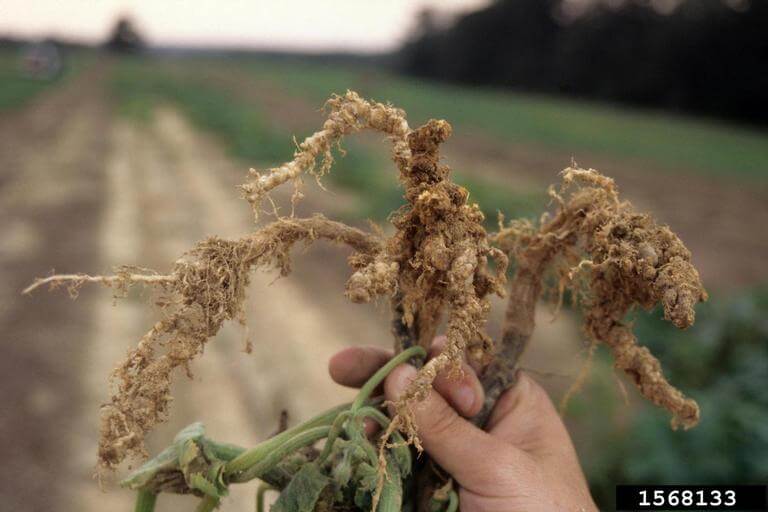
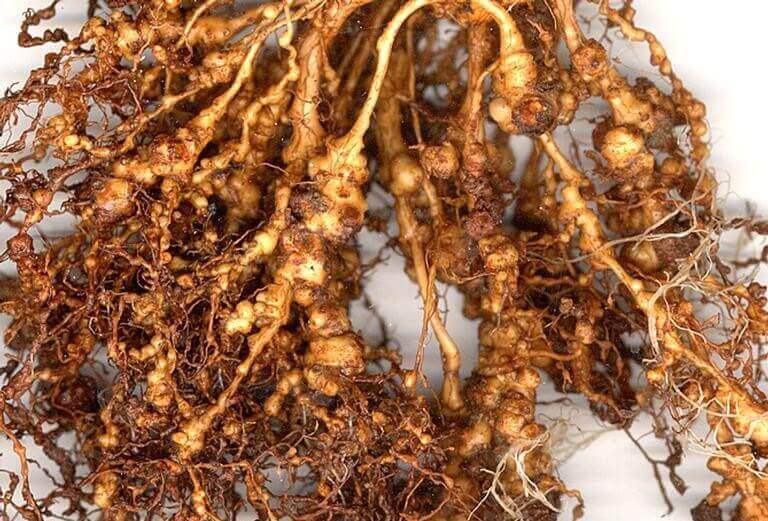
Nematodes are microscopic organisms that can mainly affect plant roots. The damage varies depending on the species, but they generally interfere with water and nutrient uptake and cause progressive weakening of the plant. Symptoms may first appear in the above-ground parts, while the roots may show different types of lesions or deformities.
The main symptoms are:
• Slow growth or reduced plant development.
• Plants that are clearly smaller than others in the same area.
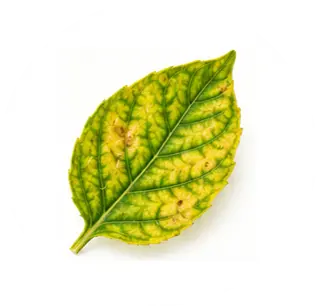
• Yellowing leaves or loss of color.
• General loss of vigor.
• Wilting that may occur even when the soil has sufficient moisture.
• Plants that recover poorly after periods of heat or water stress.
• Poorly developed roots or a reduced root system.
• Roots with lesions, darkened areas or damaged tissues.
• Deformed roots or irregular root growth.
• Presence of galls or swellings on the roots in certain types of nematodes.
• Roots with fewer fine roots and reduced capacity to absorb water and nutrients.
• Plants affected irregularly, with weak specimens growing alongside others with normal growth.
• Areas of the crop where plants with reduced development are concentrated.
Treatments recommended against nematodes
Soil nematodes mainly affect roots and can cause weakening, reduced growth, yellowing and loss of plant vigor. Because they remain in the soil, treatment should be directed specifically at the substrate and the area where the roots are located. Acting on the soil and maintaining good root conditions can help reduce the impact of the pest and support plant recovery.
The main recommendations and treatments are:
• Check the condition of the roots: when a plant shows weak growth, yellowing or loss of vigor without an obvious cause, checking the roots can help detect damage associated with nematodes and assess the severity of the problem.
• Improve soil conditions: maintaining well-structured, well-aerated and well-drained soil promotes root development and helps the plant tolerate the presence of nematodes more effectively.
• Avoid excessive moisture: controlling irrigation and preventing waterlogging helps keep the roots in better condition and supports their recovery.
• Add organic matter: maintaining good organic matter content in the soil promotes biological activity and helps improve conditions around the roots.
• Neem seed powder: this is a specific solution for acting against nematodes present in the soil. It is incorporated into the substrate and releases compounds from neem seeds that help reduce the nematode population around the roots. It is particularly useful for treating the soil directly and protecting the root zone.
Products for treating nematodes

Other common problems
Discover the most common problems and select the one that interests you.



Explore more tools
Services
Contact
Legal
©2023 by ZeriMar Laboratoire. All rights reserved.