


Thrips on plants: how to identify and control them
How to identify thrips and protect leaves, flowers, and young shoots
Thrips are small, elongated insects that feed on plant tissues, especially young leaves, flowers, and tender shoots. As they feed, they scrape and damage the surface of the tissues, causing silvery or whitish marks, small deformities, stippling, and irregular growth in the affected parts. They can also cause significant damage to flowers and developing fruits, reducing their quality and affecting their growth. Their small size and ability to hide among leaves and flowers mean that the damage is often visible before the insects themselves. Therefore, recognizing the first signs and acting as soon as possible is essential to prevent the population from increasing and the damage from spreading throughout the plant.
How to identify thrips
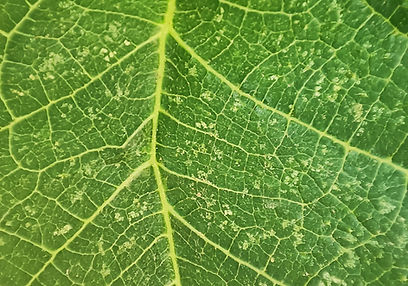
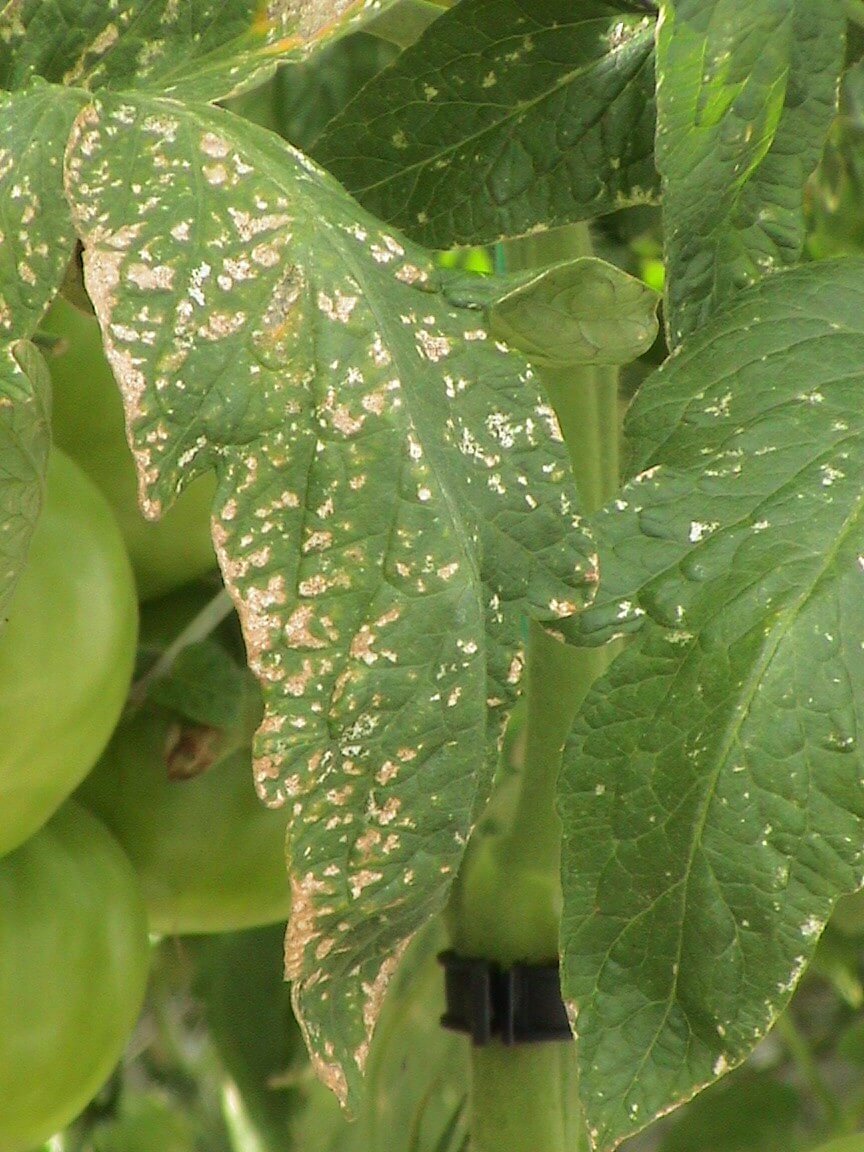
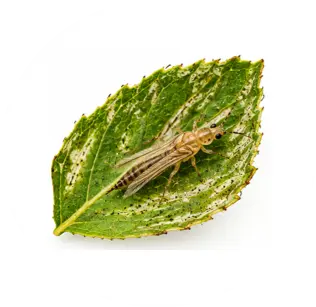
Thrips are very small insects with narrow, elongated bodies that may be yellowish, brown, or black depending on the species. They move quickly and are usually found on leaves, flowers, and young shoots, especially in protected areas of the plant. As they feed on plant tissues, they cause small lesions that can give leaves and flowers a silvery or discolored appearance.
The main symptoms are:
• Small light-colored spots or discolored areas on the leaves.
• Silvery or shiny-looking marks on the surface of the leaves.
• Discolored areas that increase as the infestation continues.
• Leaves with a stippled or irregular appearance.
• Small black spots on the leaves caused by thrips droppings.
• Deformed leaves or irregular growth.
• Deformed young shoots or reduced growth.
• Petals with spots, discolored areas, or small areas of damage. • Damaged or deformed flower buds.
• Flowers that lose quality or deteriorate when the infestation is severe.
• Small elongated insects present on leaves, flowers, or young shoots.
• Insects that move quickly when disturbed.
Do not confuse with mites
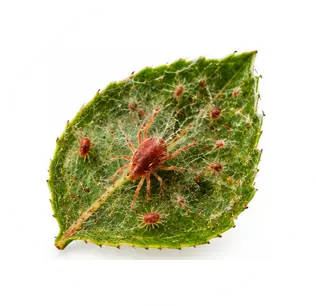
Mites are even smaller and usually produce very fine, widespread stippling on the leaves. When the infestation is severe, some species can produce fine webbing on leaves and young shoots. Thrips usually produce more visible silvery marks and small black spots from their droppings.
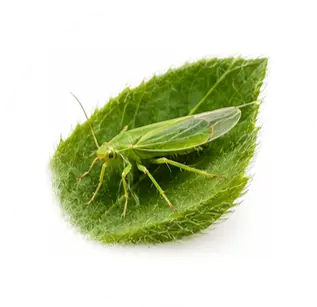
Do not confuse with leafhoppers
Leafhoppers have a broader body and usually jump or make short flights when disturbed. Thrips have a much narrower and more elongated body and usually move quickly across the surface of leaves and flowers.
Recommended treatments for thrips
Thrips are small insects that easily hide in flowers, young shoots, and on the underside of leaves, where they feed on plant tissues. Due to their small size and ability to move quickly, it is important to act at the first signs and choose the treatment according to the presence and development of the pest.
The main recommendations and treatments are:
• Check flowers, young shoots, and the underside of leaves: inspecting these areas helps detect the first thrips and symptoms such as small spots, discoloration, or deformities before the pest spreads.
• Remove severely affected parts: removing heavily damaged leaves and flowers helps reduce hiding places and the number of thrips present on the plant.
• Yellow sticky traps: an excellent complement to any control strategy, as they help capture adult thrips moving around the plant and gradually reduce the population. They can be used together with potassium soap and neem oil, predatory mites, or insecticides to strengthen control and prevent new individuals from increasing the infestation.
• Potassium soap + neem oil: a good solution when symptoms are limited and the thrips population is still low. Potassium soap acts by contact on exposed insects and helps reduce the individuals present, while neem oil complements the treatment and helps keep the population under control. Acting at this stage is especially recommended to prevent the pest from becoming established.
• Predatory mites: an excellent biological control option when the first signs of thrips are detected. These predators feed on the mobile stages of the pest and help keep it under control from the first appearance. Their use is especially interesting as a preventive and early-control strategy, before the infestation spreads and becomes firmly established.
• Systemic or translaminar chemical insecticide: when significant damage appears, the pest is widespread, or the infestation repeatedly returns and becomes established again, a chemical insecticide treatment may be necessary. It helps quickly reduce the population and acts on thrips feeding on the plant, reaching areas where a surface treatment is more difficult.
Products for treating thrips

Other common problems
Discover the most common problems and select the one that interests you.



Explore more tools
Services
Contact
Legal
©2023 by ZeriMar Laboratoire. All rights reserved.