


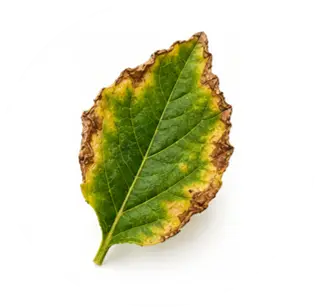
Potassium deficiency in plants: how to identify and correct it
How to identify potassium deficiency in plants and which treatment to use
Potassium is an essential nutrient for water balance, plant resistance and the development of leaves, stems, flowers and fruits. When there is a deficiency, the leaves may begin to yellow and dry out at the edges, while the plant loses vigor and its growth may be affected.
How to identify potassium deficiency in plants?
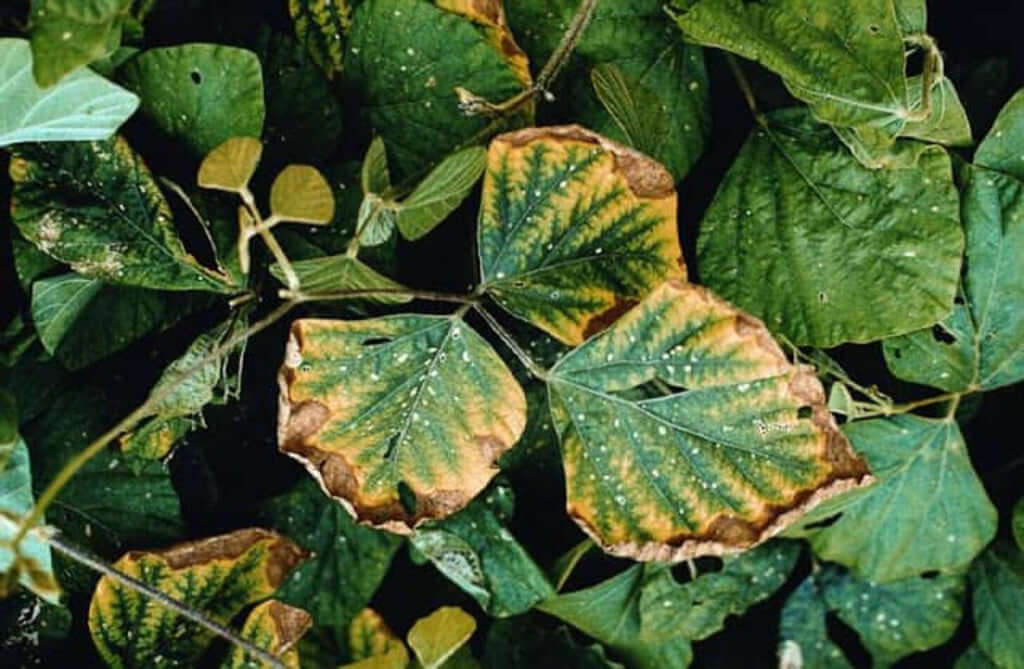

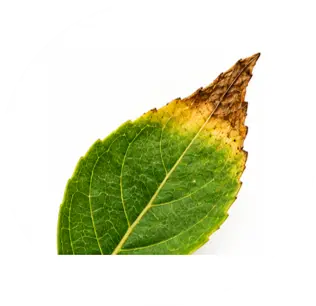
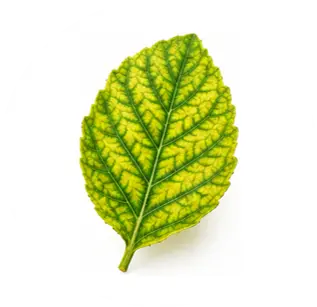
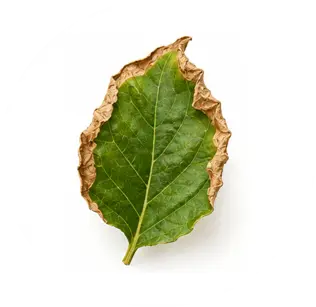
Potassium deficiency usually causes changes in color and drying of the leaf edges, especially on older leaves. The margins may begin to turn yellow and, in some plants, develop reddish, purple or bronze tones before starting to dry out. The damage can progress from the edges toward the inside of the leaf, causing the affected areas to become brown, dry and brittle. The plant may also show weaker growth and reduced development of flowers and fruits.
The main symptoms are:
• Yellowing of the leaf edges, especially on older leaves.
• Leaf edges that may develop reddish, purple or bronze tones.
• Edges that begin to dry out and develop a scorched appearance.
• Brown areas that progress from the margins toward the inside of the leaf.
• Dry and brittle leaves in the most affected areas.
• Weak growth or general loss of vigor.
• Less resistant stems or reduced stem development.
• Reduced development or quality of flowers and fruits.
• In severe cases, much of the foliage may eventually dry out.
Do not confuse with lack of water.
Lack of water can also cause dry or scorched edges, but it is normally accompanied by other signs of water stress, such as drooping leaves, loss of turgor and dry substrate. In contrast, when there is a potassium deficiency, the problem usually begins at the edges of the leaves, especially older leaves, with yellowing or color changes that may develop reddish or bronze tones. The affected areas then dry out and become brittle.
How to correct potassium deficiency
When these symptoms appear, supplying potassium helps correct the deficiency and allows the plant to regain vigor and continue developing correctly. A complete fertilizer provides the potassium the plant needs together with the other nutrients required to maintain balanced nutrition.
The main recommendations and treatments are:
• Complete fertilizer: is the recommended solution for correcting potassium deficiency and providing the plant with the nutrients needed to restore its vigor and promote balanced growth. Its potassium content helps improve the development of leaves, stems and fruits and prevent new symptoms related to the deficiency.
• Maintain adequate watering: proper irrigation management supports root activity and allows the plant to correctly absorb potassium and the other nutrients supplied. Avoiding both excess water and prolonged periods of drought helps maintain a more stable availability of nutrients.
• Remove severely affected leaves: leaves with very dry or damaged areas will not recover the affected tissue. Removing them allows the plant to concentrate its resources on developing new leaves and facilitates recovery.
Products for treating potassium deficiency

Other common problems
Discover the most common problems and select the one that interests you.




Explore more tools
Services
Contact
Legal
©2023 by ZeriMar Laboratoire. All rights reserved.