


Products and treatments to eliminate insects from plants
How to recognize, treat and eliminate the main plant pests
Plants can be affected by numerous insects and small organisms that feed on their sap and cause weakening, yellowing, deformities and loss of vigor. Although some pests are very small, they usually leave characteristic signs on leaves, stems and shoots that make them easier to recognize. Correctly identifying these signs makes it possible to act quickly and choose an effective treatment.
How to recognize insects and pests on plants?
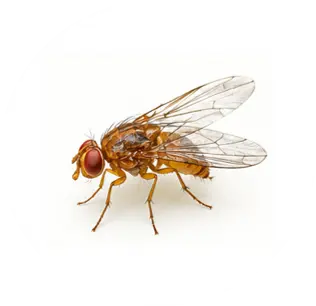
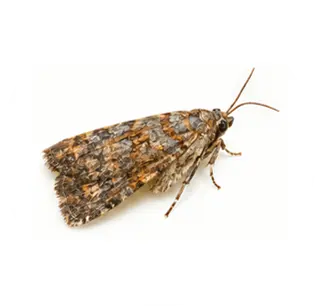
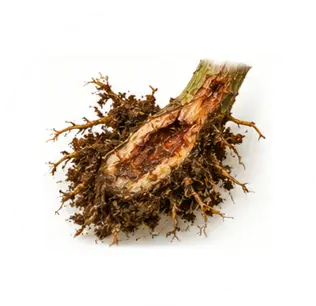
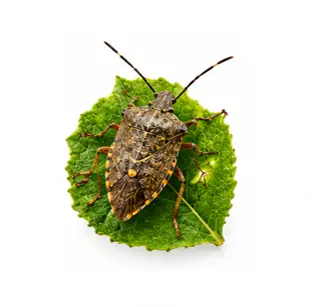
Pest insects and mites can cause very different types of damage depending on the species, the part of the plant they attack and the intensity of the infestation. Some pests feed directly on leaves, shoots, flowers or fruits, while others extract sap from the plant.
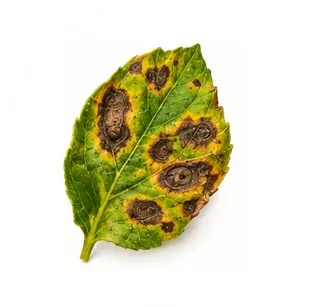
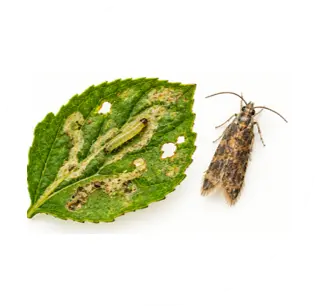
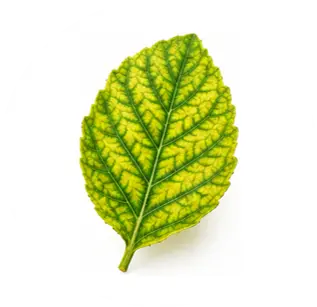
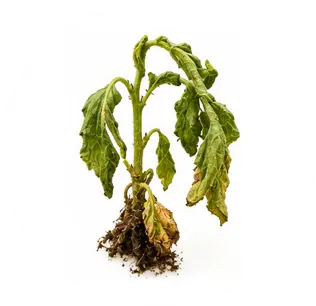
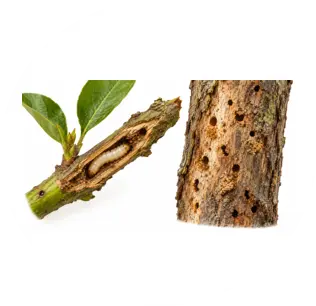
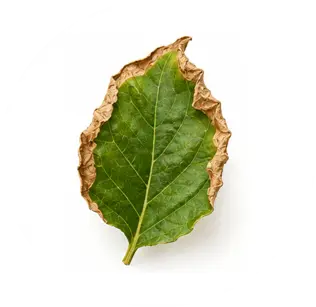
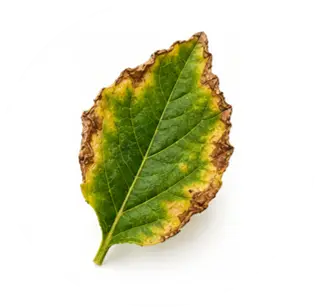
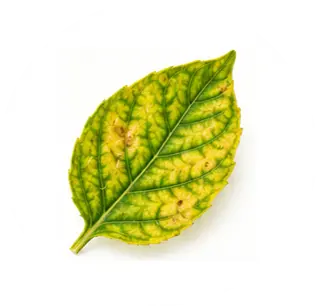
The first symptoms may appear as light-colored spots, yellowing, deformities, curled leaves, silvery areas, loss of vigor or drying of tissues. In more advanced infestations, leaf drop, general weakening, shoot deformation or even the death of parts of the plant may occur. In some cases, the damage is easier to observe than the pest itself. Indirect signs may also appear, such as honeydew, sooty mold, droppings, fine webs, holes, galleries or insects concentrated on the underside of leaves and on young shoots.
Therefore, to correctly identify the pest, it is important to observe both the damage and the presence and appearance of the organisms.
Main pests and their symptoms
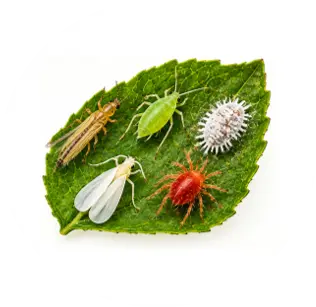
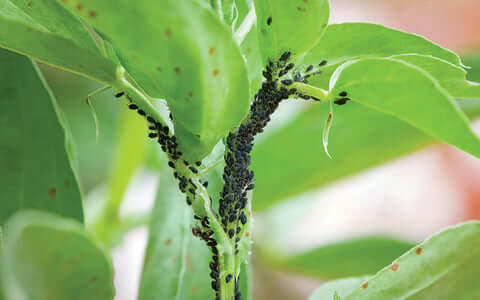
• Aphids: they are small, soft-bodied insects, usually green, although they can also be black, yellow, reddish or other colors. They are frequently found grouped on young shoots, stems and the underside of leaves. Their feeding causes curling and deformation of leaves, weakening of shoots and, in some cases, yellowing. They also produce a sticky substance called honeydew.
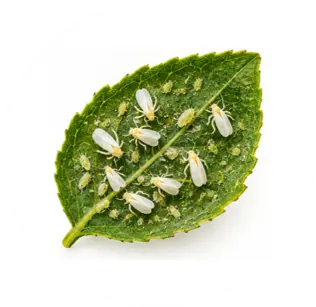
• Whiteflies: adults are small white insects resembling tiny moths. When the plant is moved or touched, several individuals usually fly up at the same time and flutter around it. Immature stages remain attached mainly to the underside of leaves. Their feeding can cause yellowing, loss of vigor and progressive weakening of the plant, as well as honeydew production.
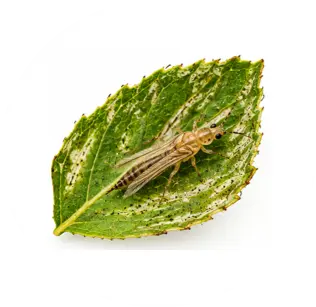
• Thrips: they are extremely small, elongated insects, usually yellowish, brown or black. They hide in flowers, shoots and protected areas of leaves and move quickly when disturbed. Their feeding leaves silvery or whitish areas, small deformities and numerous black spots of droppings.
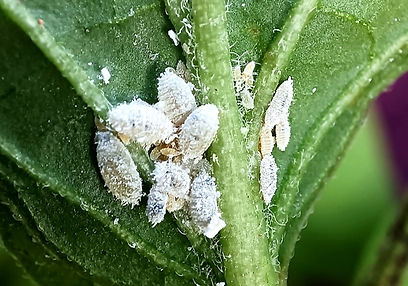
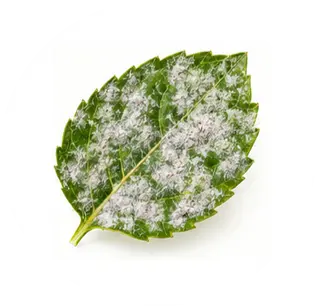
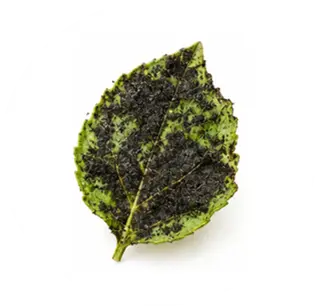
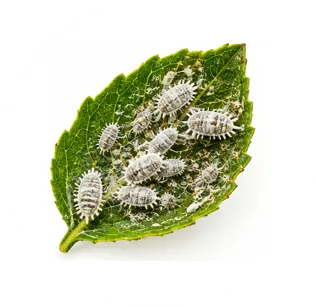
• Scale insects: they are usually seen as small groups of insects covered with a white, cottony or waxy layer. They concentrate on stems, veins, leaf axils and other protected areas. Some species produce abundant honeydew, causing the leaves to become sticky and subsequently favoring the appearance of sooty mold, a superficial black layer.
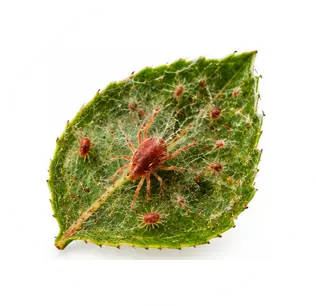
• Mites: they are much smaller than most insects and some require a magnifying glass to be observed properly. In many cases, the damage is easier to detect than the organism itself. They can cause numerous light-colored or yellowish spots, a dull or bronzed appearance of the leaves and, when populations are high, fine webs, especially on the underside and between leaves and stems.
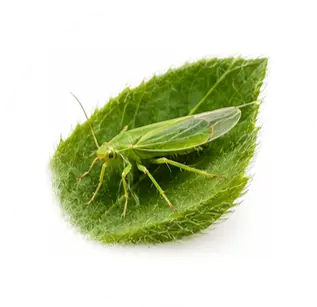
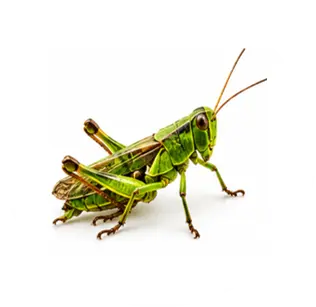
• Leafhoppers: they are small insects with elongated or wedge-shaped bodies, usually green, found on leaves. When disturbed, they can move quickly, jump or fly. Their feeding causes small light-colored spots or yellowish areas and can progressively weaken the leaves.
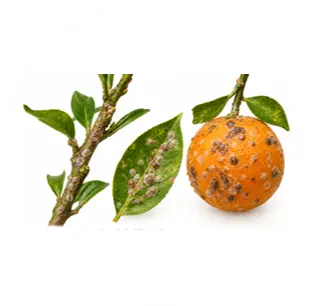
• Scales: they appear as small bumps or plates firmly attached to stems, branches and leaves. They can be brown, black, gray, white or other colors and, unlike many mobile insects, remain practically motionless on the plant. Heavy infestations can cause yellowing, weakening and leaf drop. Some species also produce honeydew.
A common sign: honeydew
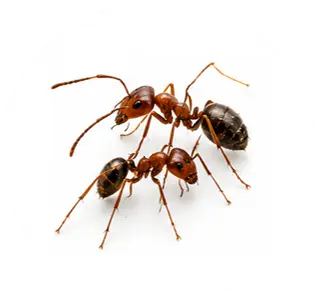
Several of these pests, especially aphids, whiteflies, scale insects and scales, can produce honeydew, a transparent and sticky substance that remains on leaves and stems. When honeydew appears together with ants, the ants may be using it as a food source. If a black layer of sooty mold also appears on the leaves, it is a common sign of the presence of honeydew-producing insects.
The presence of honeydew, ants or sooty mold helps detect certain pests, but it does not by itself identify which species is causing the problem. To identify it correctly, it is also necessary to observe the organism and the damage it is causing.
Treatments to eliminate insects and pests from plants
When insect populations are high, it is important to combine direct action against the pests present with measures that help keep their population under control. Insecticides can quickly reduce the individuals found on the plant, while sticky traps, potassium soap and neem oil help control the presence of new generations.
The main recommendations and treatments are:
• Inspect the underside of the leaves: many small insects, such as aphids, whiteflies, thrips and some mites, concentrate in this area. Checking it regularly makes it possible to detect the pest in time and apply the treatment directly where it is found.
• Yellow sticky traps: they are especially useful for reducing and controlling populations of flying insects such as whiteflies, thrips and other small insects. They attract adults and keep them trapped, helping to reduce the population and making it easier to monitor the pest.
• Potassium soap and neem oil: this is an effective option for acting directly on small, soft-bodied insects such as aphids, whiteflies, thrips and some scale insects. Their action is by contact, so it is important to thoroughly wet the insects, especially those found on the underside of the leaves. It is also a good option for periodic applications to clean the plant and for pest maintenance.
• Broad-spectrum contact insecticide: an effective option when insect populations are high and it is necessary to quickly reduce the population present on the plant. It acts directly on insects when it comes into contact with them and allows different types of pests present on leaves, stems and shoots to be treated.
Products for treating insects

Other common problems
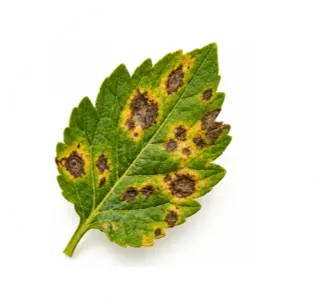
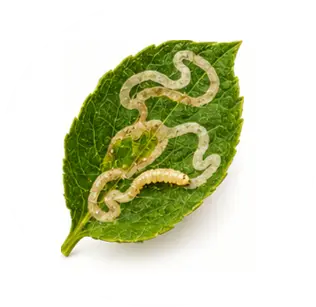
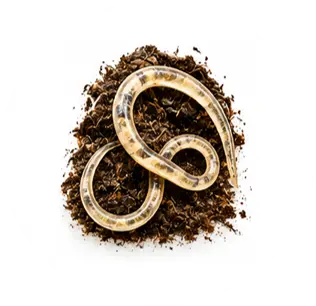
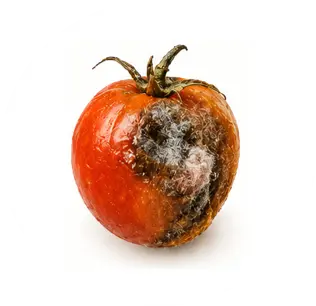
Discover the most common problems and select the one that interests you.



Explore more tools
Services
Contact
Legal
©2023 by ZeriMar Laboratoire. All rights reserved.