


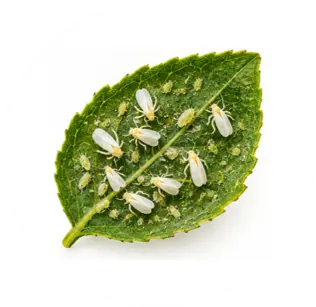
Whitefly on plants: how to recognize and control it
Symptoms, signs and recommended treatments for whitefly
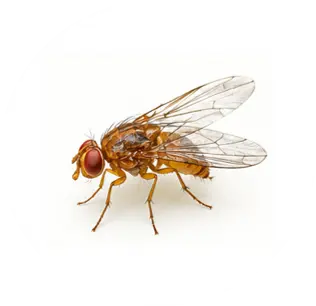
Whitefly is a small insect found mainly on the underside of leaves, where it feeds on the plant's sap. It can appear on many crops and ornamental plants, and its populations can increase rapidly when conditions are favorable. Both young stages and adults can weaken the plant by feeding on it, causing yellowing, loss of vigor, leaf deformation and weaker growth. In addition, the production of honeydew on the leaves favors the appearance of sooty mold, a dark coating that reduces the plant's photosynthetic surface. Recognizing its presence and the damage it causes makes it possible to identify it before the population increases and significantly affects the plant's development.
How to recognize whitefly?
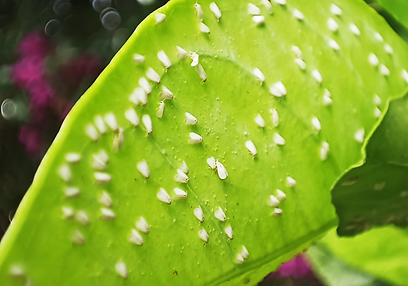
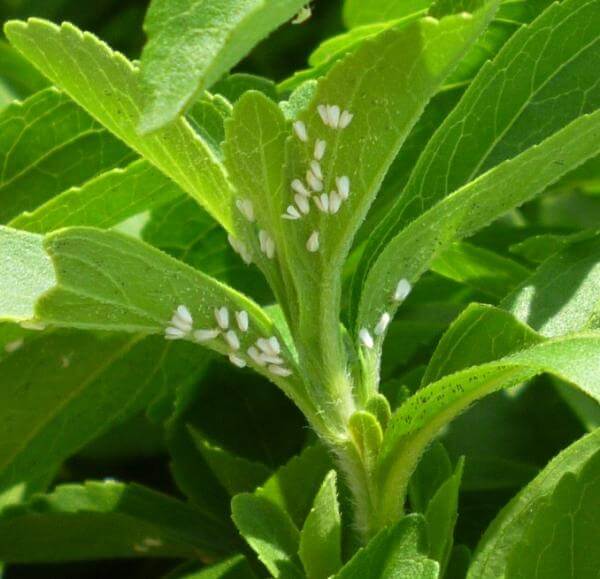
Whitefly is a small insect found mainly on the underside of leaves. Adults are white and look similar to tiny moths. When the plant is moved or touched, several adults often fly away at the same time, forming a small cloud of insects around the plant. Eggs, nymphs and small immobile individuals attached to the leaf can also be found on the underside.
The main symptoms are:
• Presence of small white insects on the underside of leaves.
• Adults that quickly fly away when the plant is moved or touched.
• Small immobile individuals attached to the underside of leaves.
• Eggs or groups of individuals on the underside of leaves.
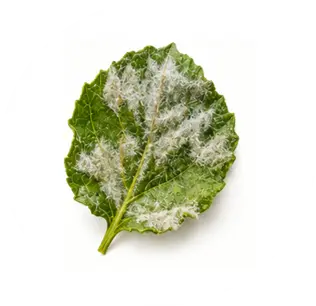
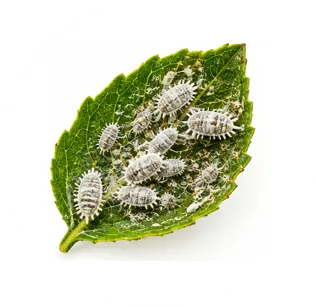
• Whitish accumulations or structures with a cottony or waxy appearance around colonies in some species.
• Small pale spots or discolored areas on the leaves caused by feeding punctures.
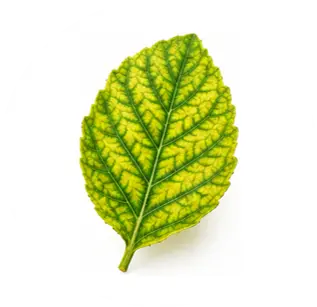
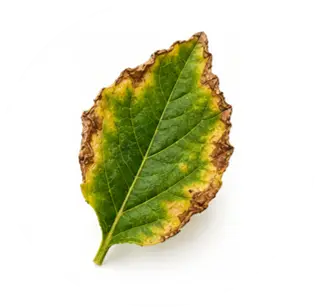
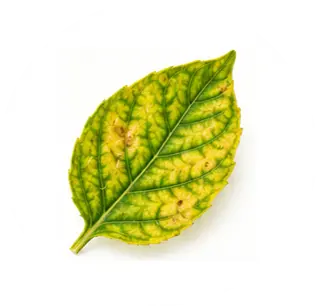
• Leaves that progressively turn yellow when the infestation is severe.
• Loss of vigor and general weakening of the plant.
• Presence of sticky honeydew on leaves and stems.
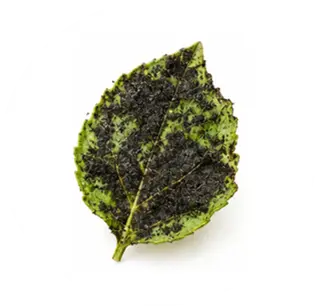
• Appearance of a black layer of sooty mold on areas covered with honeydew.
• Leaves that may become deformed, dry out or fall when the attack is severe.
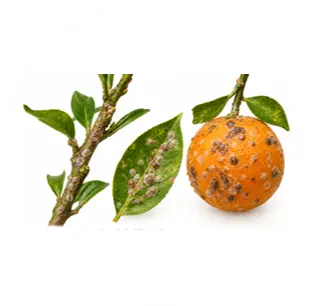
Do not confuse with scale insects
Scale insects can also appear attached to leaves, stems and branches, and some species have a white and cottony appearance, so they can be confused with whitefly. The main difference is that adult whiteflies have wings and fly away quickly when the plant is moved.
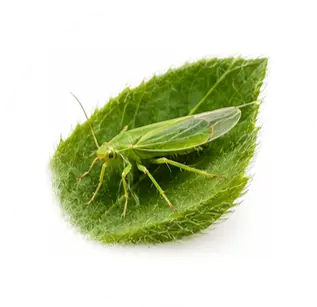
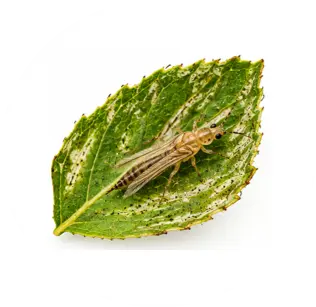
Do not confuse with leafhoppers
Leafhoppers are generally more elongated and can move quickly, jump or fly when disturbed. Unlike whiteflies, they do not usually form groups of immobile individuals, eggs or waxy and cottony structures attached to the underside of leaves.
The presence of a cloud of small white insects that fly away when the plant is touched, together with immobile individuals grouped on the underside of the leaves, is a very characteristic sign of whitefly.
Recommended treatments for whitefly
Whitefly can rapidly increase its population when conditions are favorable, as adults move between plants while nymphs remain attached to the underside of leaves and feed on the sap. For this reason, it is important to act on the different stages of the pest and combine measures that reduce adults, eliminate individuals present on the plant and prevent the population from continuing to increase.
The main recommendations and treatments are:
• Inspect the underside of the leaves: nymphs and adults are concentrated especially on the lower surface of the leaves. Inspecting this area makes it possible to detect the pest early and locate areas with the highest presence.
• Remove heavily affected leaves: removing leaves with a high number of whiteflies helps reduce part of the population and limits its spread to other areas of the plant.
• Yellow sticky traps: these allow flying adults to be captured and their population around the plant to be reduced. They are especially useful as a complement to treatment and for controlling the appearance of new generations.
• Potassium soap and neem oil: these help control individuals present on the leaves and complement the action of the traps. Potassium soap acts by contact on exposed insects and helps clean accumulated honeydew, while neem oil complements the treatment and helps reduce feeding and pest development.
• Broad-spectrum contact insecticide: this is the appropriate solution when there is a high presence of whitefly and the population present on the plant needs to be reduced quickly. It acts directly on insects exposed to the treatment and helps stop damage and pest spread. It is important to properly wet the areas where whitefly is concentrated, especially the underside of the leaves.
Products for treating whiteflies

Other common problems
Discover the most common problems and select the one that interests you.




Explore more tools
Services
Contact
Legal
©2023 by ZeriMar Laboratoire. All rights reserved.