

Berries
How to recognize and combat strawberry weevils in berries
Strawberry Weevil
Insect
Type:
Risk to the plant:
HIGH
Otiorhynchus Sulcatus
Pathogen:
Gorgojos


WHO CAUSES IT?
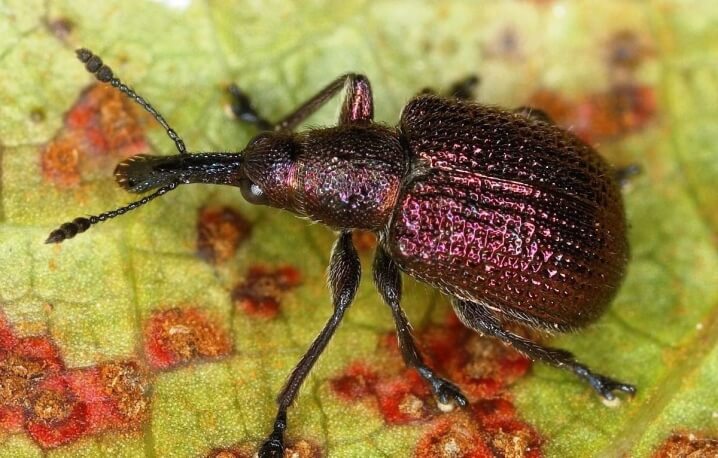
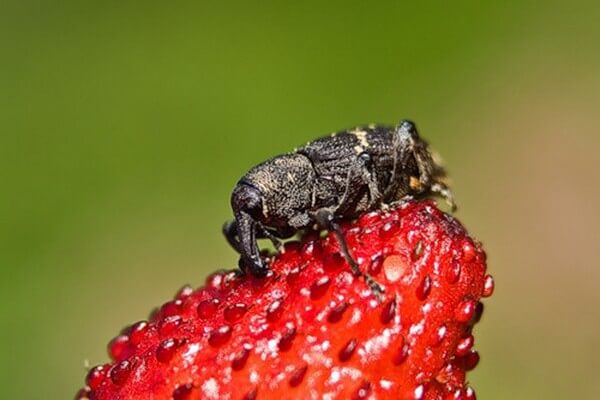
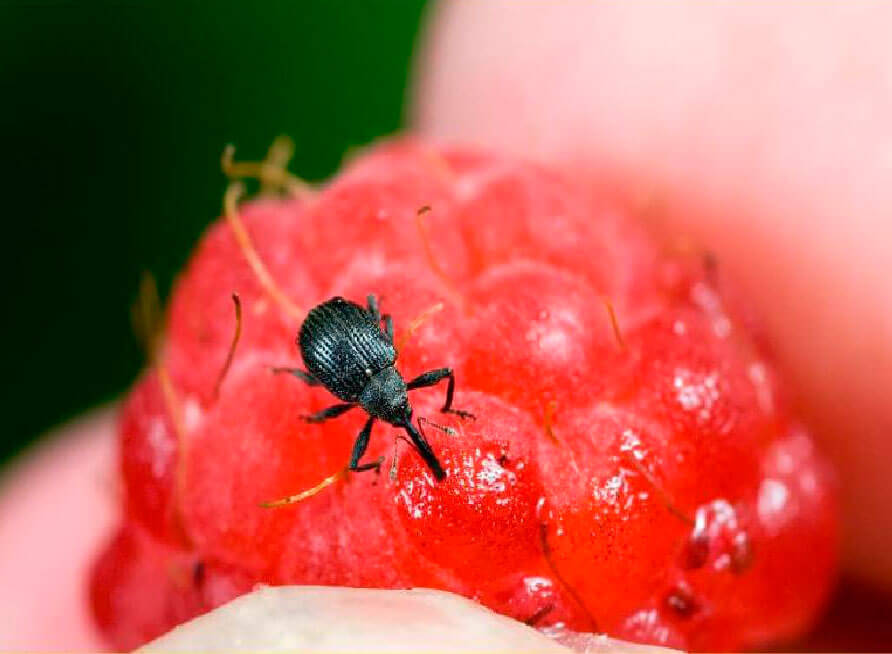
Otiorhynchus sulcatus, commonly known as the strawberry weevil, is a polyphagous insect that affects a wide variety of plants, especially berries. This beetle is black in color with a length of approximately 8-10 mm. Adults emerge from the ground during spring and summer. Females are parthenogenetic, meaning they can reproduce without the need for males. They lay their eggs in the soil near the base of plants. The larvae hatch and begin feeding on the roots and collars of the plants, causing severe damage. They go through several larval stages before pupating in the soil. The complete cycle from egg to adult can vary depending on environmental conditions, but typically takes about a year. Adults feed on leaves, creating characteristic notches on the edges. This damage, although visible, is less serious than that caused by the larvae to the roots.
.png)
SYMPTOMS
In berries, the strawberry weevil causes a disease that can seriously compromise the health and productivity of the plants. Damage is mainly caused by larvae that feed on the roots, interfering with the absorption of water and nutrients, which can lead to plant death in severe infestations.
- Discoloration and wilting of leaves.
- Reduced growth and general weakness of plants.
- Visible damage to the roots, with chewed and necrotic areas.
- Irregular notches on the edges of leaves caused by adults.
- Loss of vigor and productivity in affected plants.
- Increased susceptibility to other diseases due to stress in plants.
- Death of young plants in cases of severe infestations.
- Decrease in the quality and quantity of the fruits produced.


DEVELOPMENT CONDITIONS
Temperature:
15°C - 25°C
Humidity:
70% - 90%

HOW IS IT SPREAD?
Soil, direct contact with infested plants, contaminated tools, movement of infested plants and substrates

HOW TO ELIMINATE IT?
Home treatments
There are no home treatments
Natural allies
Chemical treatments
There are no treatments for this disease. Treatments are directed at the insect vectors that transmit it. See insect treatments.
RECOMMENDED PRODUCTS TO ELIMINATE THE PEST
Sponsored link
Sponsored link
Sponsored link


Sponsored link
Sponsored link
Sponsored link
Sponsored link


Sponsored link
Sponsored link
Effective against all types of fungi

Sponsored link
Sponsored link


Sponsored link
Sponsored link

Sponsored link
Sponsored link


Sponsored link

REPELLENT PLANTS

RECOMMENDATIONS
OTHER PESTS THAT MAY INTEREST YOU


DID YOU LIKE IT?
Now you can always have it on your mobile, without ads and totally FREE. TRY idMicrobe NOW!


