

Calabaza
How to recognize and combat mildew on squash
Mildew
Oomycete
Type:
Risk to the plant:
HIGH
Pseudoperonospora Cubensis
Pathogen:
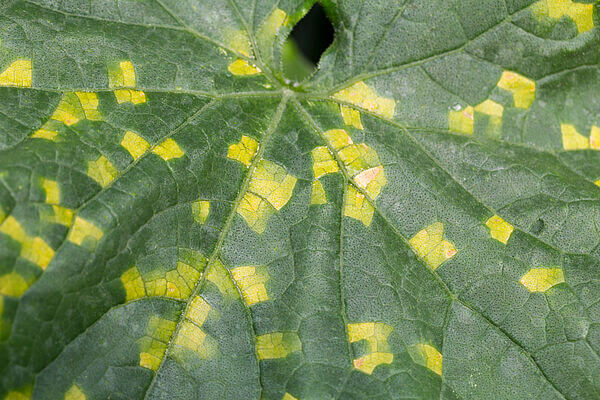
Mildiu


WHO CAUSES IT?
Pseudoperonospora cubensis is an oomycete that causes the disease known as downy mildew in pumpkin plants. This pathogen has a complex life cycle that involves both sexual and asexual stages. During the asexual phase, it produces sporangiospores that are released into the environment and can easily spread through irrigation water, wind or direct contact between plants. Under favorable conditions of humidity and temperature, these spores germinate and penetrate the plant tissues, leading to infection. In the sexual phase, Pseudoperonospora cubensis produces oospores, which are resistance structures capable of surviving in the soil for long periods of time, thus contributing to the persistence of the pathogen in the environment.
.png)
SYMPTOMS
Downy mildew infection in pumpkin plants is characterized by the appearance of a number of general symptoms, including:
- Yellowish Taches on the leaves.
- Appearance of a white or grayish powder on the underside of the leaves.
- Withering and curling of the leaves.
- Premature defoliation of the plant.
- Reduction in the quality and quantity of the fruits.
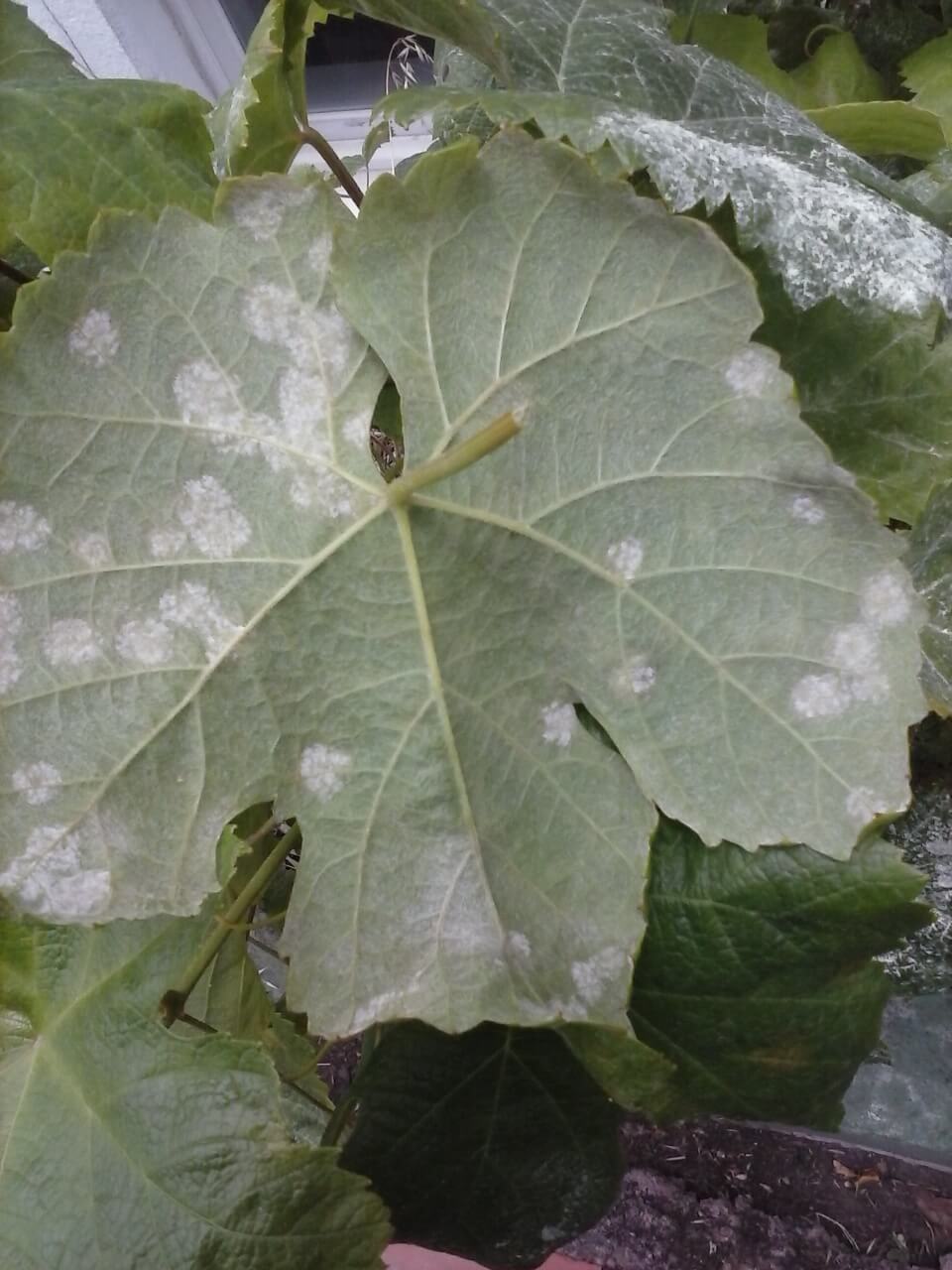
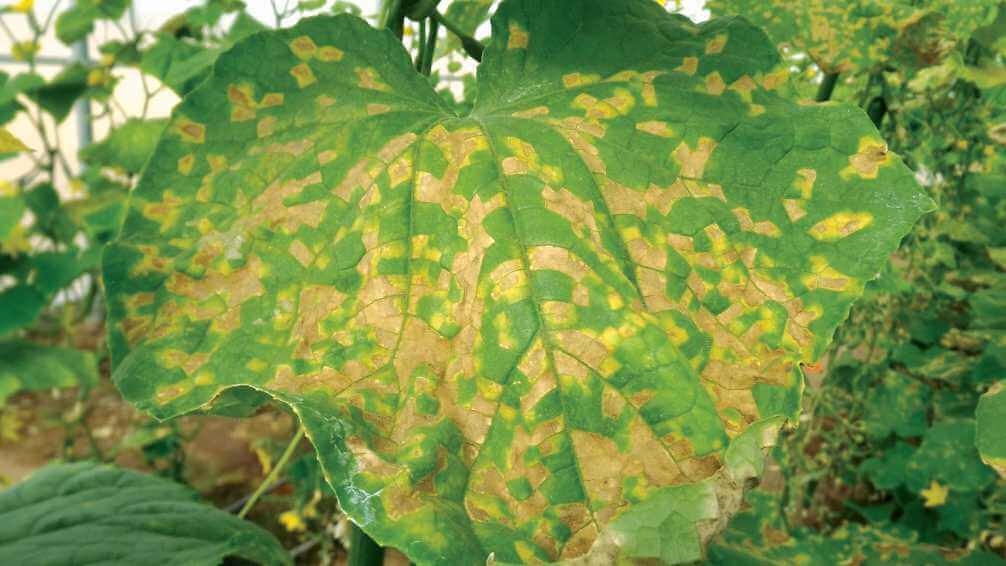



DEVELOPMENT CONDITIONS
Temperature:
18°C - 25°C
Humidity:
80% - 95%

HOW IS IT SPREAD?
Irrigation water, wind, direct contact

HOW TO ELIMINATE IT?
Home treatments
There are no home treatments
Natural allies
Chemical treatments
There are no treatments for this disease. Treatments are directed at the insect vectors that transmit it. See insect treatments.
RECOMMENDED PRODUCTS TO ELIMINATE THE PEST
Sponsored link

Sponsored link
Sponsored link


Sponsored link
Sponsored link
Sponsored link
Sponsored link


Sponsored link
Sponsored link
Effective against all types of fungi

Sponsored link
Sponsored link


Sponsored link
Sponsored link

Sponsored link
Sponsored link


Sponsored link

REPELLENT PLANTS

RECOMMENDATIONS
OTHER PESTS THAT MAY INTEREST YOU


DID YOU LIKE IT?
Now you can always have it on your mobile, without ads and totally FREE. TRY idMicrobe NOW!


